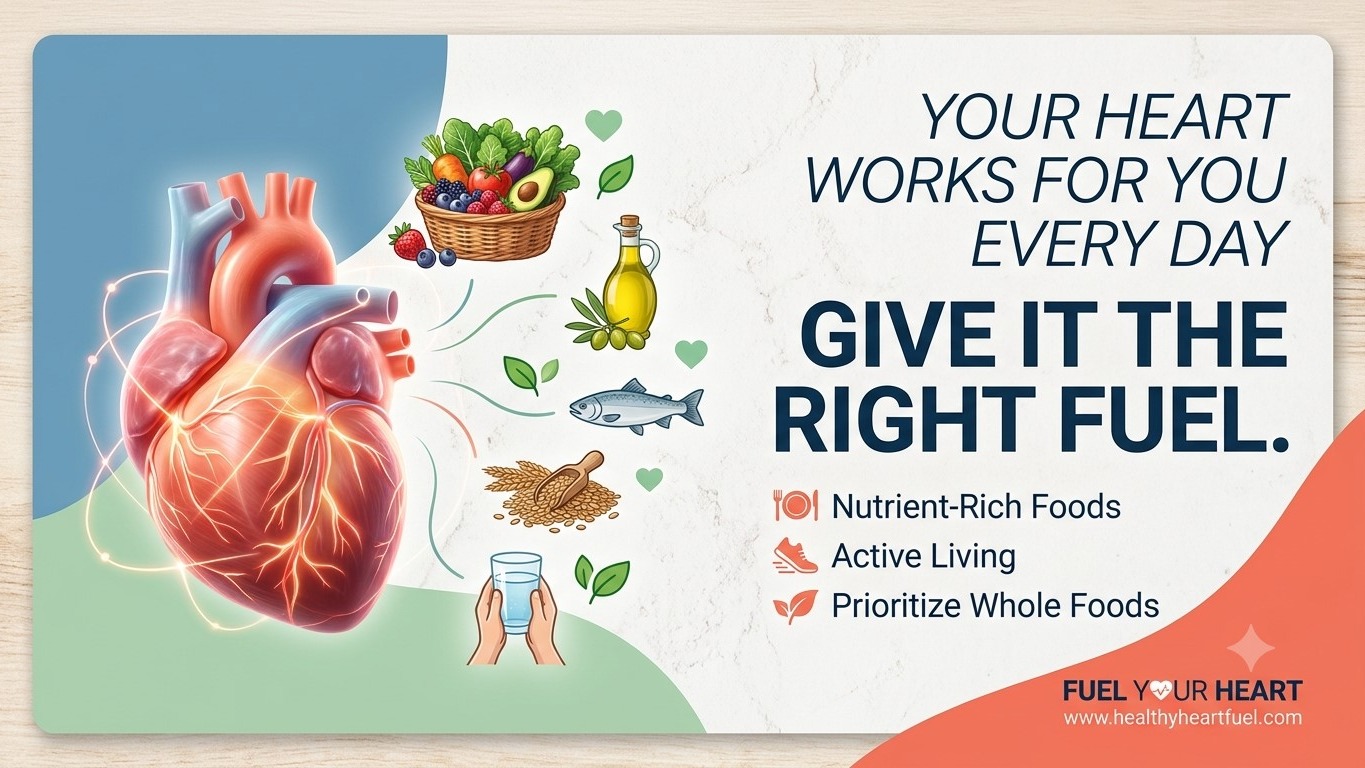
Your heart works for you every day - give it the right fuel.
Your heart beats around 100,000 times a day, and what you eat affects how well it does that job. No single food can protect your heart on its own, but a diet built around these ten can help support healthy cholesterol, blood pressure, and blood vessels. They are easy to find and easy to add to everyday meals. A healthy heart is essential for a healthy and active life. The food we eat every day can play an important role in supporting heart health. Choosing nutritious foods can help provide essential fiber, healthy fats, vitamins, minerals, and antioxidants.
Oats: Oats contain beta-glucan, a soluble fiber that helps lower LDL ("bad") cholesterol. A bowl of oatmeal or oat porridge is a simple way to start the day.
Leafy Greens: Spinach, kale, and fenugreek leaves are rich in vitamin K, nitrates, and fiber. They support healthy arteries and blood pressure.
Berries: Blueberries, strawberries, and jamun are full of antioxidants called anthocyanins, which are linked to better heart health. Add them to breakfast or eat them as a snack.
Fatty Fish: Salmon, sardines, mackerel, and hilsa provide omega-3 fatty acids, which support healthy triglyceride levels. Aim for two servings a week.
Nuts: Almonds and walnuts offer healthy fats, fiber, and plant compounds. A small handful a day is enough, since nuts are calorie-dense.
Legumes: Lentils, chickpeas, kidney beans, and other pulses are high in fiber and plant protein. They help you feel full and are a good replacement for fatty meats.
Flaxseeds and Chia Seeds: Both are good plant sources of omega-3 and fiber. Sprinkle ground flaxseed on yogurt, salads, or rotis.
Garlic: Garlic has long been used in traditional cooking and medicine. Research suggests it may modestly help lower blood pressure, so use it generously in your meals.
Olive Oil and Other Healthy Oils: Swap butter and ghee-heavy cooking for olive oil, mustard oil, or other unsaturated oils where you can. Use them in moderation.
Turmeric and Black Pepper: Turmeric contains curcumin, and black pepper's piperine helps your body absorb it. Add both to curries, soups, and warm milk for flavor and a health boost. (See our full guide to black pepper.)
What Should You Limit?
For better heart health, it is also useful to limit:
Excess salt/sodium
Foods high in saturated and trans fats
Excess added sugar
Highly processed foods
Excessive portions and frequent deep-fried foods
Simple Heart-Healthy Plate
Fill half your plate with vegetables, a quarter with whole grains, and a quarter with protein such as pulses, fish, or eggs. Add a small portion of healthy fats.
Remember
No single food can protect your heart on its own. A balanced diet, regular physical activity, healthy weight, adequate sleep, avoiding tobacco, and appropriate health check-ups all contribute to cardiovascular health.
Final Thoughts
A healthy heart is built one meal at a time. You don't need to change everything overnight. Start by adding two or three of these foods this week and see how they fit into your routine.
Always remember one thing “Your heart never takes a break—give it healthy fuel every day.”
Related Articles
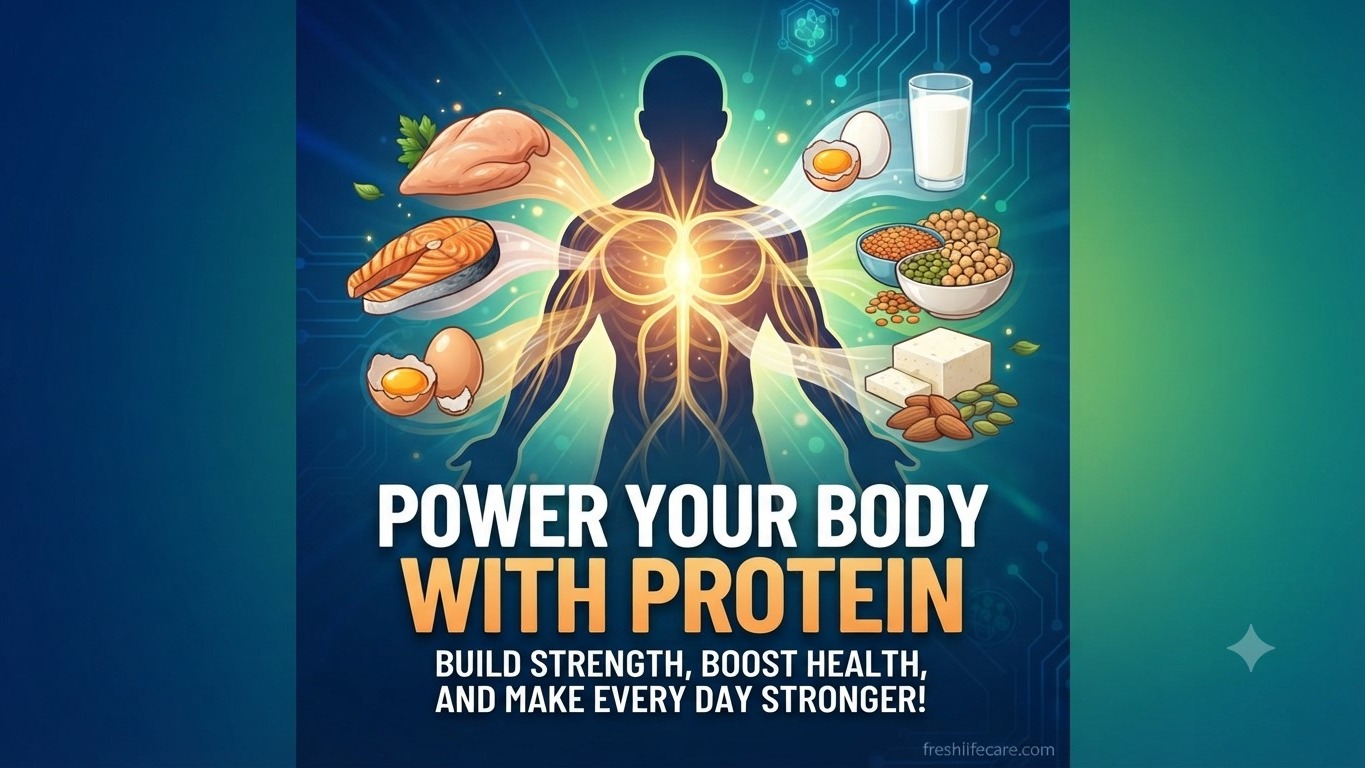
Power your body with protein—build strength, boost health, and make every day stronger!
Discover why protein is essential for muscle repair, immunity, and strength. Learn the best food sources, daily intake guidelines, and how to fuel your body naturally.
Read More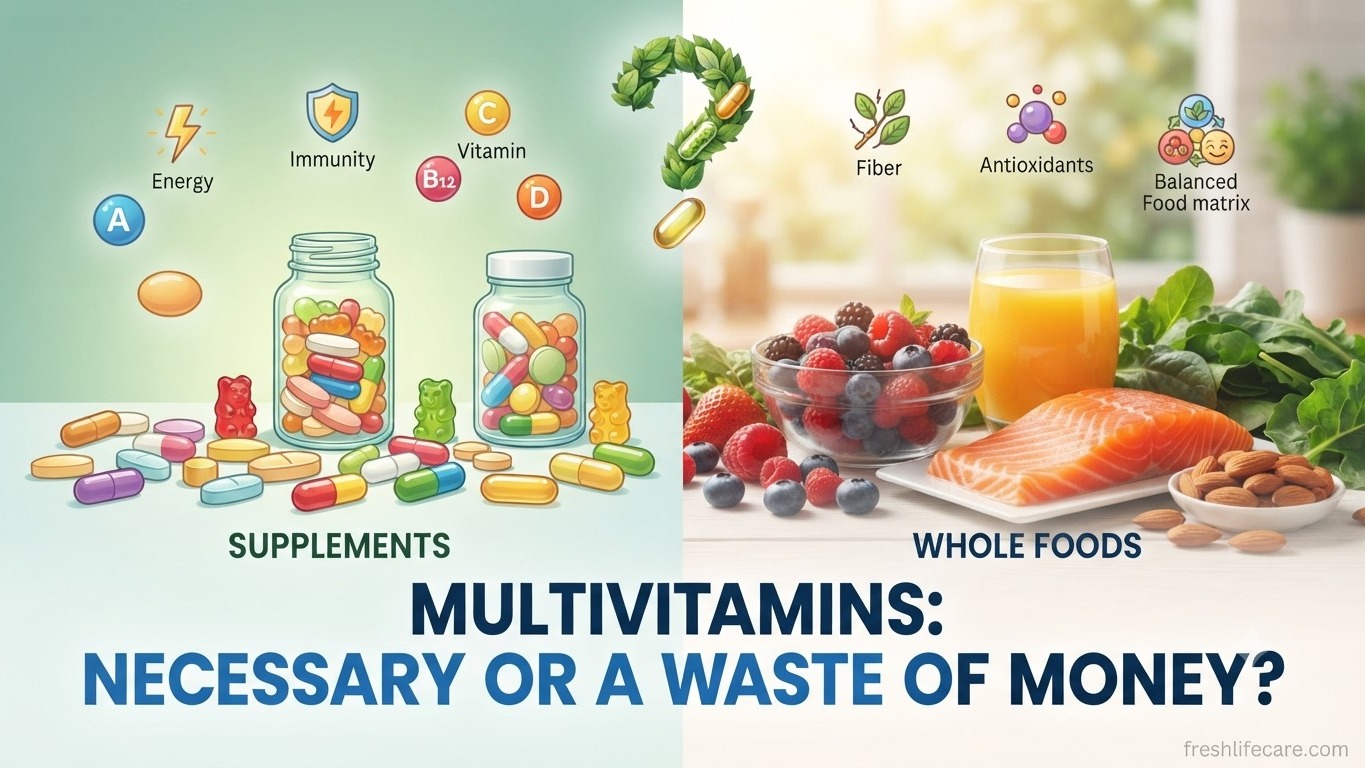
Multivitamins: Necessary or a Waste of Money?
Discover whether multivitamins are truly essential or an avoidable expense. Learn the benefits, risks, and how to choose the right path for your health.
Read More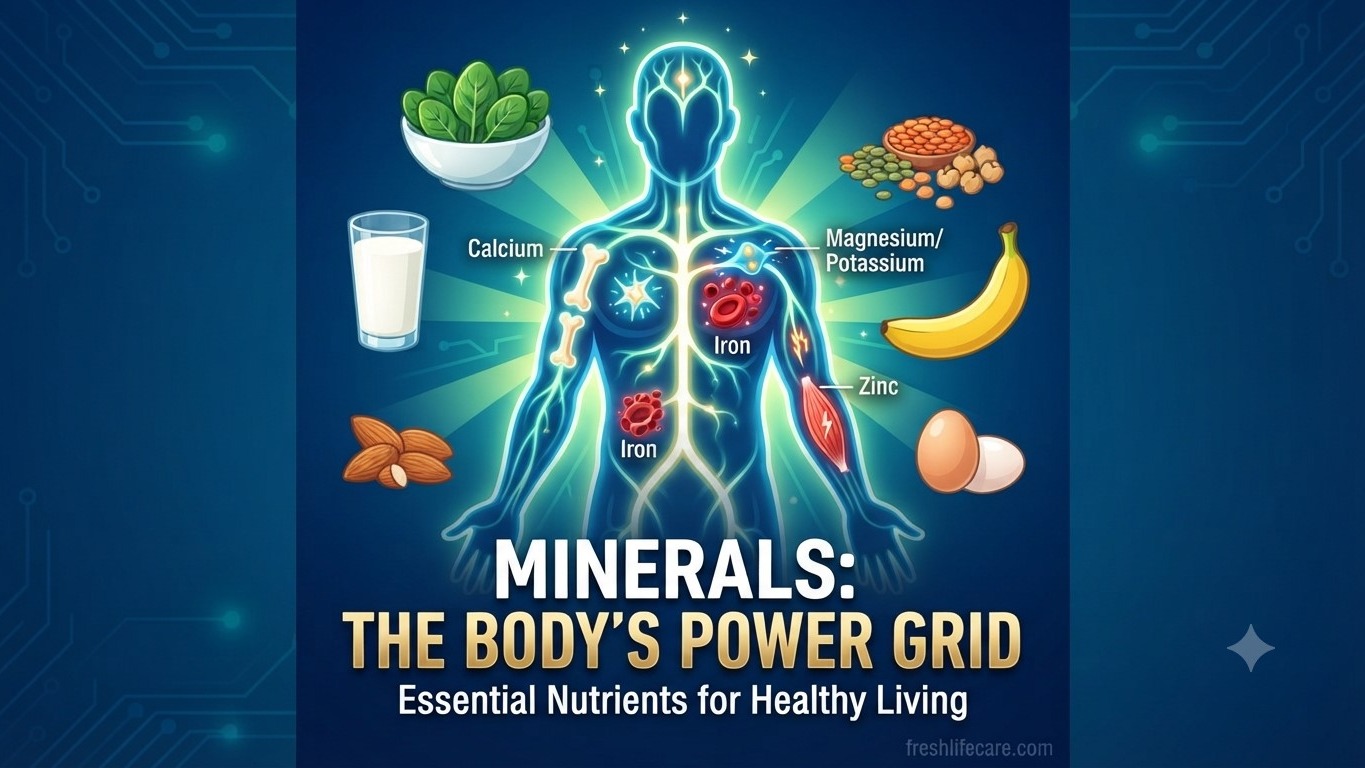
Minerals: you can't see them, but without them, your body's whole power grid goes dark.
Discover why your body needs essential minerals like calcium, iron, and magnesium. Learn top food sources and simple tips to meet your daily intake naturally.
Read More