
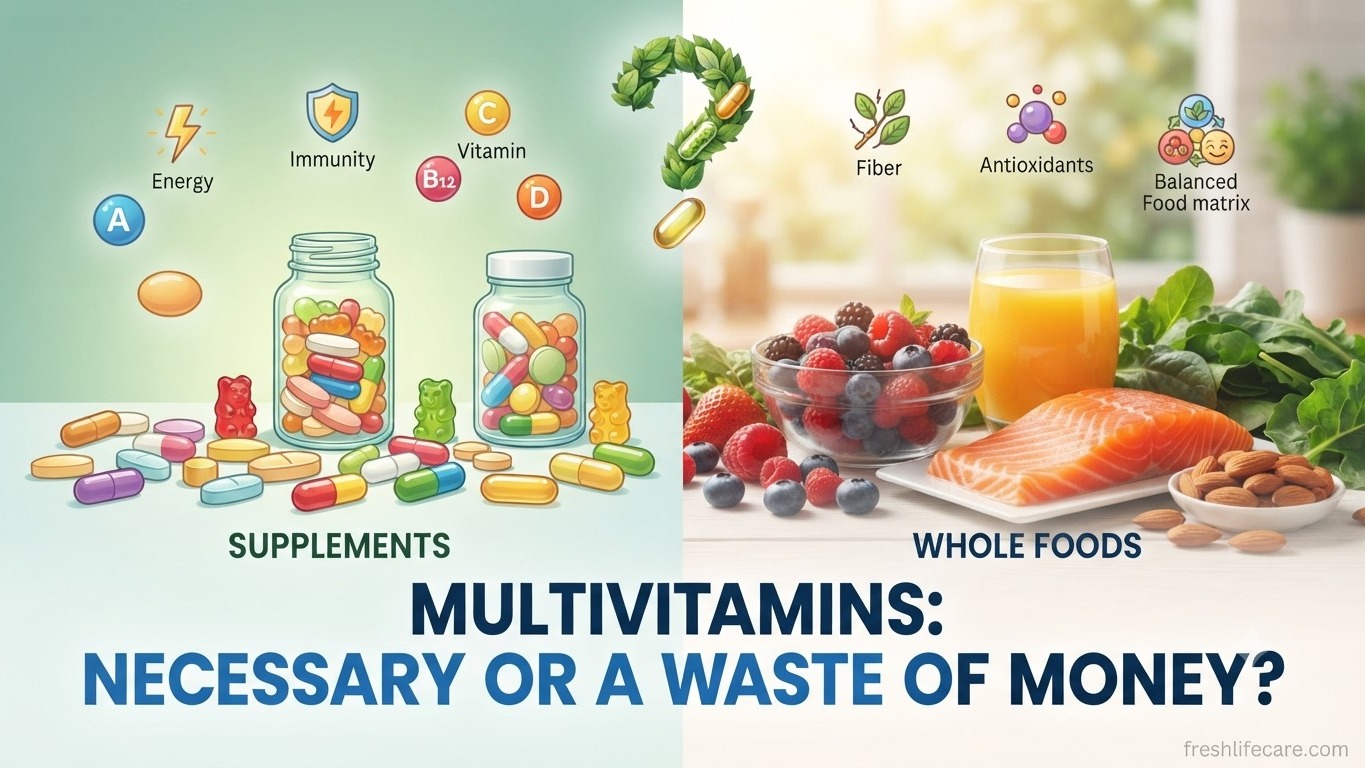
Multivitamins: Necessary or a Waste of Money?
In today's busy lifestyle, many people rely on multivitamins to maintain their health, boost energy, and support immunity. From vitamin tablets to mineral capsules, the supplement market offers countless products that promise better health. But do we really need these supplements every day, or are we spending money on something our bodies may not need? While multivitamins can help people who have nutritional deficiencies or specific dietary needs, they cannot replace a balanced diet or a healthy lifestyle. Understanding when supplements are beneficial and when they are unnecessary can help us make smarter decisions for our health and our wallets. Let's discover the truth behind multivitamins and find out whether they are truly necessary or simply an avoidable expense.
What Are Multivitamins?
Multivitamins are dietary supplements that contain a combination of vitamins and sometimes minerals. They are designed to help people meet their nutritional needs when their regular diet does not provide enough of certain nutrients.
Common ingredients include:
Vitamin A: Supports vision and immune function.
Vitamin B12: Helps maintain healthy nerves and red blood cells.
Vitamin C: Supports collagen production and helps the body absorb iron from plant foods.
Vitamin D: Helps the body absorb calcium and maintain healthy bones.
Vitamin E: Helps protect cells from oxidative damage.
Vitamin K: Plays a role in blood clotting and bone health.
Minerals: Depending on the product, these may include iron, zinc, calcium, magnesium, and iodine.
Benefits of Multivitamins
When used appropriately, multivitamins may:
Help fill nutritional gaps in the diet.
Support normal immune function when nutrient intake is inadequate.
Help prevent or correct certain vitamin and mineral deficiencies.
Provide a convenient option for people who struggle to meet their nutritional needs through food alone.
When Can Multivitamins Become a Waste of Money?
Multivitamins may be an unnecessary expense when:
Your diet already provides sufficient nutrients.
You buy supplements based on advertising rather than an identified need.
You expect them to provide instant energy or cure everyday tiredness.
You take several supplements containing the same vitamins and minerals.
You purchase expensive products that offer no meaningful advantage for your needs.
Can Taking Too Many Vitamins Be Harmful?
Yes. Some vitamins and minerals can cause harm when taken in excessive amounts.
Vitamin A: Excessive amounts can be toxic and are particularly concerning during pregnancy.
Vitamin D: Too much can cause high blood calcium levels and kidney problems.
Iron: Unnecessary iron supplementation can cause side effects and may be dangerous in excess.
Vitamin B6: High doses taken over time can cause nerve damage.
Vitamin K: Can interfere with warfarin, a blood-thinning medication.
What's the Difference between Multivitamins vs Natural Foods
Multivitamins
Provide selected vitamins and minerals
Convenient for filling specific nutritional gaps
May be useful for diagnosed deficiencies or particular needs
Can cause harm when taken in excessive amounts
Natural Foods
Provide nutrients along with fibre and other beneficial compounds
Support overall nutrition and a balanced diet
Are the preferred foundation of everyday nutrition
Usually provide nutrients in a balanced food matrix
How Can You Decide Whether You Need a Multivitamin?
Before spending money on supplements, consider these steps:
1. Review your diet: Are you eating a variety of nutritious foods?
2. Identify your needs: Your age, diet, pregnancy status, and health conditions can influence your requirements.
3. Seek medical advice when needed: Persistent fatigue or other symptoms may require an assessment rather than a multivitamin alone.
4. Choose carefully: If a supplement is recommended, select one appropriate for your needs and avoid unnecessary high-dose products.
Conclusion
Multivitamins are neither a miracle solution nor always a waste of money. They can be valuable for people who have specific nutritional needs, but they may offer little additional benefit to people who already eat a balanced diet and get enough nutrients. The smartest approach is to focus on nutritious food first and use supplements when there is a clear reason to do so.
Related Articles
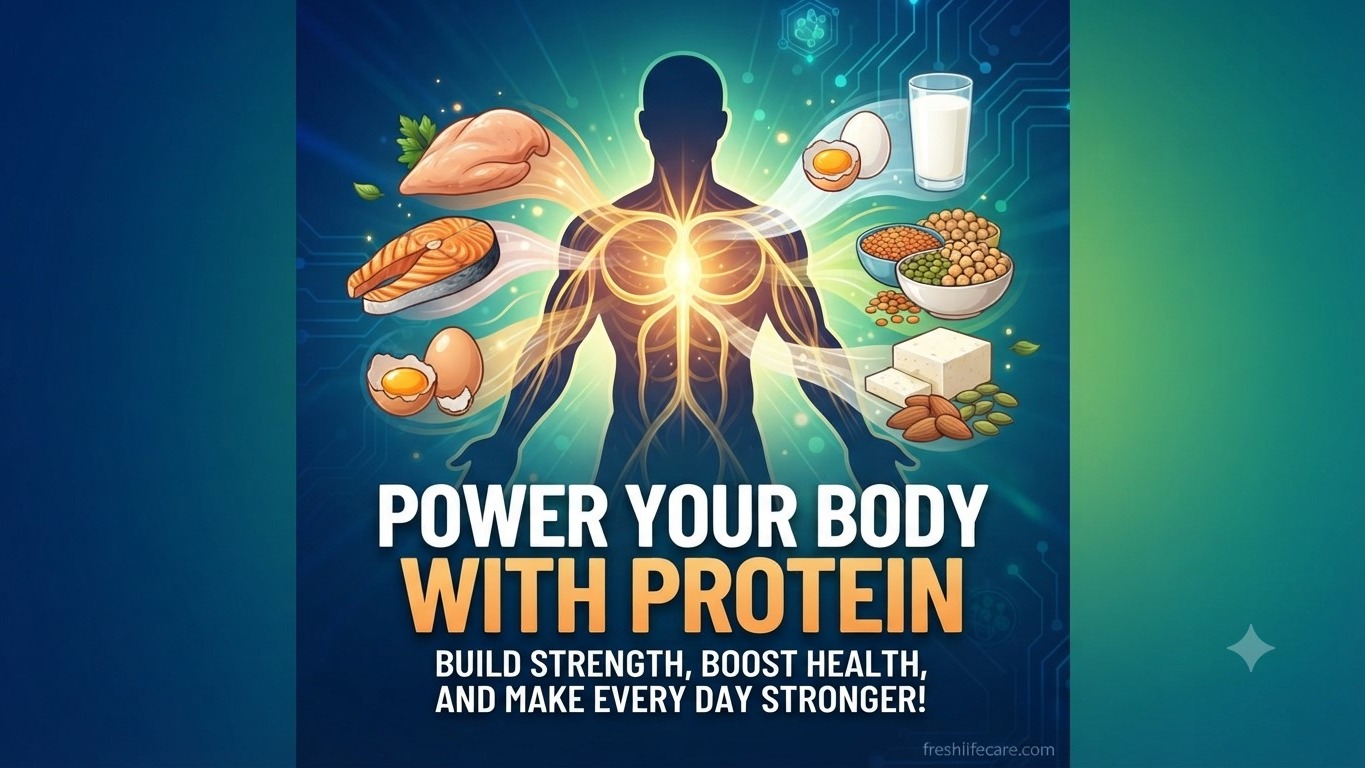
Power your body with protein—build strength, boost health, and make every day stronger!
Discover why protein is essential for muscle repair, immunity, and strength. Learn the best food sources, daily intake guidelines, and how to fuel your body naturally.
Read More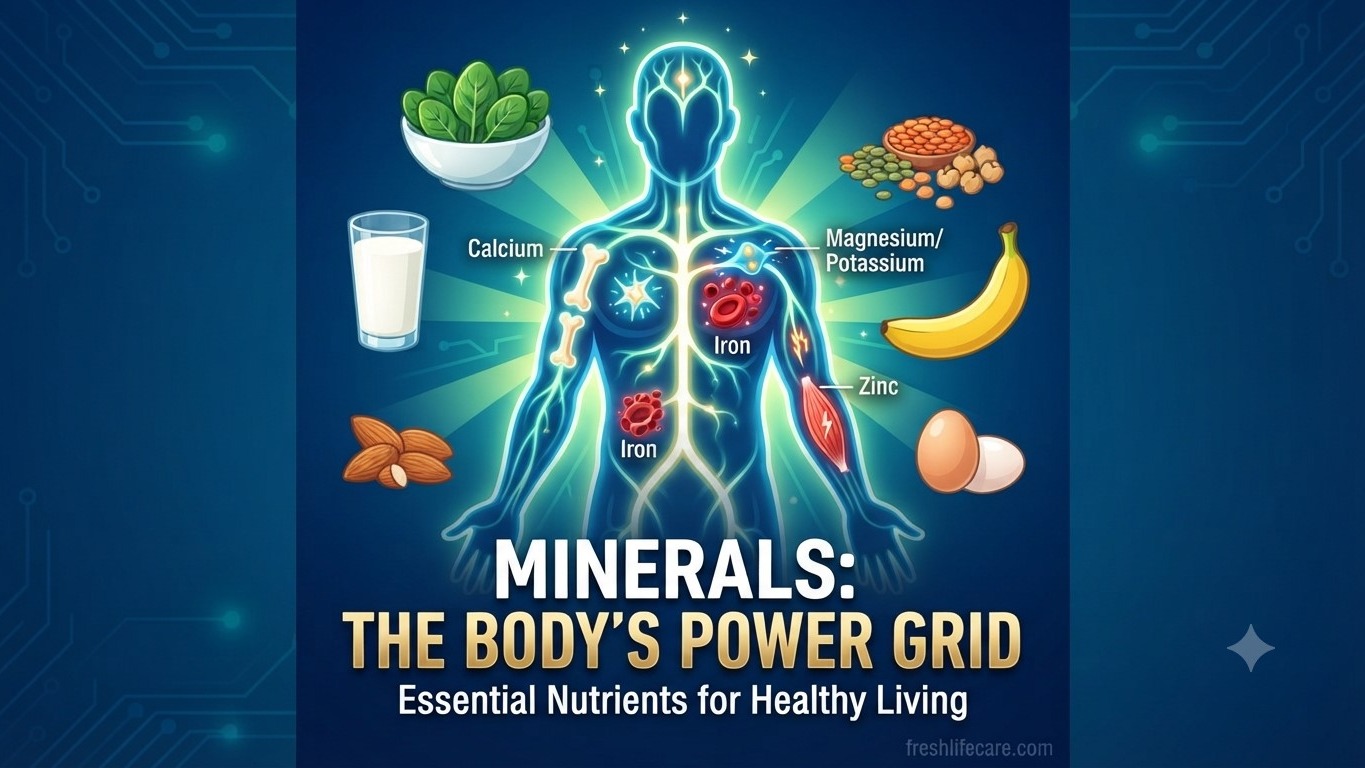
Minerals: you can't see them, but without them, your body's whole power grid goes dark.
Discover why your body needs essential minerals like calcium, iron, and magnesium. Learn top food sources and simple tips to meet your daily intake naturally.
Read More
Winter Is Coming-Prepare Today to Protect Your Health Tomorrow
Prepare for cold weather before winter arrives! Discover 10 essential precautions, from warm clothing and hydration to immunity-boosting nutrition and skincare.
Read More