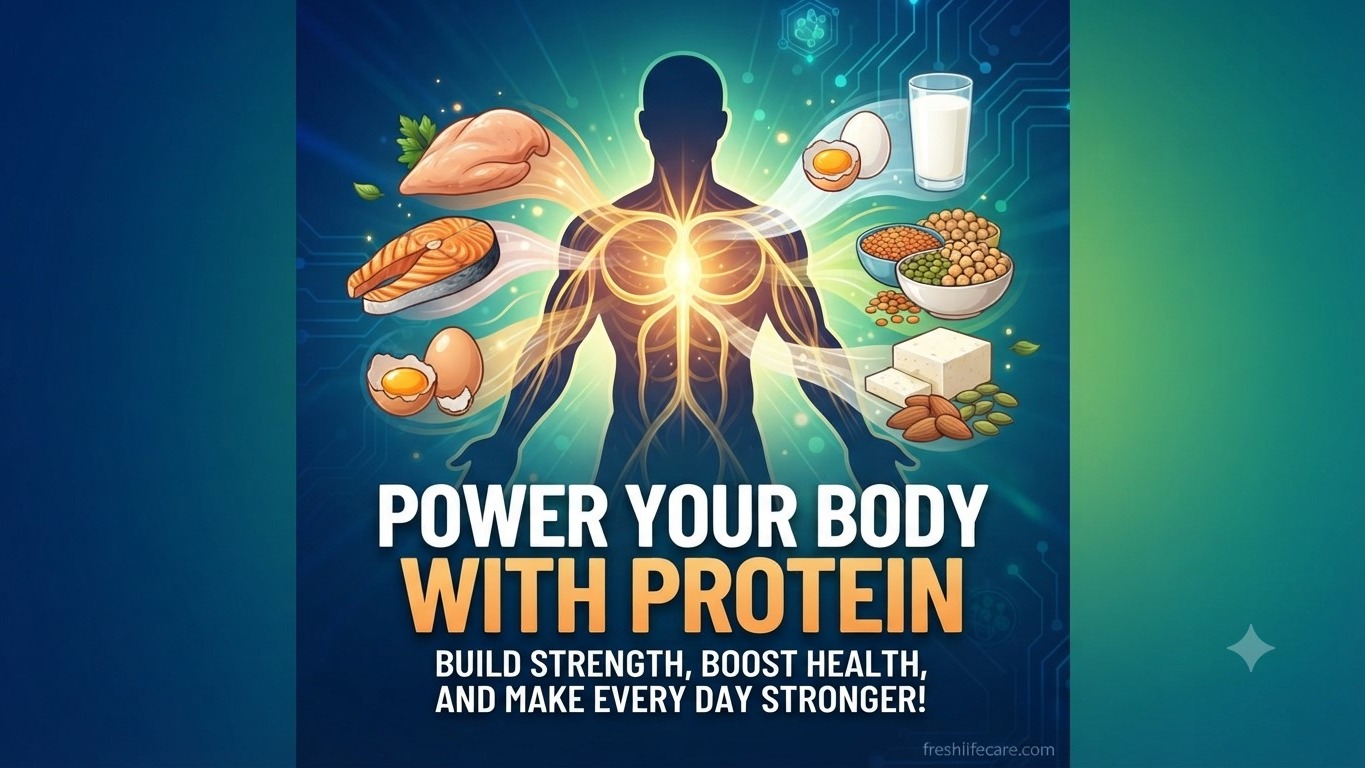
Power your body with protein—build strength, boost health, and make every day stronger!
Have you ever wondered why protein is so important for our body? Protein is an essential nutrient that helps us grow, build strong muscles, repair damaged tissues, and maintain a healthy immune system. From children to older adults, everyone needs protein to stay healthy and active. However, many people do not know how much protein they need or which foods are the best sources. The good news is that protein is available in many everyday foods, such as dal, eggs, milk, paneer, fish, chicken, beans, nuts, and seeds. In this article, we will explore why protein is essential for our health, how much we need daily, and how we can include protein-rich foods in our regular diet.
Proteins are made up of smaller units called amino acids. Your body can make some amino acids on its own, but there are 9 "essential" amino acids that you must get from your diet. Here is why getting enough protein matters.
Why protein is important
1. Builds and repairs tissue
Protein is made of amino acids, which your body uses to build muscle, skin, hair, nails, bones, and organs.
It helps repair damage after injury, exercise, or illness.
2. Supports muscle mass and strength
Important for growth, physical performance, and preventing muscle loss, especially as you age.
3. Makes enzymes and hormones
Enzymes speed up chemical reactions (like digestion).
Many hormones (e.g., insulin) are proteins or made from protein components.
4. Supports immune function
Antibodies are proteins that help fight infections.
5. Helps transport substances
Hemoglobin (carries oxygen in blood) is a protein.
Other proteins transport nutrients and molecules in and out of cells.
6. Provides energy (when needed)
Protein can be used for energy, especially when carbohydrate and fat intake are low.
7. Helps with satiety and blood sugar stability
Protein-rich meals can help you feel fuller longer and may support more stable blood sugar.
How to get protein
Animal sources
Meat (chicken, ,turkey)
Fish and seafood
Eggs
Dairy (milk, yogurt, cheese)
Whey/casein protein supplements
Plant sources
Legumes (beans, lentils, chickpeas, peas)
Soy foods (tofu, tempeh, edamame, soy milk)
Nuts and seeds (almonds, peanuts, chia, hemp, pumpkin seeds)
Whole grains (quinoa, oats, whole wheat)
Seitan (wheat gluten)
Plant-based protein powders (pea, soy, rice)
How Much Protein Do We Need Every Day?
Protein requirements depend on body weight, age, activity level, pregnancy, and health conditions.
For a generally healthy adult, a commonly used baseline is approximately 0.8 grams of protein per kilogram of body weight per day.
Body weight Approximate daily protein
45 kg 36 g
50 kg 40 g
60 kg 48 g
70 kg 56 g
80 kg 64 g
People who exercise regularly, are recovering from illness, are pregnant, or are older adults may have different needs. People with kidney disease should seek individual medical advice.
5. What Happens If We Do Not Get Enough Protein?
A long-term lack of protein can contribute to:
Muscle weakness and muscle loss.
Poor growth in children.
Slower wound healing.
Reduced immune function.
Hair thinning and other signs of poor nutrition.
Swelling in severe cases of protein deficiency.
Conclusion
Protein is not just for bodybuilders or people who go to the gym. It is essential for everyone. From building muscles to supporting immunity and repairing body tissues, protein plays a vital role in everyday health. Including dal, beans, eggs, milk, curd, fish, chicken, soy foods, nuts, and seeds in your daily meals can help you meet your needs naturally.
Related Articles
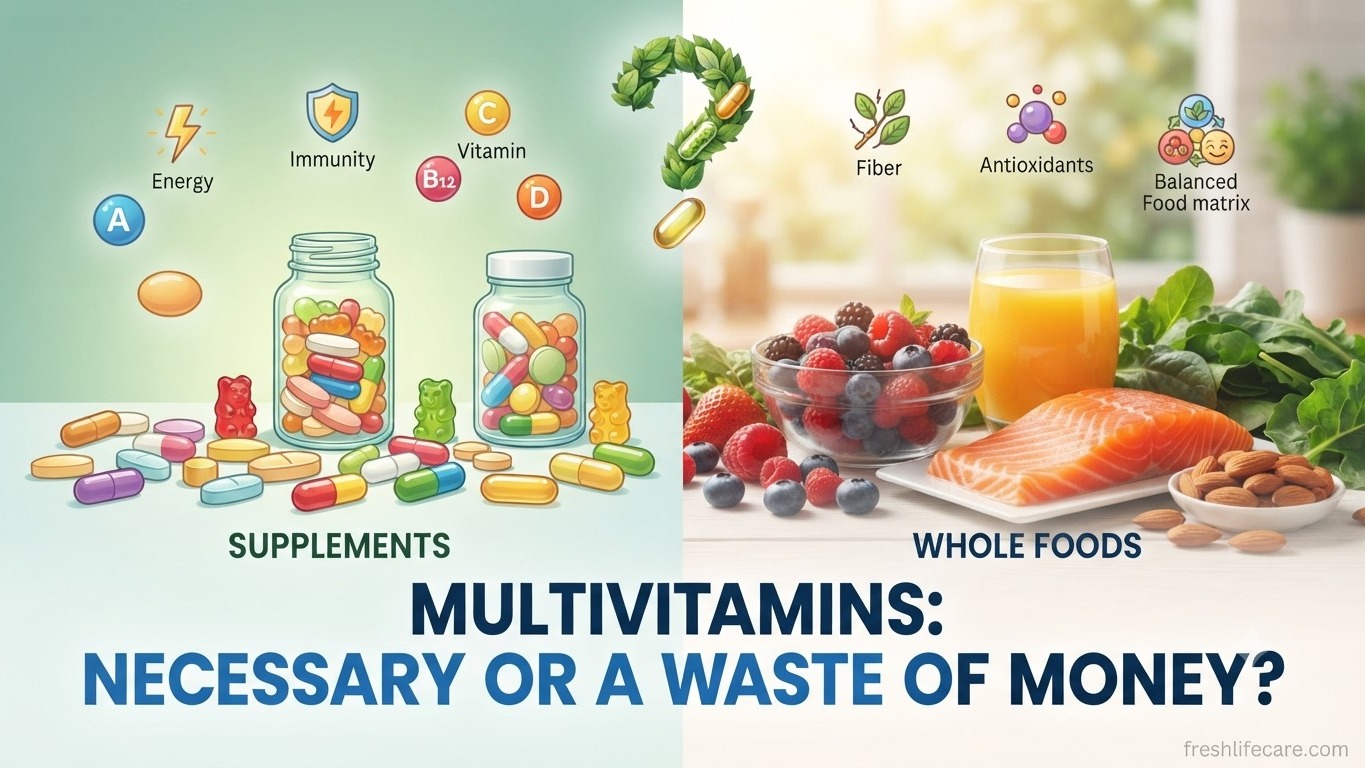
Multivitamins: Necessary or a Waste of Money?
Discover whether multivitamins are truly essential or an avoidable expense. Learn the benefits, risks, and how to choose the right path for your health.
Read More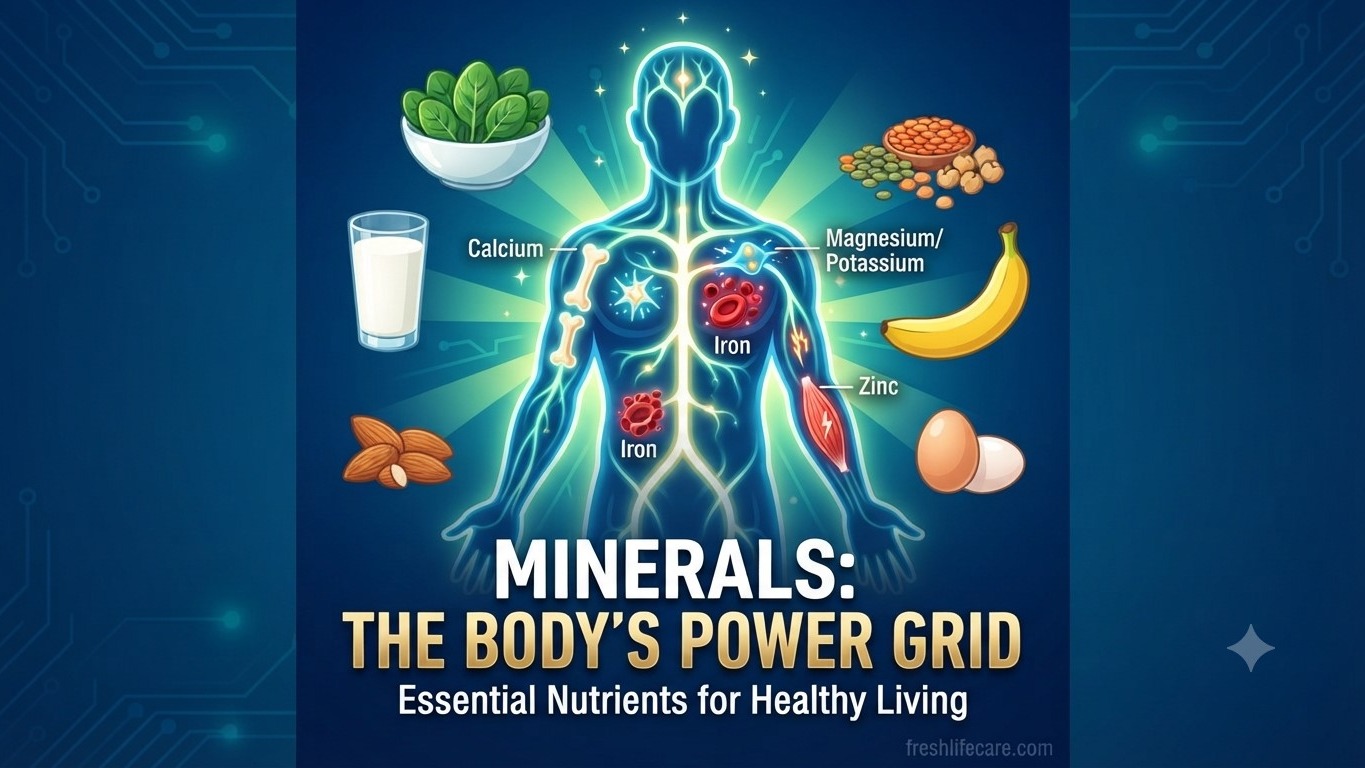
Minerals: you can't see them, but without them, your body's whole power grid goes dark.
Discover why your body needs essential minerals like calcium, iron, and magnesium. Learn top food sources and simple tips to meet your daily intake naturally.
Read More
Winter Is Coming-Prepare Today to Protect Your Health Tomorrow
Prepare for cold weather before winter arrives! Discover 10 essential precautions, from warm clothing and hydration to immunity-boosting nutrition and skincare.
Read More