

Winter Is Coming-Prepare Today to Protect Your Health Tomorrow
As winter approaches, the temperature begins to drop, bringing chilly mornings, cold winds, and dry weather. While winter is a season of warmth, comfort, and beautiful moments, it can also bring several health challenges, including colds, coughs, respiratory infections, and dry skin. Children, older adults, and people with existing health conditions may need extra care during this time. Therefore, it is important to prepare for the upcoming winter by wearing suitable warm clothing, eating nutritious food, drinking enough water, maintaining personal hygiene, and following healthy daily habits. A little preparation and a few simple precautions can help us stay healthy, safe, and comfortable throughout the winter season.
Important Precautions for the Upcoming Winter
1. Wear Warm Clothes
Wear sweaters, jackets, socks, and other warm clothing, especially during early mornings and late evenings. Children and older adults may need extra protection from the cold.
2. Eat Healthy and Nutritious Food
Include seasonal fruits, green vegetables, nuts, seeds, and protein-rich foods in your daily diet. A balanced diet helps support your immune system and overall health.
3. Drink Enough Water
People often drink less water during winter because they feel less thirsty. However, staying hydrated is important in every season. Drink water regularly, and enjoy warm drinks such as soup or herbal tea if you prefer.
4. Take Care of Your Skin
Cold weather and dry air can make your skin rough, itchy, and dry. Use a suitable moisturizer, apply lip balm, and avoid excessively hot showers.
5. Maintain Personal Hygiene
Wash your hands regularly, cover your mouth and nose when coughing or sneezing, and avoid close contact with people who are ill. Keep indoor spaces well ventilated whenever possible.
6. Stay Physically Active
Cold weather can make us less active, but regular exercise is important. Try indoor workouts, yoga, stretching, or walking during the warmer hours of the day.
7. Take Extra Care of Children and Older Adults
Young children and older adults may be more vulnerable to cold weather and seasonal infections. Keep them comfortably warm and seek medical advice if they develop concerning symptoms.
8. Be Careful With Room Heaters
Use heaters according to the manufacturer's instructions. Never use charcoal burners or fuel-burning heaters in enclosed spaces without proper ventilation, as carbon monoxide can cause serious poisoning.
9. Get Recommended Vaccinations
Ask a healthcare professional whether seasonal influenza or other recommended vaccinations are appropriate for you, particularly if you have a chronic health condition.
10. Do Not Ignore Warning Signs
Seek medical care if you experience difficulty breathing, chest pain, confusion, or other severe symptoms. Do not assume every winter illness is simply a common cold.
Conclusion
Winter is a season to enjoy warm clothes, delicious food, family gatherings, and peaceful mornings. However, taking precautions before the cold becomes severe can help reduce seasonal health risks. Maintaining good hygiene, eating nutritious food, staying hydrated, exercising regularly, and protecting vulnerable family members are simple but valuable habits.
Related Articles

Power your body with protein—build strength, boost health, and make every day stronger!
Discover why protein is essential for muscle repair, immunity, and strength. Learn the best food sources, daily intake guidelines, and how to fuel your body naturally.
Read More
Multivitamins: Necessary or a Waste of Money?
Discover whether multivitamins are truly essential or an avoidable expense. Learn the benefits, risks, and how to choose the right path for your health.
Read More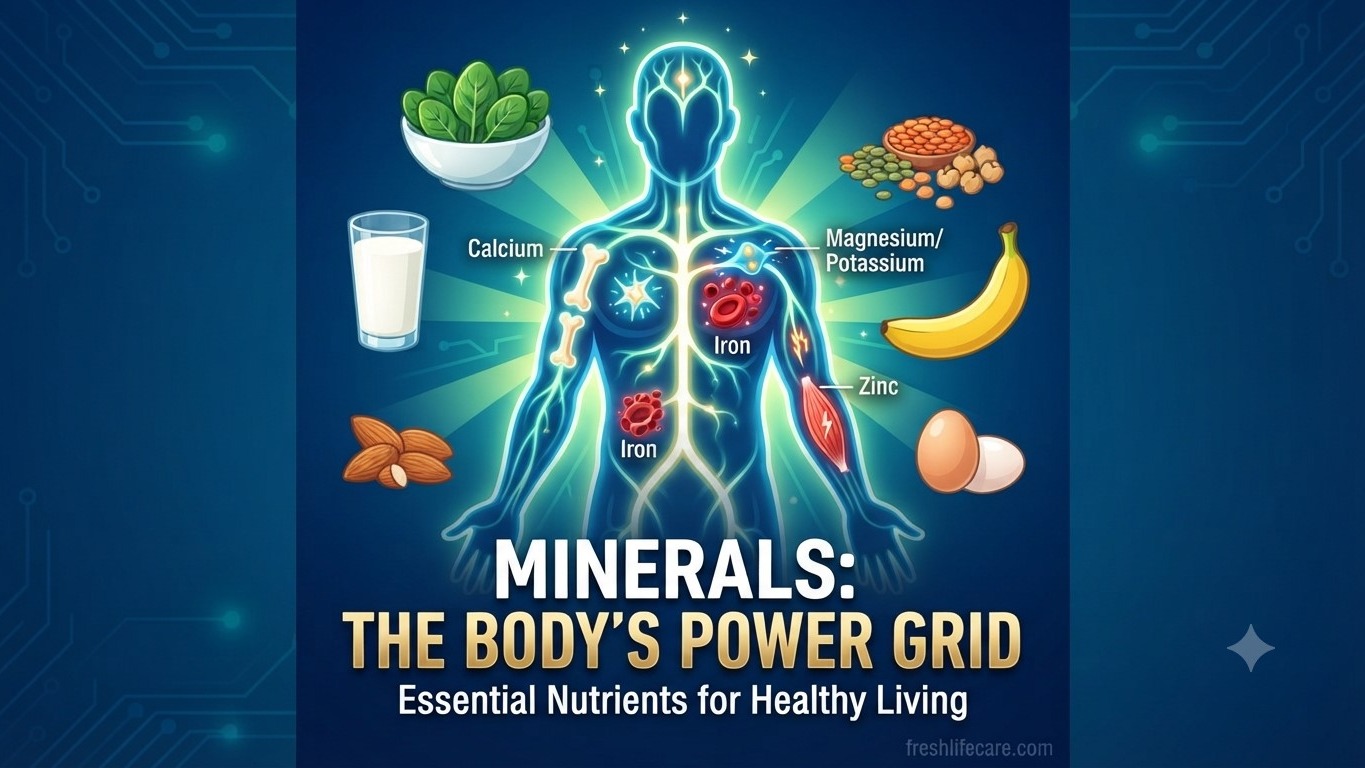
Minerals: you can't see them, but without them, your body's whole power grid goes dark.
Discover why your body needs essential minerals like calcium, iron, and magnesium. Learn top food sources and simple tips to meet your daily intake naturally.
Read More