
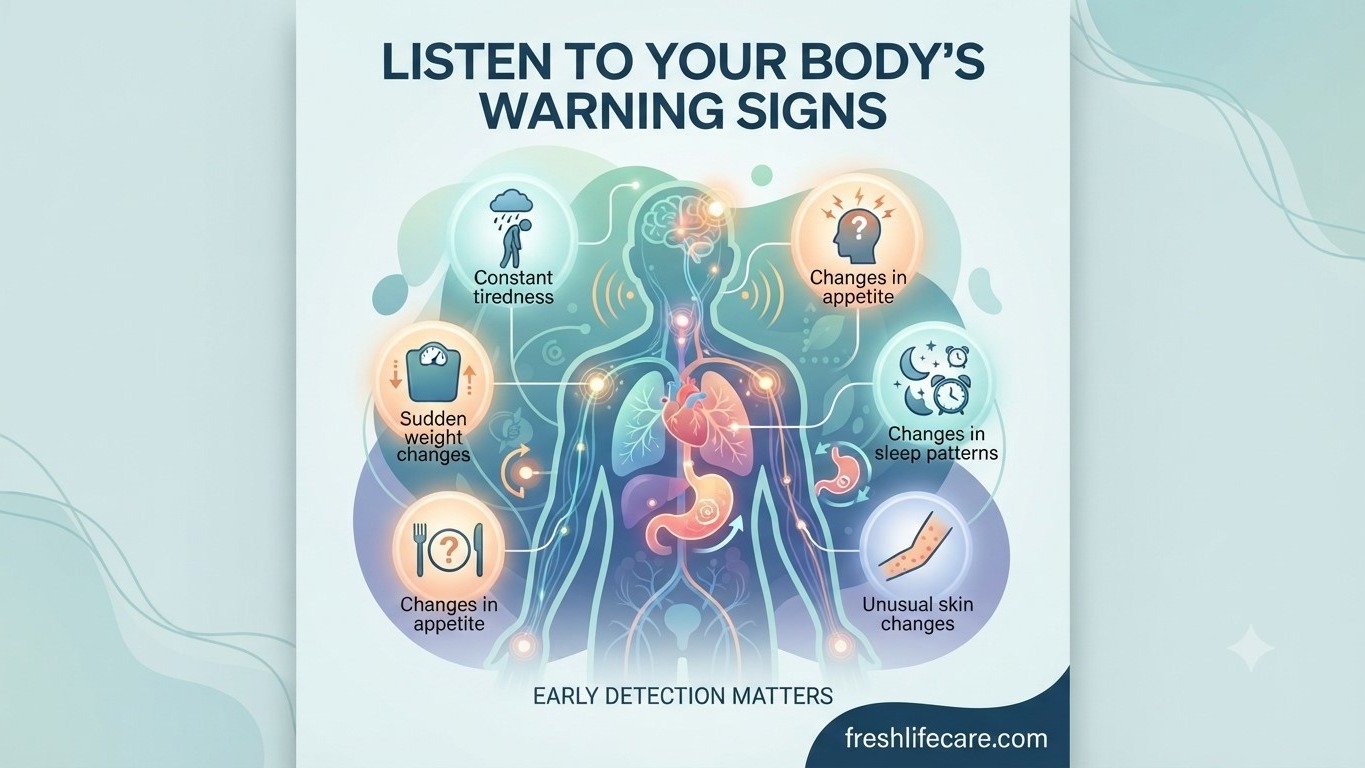
Your body communicates through signs and symptoms. Do not ignore what it is trying to tell you
Your body often sends out warning signals before a serious illness strikes, but these signals are easily ignored, especially by young people who tend to think "I'm fine." Many critical conditions, including heart attacks and strokes, have "prodromal symptoms"—early signs that can appear days or even weeks before the event.
Below are the warning signals your body may send before getting sick, with particular attention to the atypical signs that young people and women are prone to overlook.
Our bodies often show changes when something is not right. Sometimes, we ignore these changes because we consider them normal tiredness, stress or everyday discomfort. However, persistent or unusual symptoms may indicate an underlying health problem. Understanding these warning signs can help us seek medical attention at the right time. Although not every symptom means a serious illness, listening to your body is an important part of maintaining good health.
Seven warning signs to watch out for
1.Constant tiredness
Feeling tired after a busy day is normal. However, unexplained tiredness that continues for weeks may be associated with anaemia, thyroid disorders, sleep problems, diabetes or other medical conditions. Consult a healthcare professional if fatigue does not improve.
2. Sudden or unexplained weight changes
Unexpected weight loss or weight gain without changes in diet or physical activity should not be ignored. It may be linked to hormonal changes, metabolic conditions or other health problems.
3. Frequent headaches
Occasional headaches are common, but frequent, severe or changing headaches may require medical evaluation. A sudden, extremely severe headache or headache with weakness, confusion or vision changes needs emergency attention.
4. Changes in appetite
A sudden loss of appetite, persistent hunger or unusual changes in eating habits may be connected to digestive, hormonal or metabolic problems.
5. Digestive problems
Frequent bloating, stomach pain, constipation, diarrhoea or changes in bowel habits may indicate digestive issues. Persistent symptoms, blood in the stool or unexplained weight loss need medical attention.
6. Changes in sleep patterns
Difficulty sleeping, excessive daytime sleepiness or regularly waking up feeling exhausted can affect physical and mental health. These problems may be related to stress, sleep disorders or other conditions.
7. Unusual skin changes
Persistent rashes, unexplained bruising, changes in skin colour or wounds that do not heal should be checked by a healthcare professional.
Other Systemic Signals Worth Noting
Unintentional weight loss: Losing more than 5 kilograms without changing diet or exercise habits requires medical attention.
Persistent cough: If it's not caused by allergies, asthma, or sinus problems and doesn't resolve, it needs to be investigated.
Snoring: Associated with carotid artery thickening, which is a precursor to stroke and heart attack.
How can you take care of your body?
Maintain a balanced diet.
Drink enough water.
Follow a regular sleep schedule.
Stay physically active.
Avoid smoking and excessive alcohol.
Attend regular health check-ups.
Do not ignore persistent or worsening symptoms.
Conclusion
Our bodies do not always give clear warnings, but unusual and persistent changes deserve attention. Early medical evaluation can help identify health conditions before they become more difficult to manage. Instead of relying on self-diagnosis, consult a qualified healthcare professional whenever something feels unusual.
Related Articles
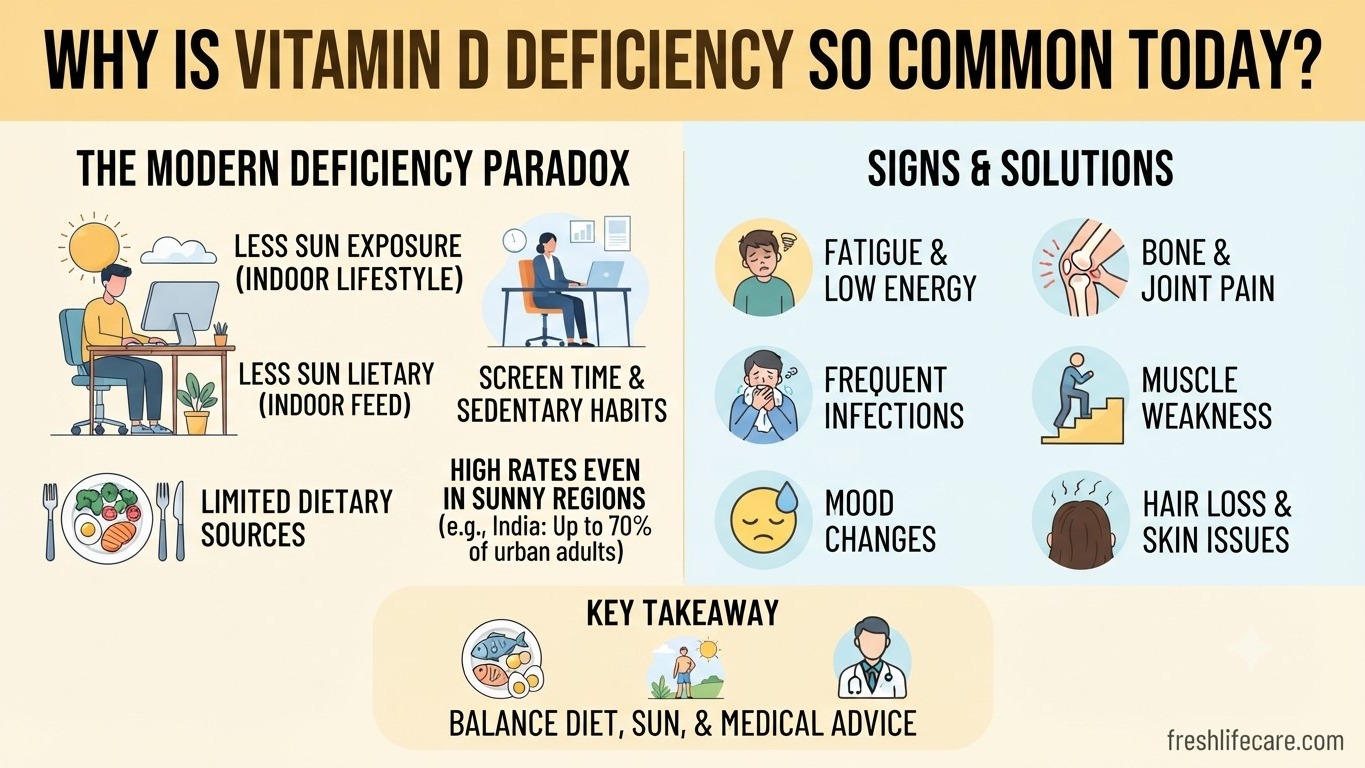
Why Is Vitamin D Deficiency So Common Today?
Learn why Vitamin D deficiency is rising worldwide, recognize key symptoms like fatigue and joint pain, and discover natural ways to restore healthy levels.
Read More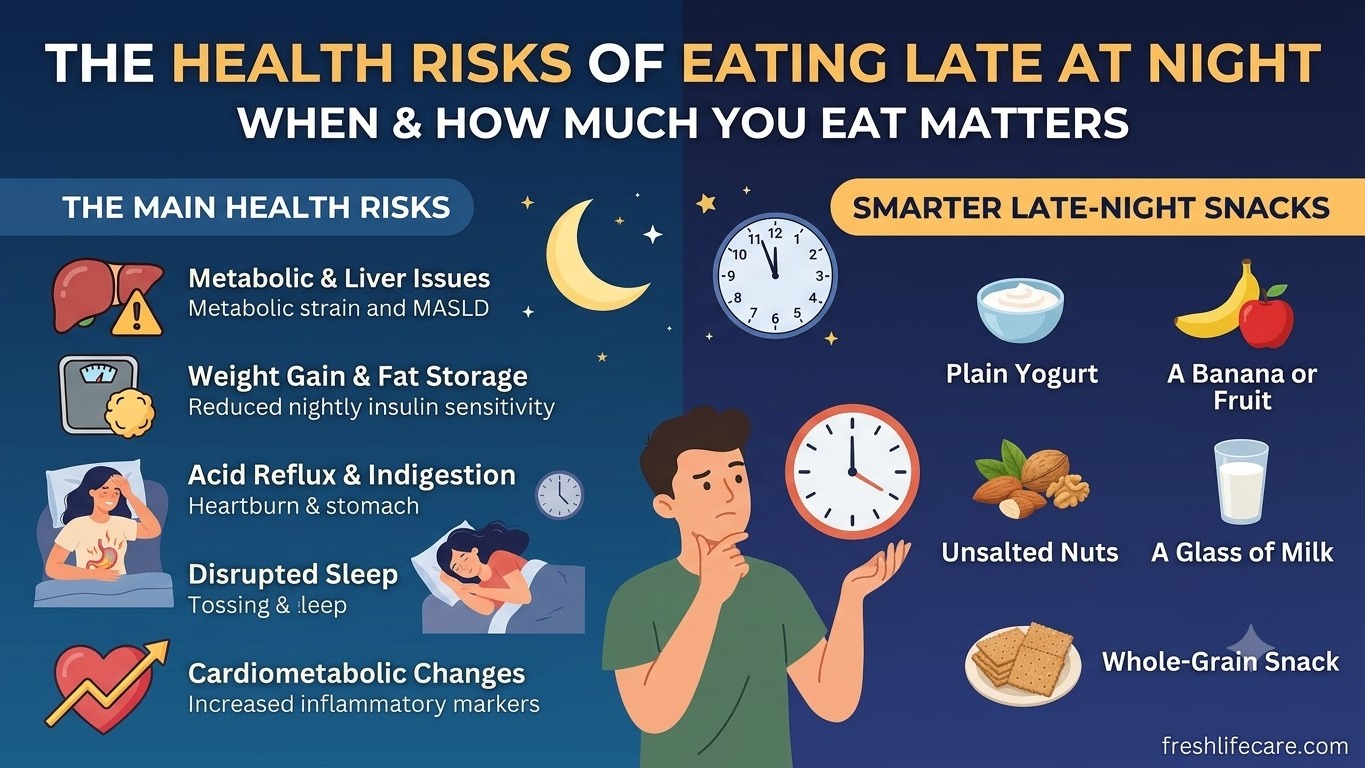
Healthy eating is not only about what you eat; when and how much you eat also matter
Discover the health risks of late-night eating, from weight gain and acid reflux to metabolic issues, plus smart late-night snack options for better sleep.
Read More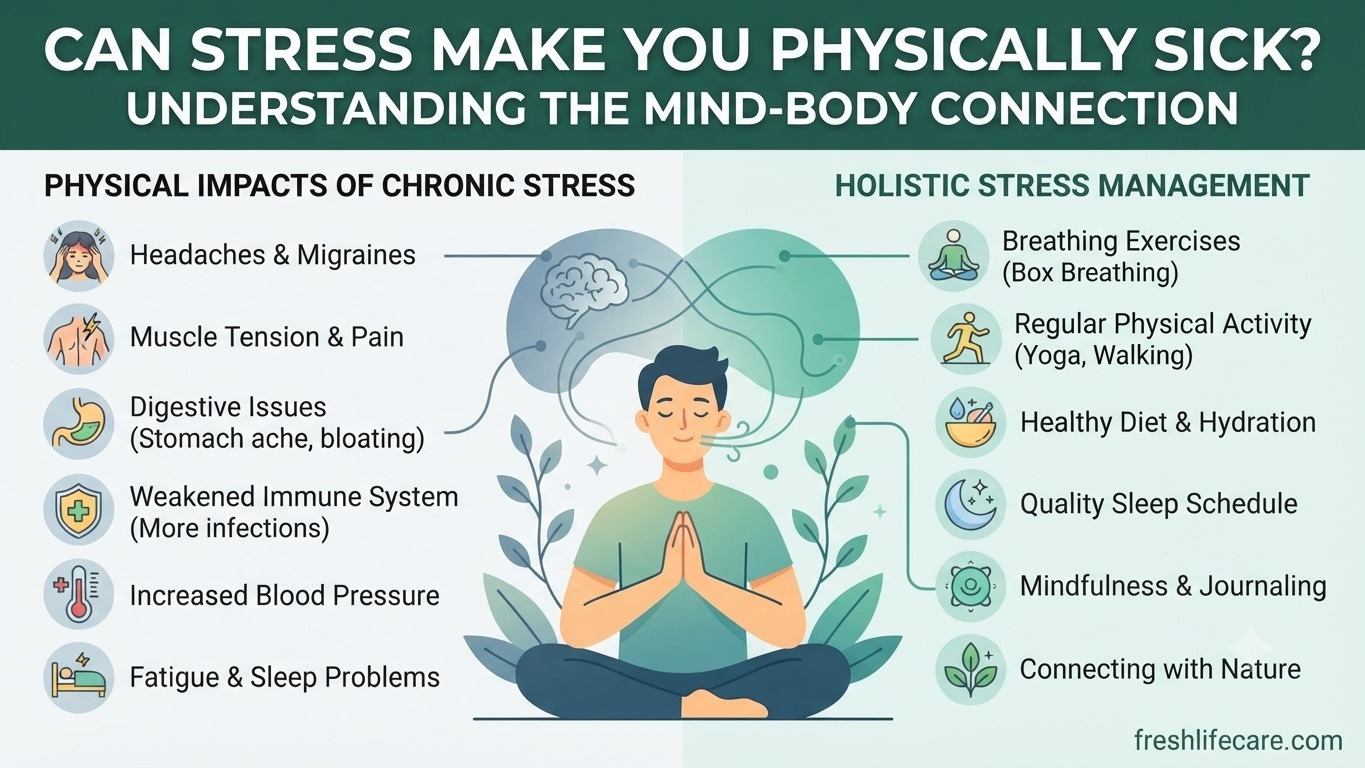
Can Stress Make You Physically Sick?
Discover how chronic stress impacts your physical health—from headaches to digestive issues—and learn effective strategies to manage it for better well-being
Read More