Healthy eating is not only about what you eat; when and how much you eat also matter
Regularly eating late at night is generally harmful to your health, primarily because it conflicts with your body's natural circadian rhythms and metabolic processes. However, the occasional late snack is not a major concern; the key issue is the habitual timing and the quality of the food you eat.
After a long and busy day, many people develop the habit of eating dinner late at night. Some people work night shifts, while others stay awake watching television, using mobile phones or working on computers. As a result, late-night eating has become a common part of modern lifestyles. But is eating late at night really harmful? The answer depends on what you eat, how much you eat and how close your meal is to bedtime.
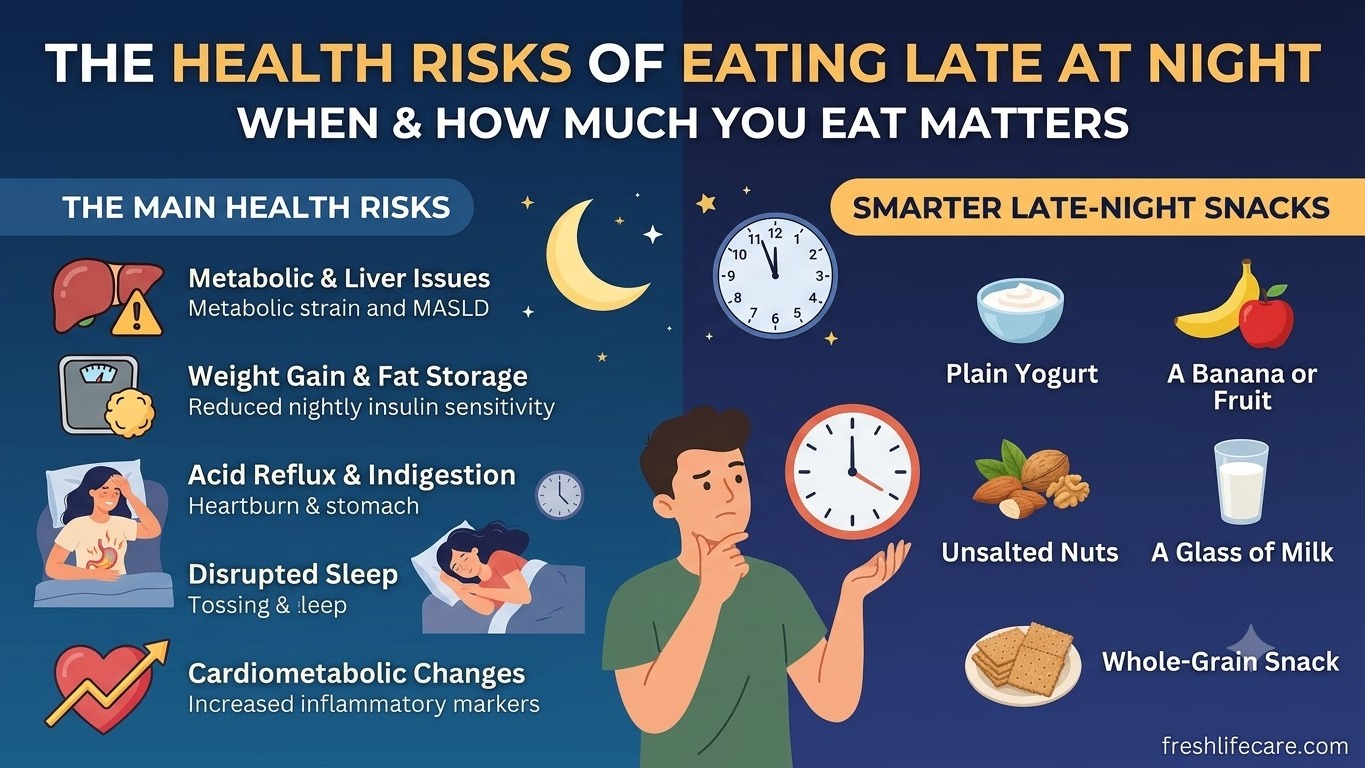
The Main Health Risks
Research and medical experts point to several specific ways late-night eating can negatively impact health:
Metabolic and Liver Issues: A large 2026 observational study found that eating after dinner or bedtime was associated with a significantly higher risk of developing metabolic dysfunction-associated steatotic liver disease (MASLD) and cirrhosis. The study suggests this may be due to decreased insulin sensitivity and lower energy use at night, leading to metabolic strain.
Weight Gain and Fat Storage: Your body's insulin sensitivity is higher in the morning and lower at night. Eating late means the calories are more likely to be stored as fat rather than burned for energy. A Harvard study found that eating later in the day increased hunger, decreased calorie burn, and promoted fat storage.
Digestive Discomfort and Reflux: Lying down shortly after eating allows stomach acid and food to flow back into the esophagus, causing heartburn or acid reflux. Your digestive system is also meant to perform a "housecleaning" function while you sleep, which is interrupted if you eat right before bed.
Sleep Disruption: Late meals can disrupt sleep quality. Eating high-fat or sugary foods, or consuming caffeine or alcohol, close to bedtime can make it harder to fall asleep and stay asleep.
Cardiometabolic Changes: A small 2025 study on healthy adults found that short-term nighttime eating (consuming ≥25% of daily calories after 9:30 p.m.) was linked to increases in inflammatory markers (like CRP) and changes in hormones that regulate appetite and stress, indicating potential adverse effects on cardiometabolic health.
What should you eat if you feel hungry at night?
Consider lighter options such as:
A small bowl of plain yoghurt.
A banana or another piece of fruit.
A handful of unsalted nuts.
A glass of milk, if tolerated.
A small serving of whole-grain food.
Conclusion
Eating late at night occasionally is not necessarily harmful. However, regularly consuming heavy meals immediately before sleeping may affect digestion, sleep and blood sugar management. Developing regular eating habits and choosing nutritious foods can help support better health.
Related Articles
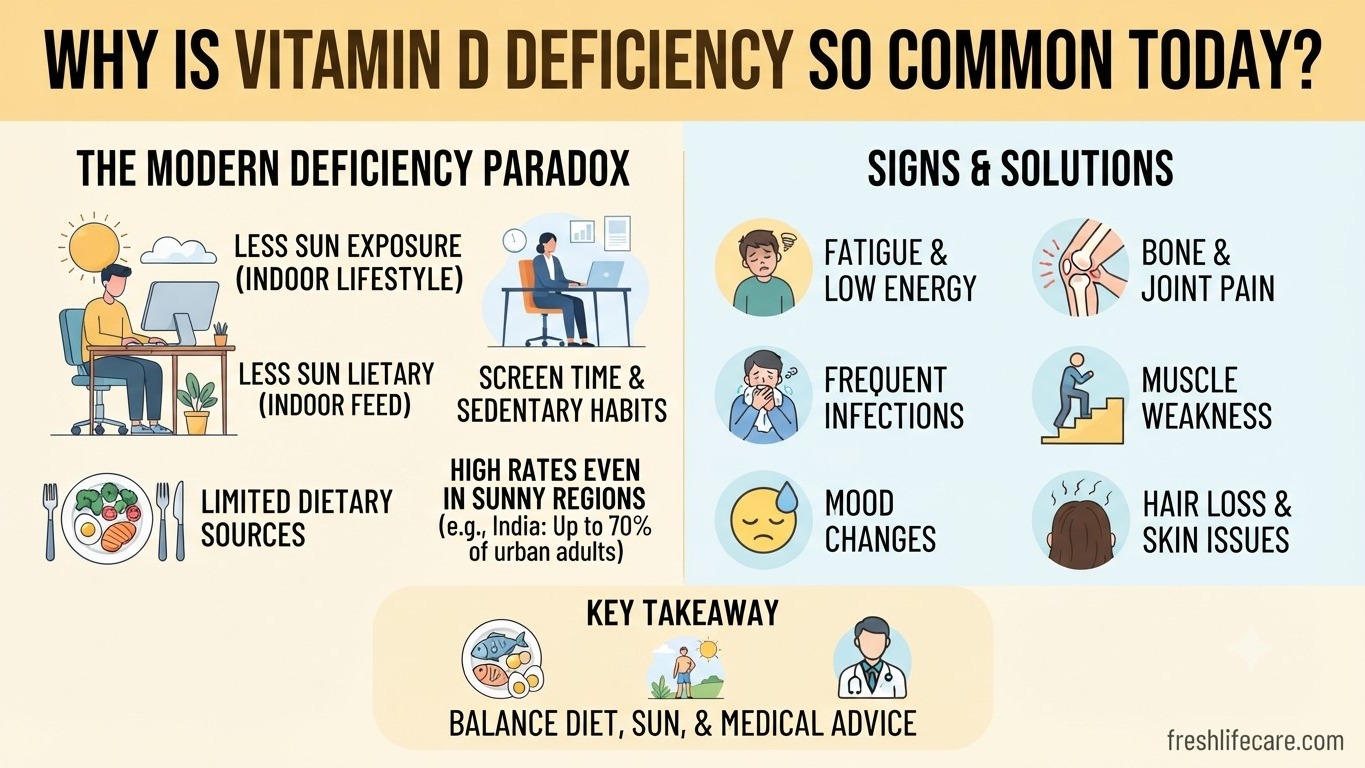
Why Is Vitamin D Deficiency So Common Today?
Learn why Vitamin D deficiency is rising worldwide, recognize key symptoms like fatigue and joint pain, and discover natural ways to restore healthy levels.
Read More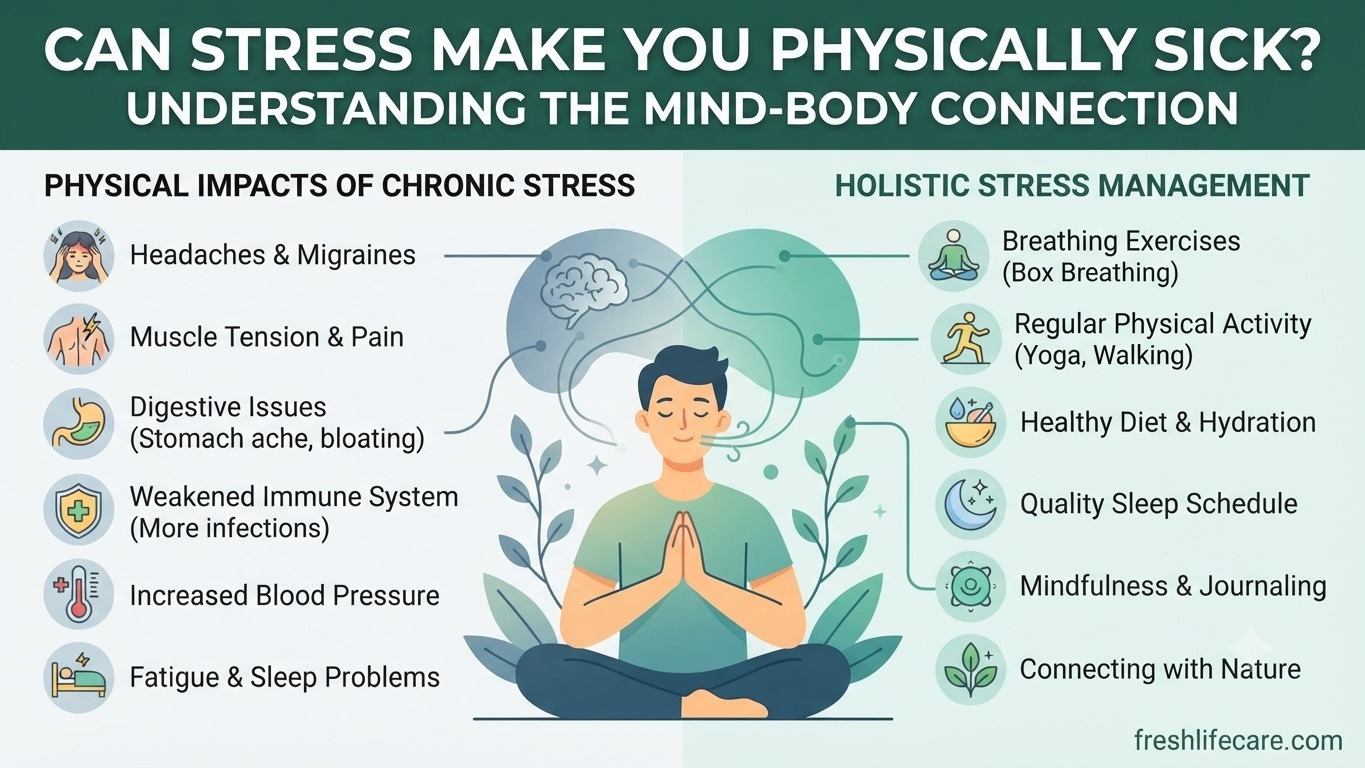
Can Stress Make You Physically Sick?
Discover how chronic stress impacts your physical health—from headaches to digestive issues—and learn effective strategies to manage it for better well-being
Read More
Power your body with protein—build strength, boost health, and make every day stronger!
Discover why protein is essential for muscle repair, immunity, and strength. Learn the best food sources, daily intake guidelines, and how to fuel your body naturally.
Read More