
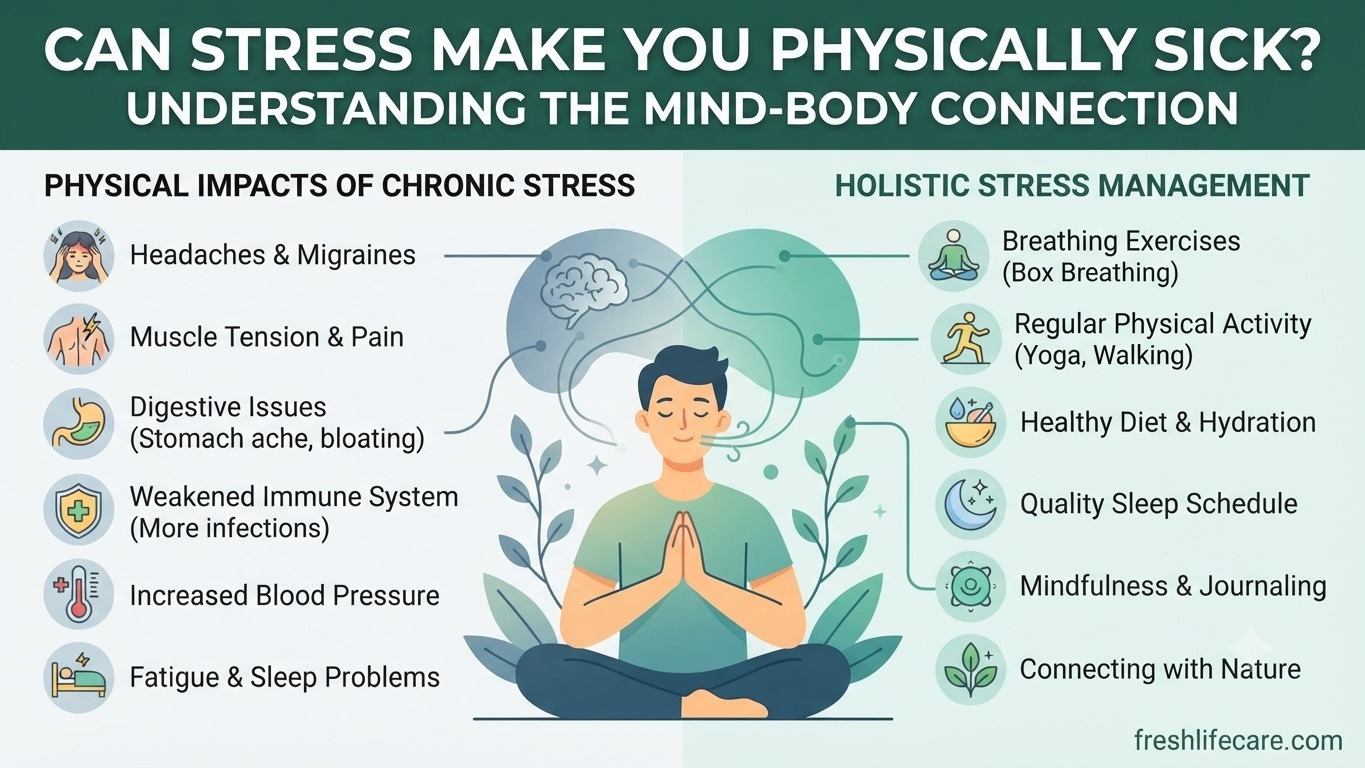
Can Stress Make You Physically Sick?
Stress can absolutely make you physically sick. While short-term stress is a normal and even helpful part of life, chronic (long-term) stress is the key culprit. It keeps your body's "fight-or-flight" response switched on, which can wear down your systems and lead to real, measurable physical symptoms and diseases.
Stress has become a regular part of modern life. Work pressure, financial responsibilities, family problems, personal expectations and daily challenges can affect our emotional well-being. But stress does not affect only the mind; it can also influence the body. When stress continues for a long time, it may contribute to several physical and mental health problems. Understanding the connection between stress and physical health is an important step towards a healthier lifestyle.
How does stress affect the body?
1. Headaches and muscle tension
Stress can cause muscles to tighten, especially around the neck, shoulders and head. This may contribute to tension headaches and body discomfort.
2. Digestive problems
Stress affects communication between the brain and digestive system. Some people experience stomach pain, diarrhoea, constipation or changes in appetite.
3. Sleep disturbances
Worrying thoughts can make it difficult to fall asleep or stay asleep. Poor sleep may then increase stress, creating a difficult cycle.
4. Increased blood pressure
Stress can temporarily increase heart rate and blood pressure. Chronic stress may contribute to unhealthy habits and other cardiovascular risk factors.
5. Weakened immune responses
Long-term stress can affect immune system regulation and may influence the body's ability to respond to infections.
6. Changes in appetite and weight
Some people eat more during stressful periods, while others lose their appetite. These changes can affect body weight and nutritional health.
7. Mental exhaustion
Continuous stress may contribute to irritability, poor concentration, anxiety and emotional exhaustion.
1. Nervous System & Breathing Exercises
Box Breathing (4-4-4-4): Inhale for 4 seconds, hold for 4 seconds, exhale for 4 seconds, and hold empty for 4 seconds. Repeat for 2–3 minutes to activate the parasympathetic ("rest and digest") nervous system.
Physiological Sigh: Take two quick inhales through the nose, followed by one long, slow exhale through the mouth. Doing this 2–3 times immediately lowers heart rate and reduces acute stress.
2. Daily Physical Movement
Aerobic Activity: Brisk walking, cycling, or swimming for 20–30 minutes releases endorphins and helps burn off excess adrenaline and cortisol built up from stress.
Low-Impact & Gentle Workouts: Yoga, Tai Chi, and stretching improve circulation, relieve muscle tension in the shoulders and neck, and encourage mindfulness.
3. Sleep Hygiene & Circadian Alignment
Morning Sunlight: Get 10–15 minutes of direct sunlight exposure early in the morning to anchor your circadian rhythm, improve nighttime sleep quality, and stabilize mood.
Consistent Sleep Schedule: Go to bed and wake up at the same time daily. Aim for 7–9 hours of sleep to allow the brain to restore neurochemical balance.
4. Dietary & Nutritional Support
Limit Caffeine and Refined Sugar: Excessive caffeine spikes adrenaline and jitteriness, while sugar spikes cause blood sugar crashes that trigger anxiety-like symptoms.
Magnesium-Rich Foods: Eat leafy greens, nuts, seeds, legumes, and dark chocolate. Magnesium helps regulate neurotransmitters and relaxes tense muscles.
Hydration: Mild dehydration elevates cortisol levels; drink water steadily throughout the day.
5. Adaptogens & Herbal Teas
Adaptogenic Herbs: Herbs like Ashwagandha, Rhodiola Rosea, and Holy Basil (Tulsi) help modulate the adrenal system's response to chronic stress over time.
Calming Teas: Chamomile, Passionflower, and Lemon Balm teas promote mild sedation and calm nervous tension without habit-forming side effects.
6. Mental Unloading & Nature Exposure
Brain-Dumping / Journaling: Write down racing thoughts, worries, or a daily to-do list before bed to clear cognitive load and reduce evening anxiety.
Time in Nature: Spending just 20 minutes in green spaces (forests, parks, or gardens) significantly lowers circulating cortisol levels and blood pressure.
When should you seek help?
If stress is affecting your daily activities, relationships, sleep or ability to function, consider speaking with a mental health professional or doctor.
Stress cannot always be avoided, but learning how to manage it can improve our quality of life. Paying attention to emotional health is just as important as taking care of physical health. Remember, asking for support is a sign of strength, not weakness.
Related Articles
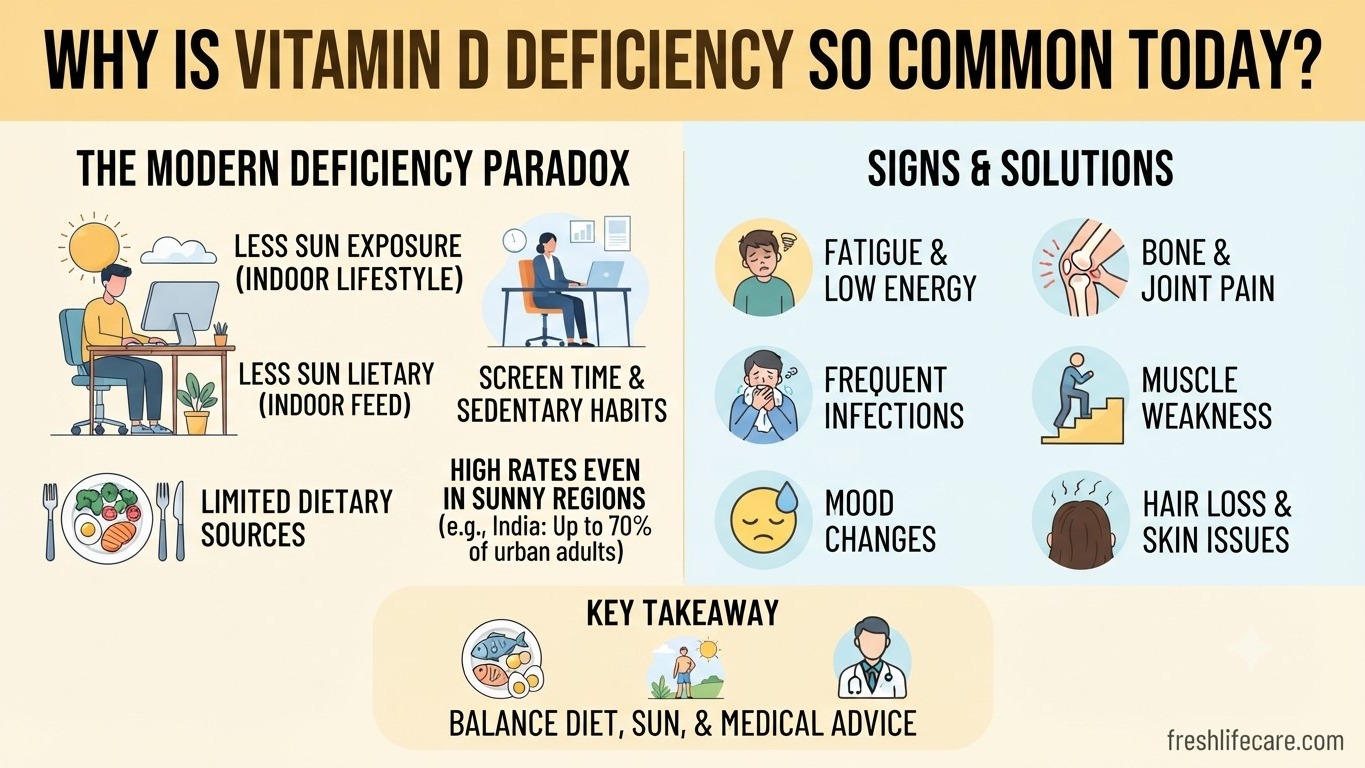
Why Is Vitamin D Deficiency So Common Today?
Learn why Vitamin D deficiency is rising worldwide, recognize key symptoms like fatigue and joint pain, and discover natural ways to restore healthy levels.
Read More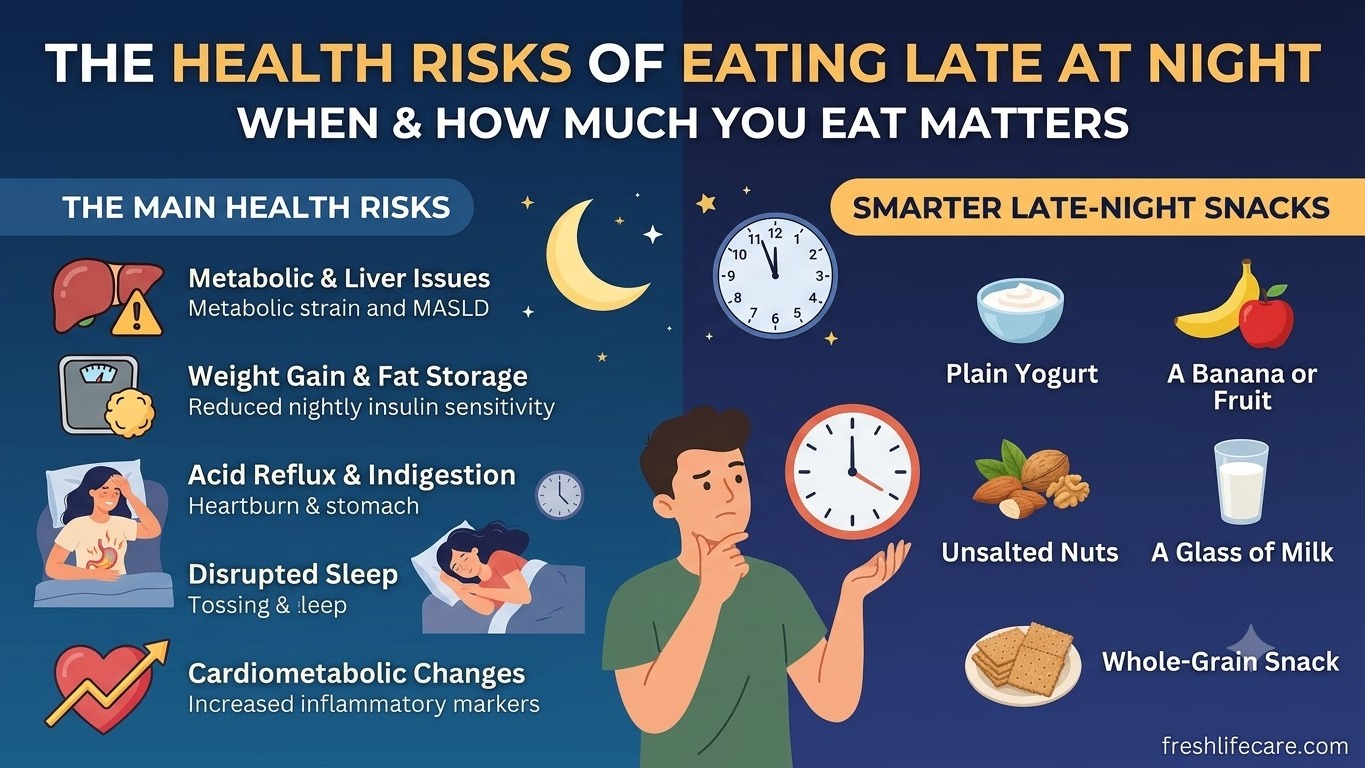
Healthy eating is not only about what you eat; when and how much you eat also matter
Discover the health risks of late-night eating, from weight gain and acid reflux to metabolic issues, plus smart late-night snack options for better sleep.
Read More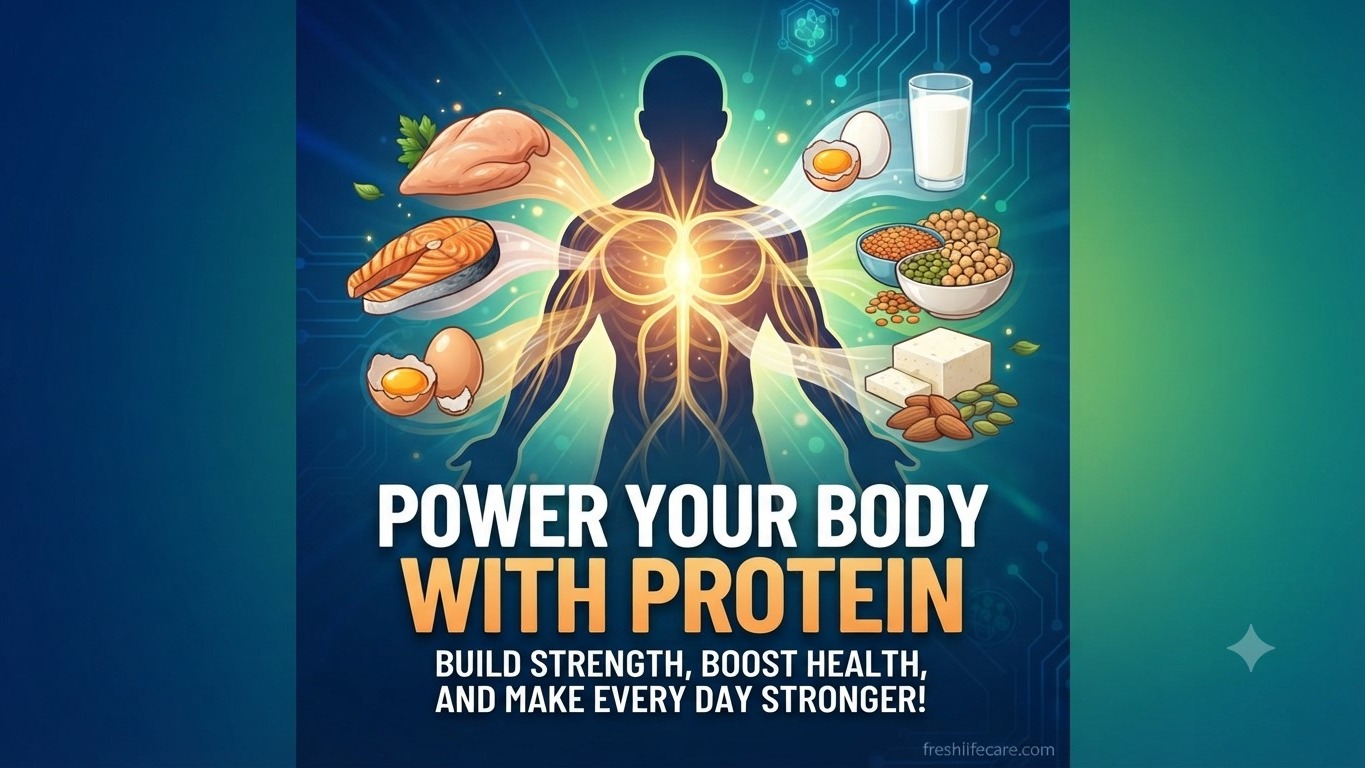
Power your body with protein—build strength, boost health, and make every day stronger!
Discover why protein is essential for muscle repair, immunity, and strength. Learn the best food sources, daily intake guidelines, and how to fuel your body naturally.
Read More