
Why Is Vitamin D Deficiency So Common Today?
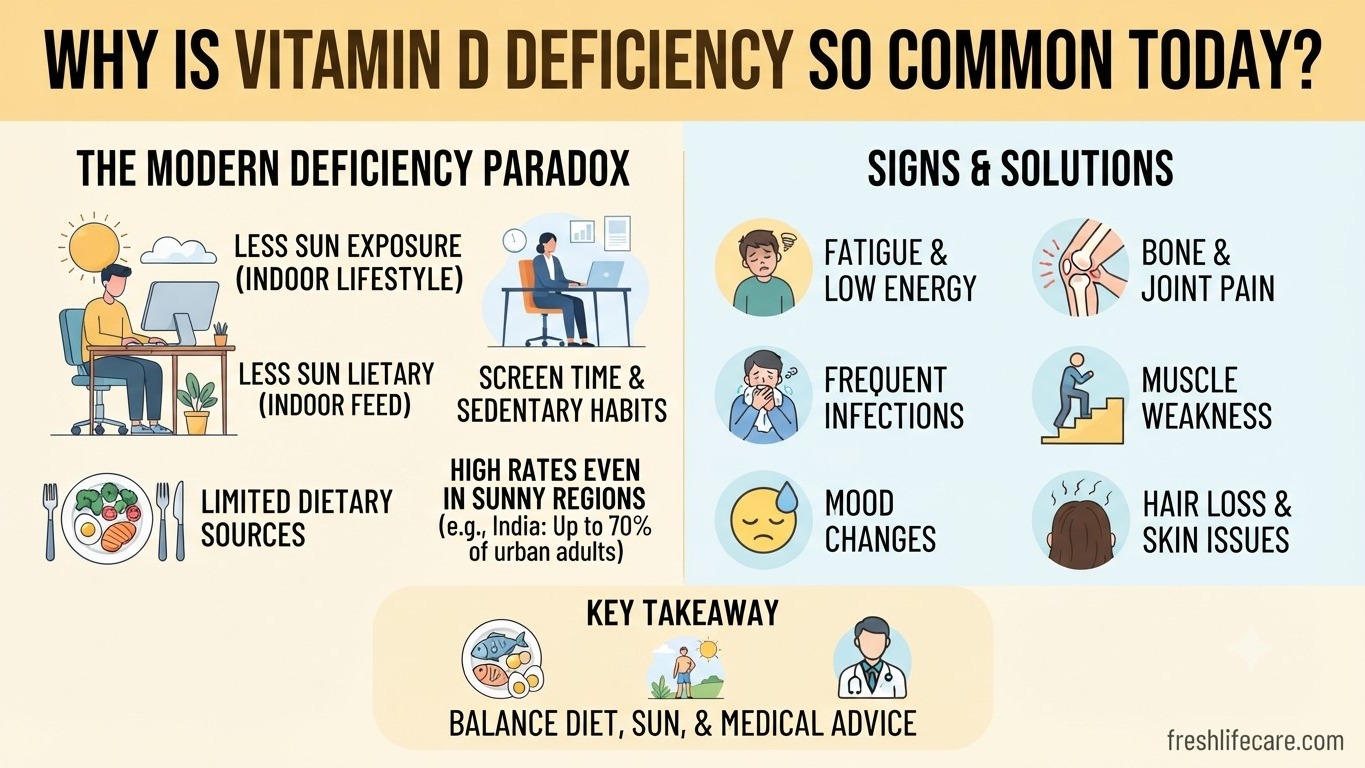
Vitamin D deficiency is so common today largely because modern lifestyles have systematically reduced the two main ways we get it: sun exposure and dietary intake. The paradox is striking—even in countries with abundant sunshine like India, deficiency rates are extremely high, affecting roughly 66% of healthy children and adolescents and up to 70% of urban adults.
Why does our body need vitamin D?
1. Supports bone health: Vitamin D helps the body absorb calcium and phosphorus, which are essential for strong bones and teeth.
2. Supports muscle function: Adequate vitamin D helps muscles function properly.
3. Supports immune function: Vitamin D plays a role in regulating the immune system.
4. Helps prevent bone disorders: Severe deficiency can cause rickets in children and osteomalacia in adults.
Why is vitamin D deficiency increasing?
1. Limited sunlight exposure: People who spend most of their time indoors may receive less sunlight.
2. Use of protective clothing: Covering most of the skin or consistently avoiding direct sunlight can reduce vitamin D production.
3. Dietary habits: Only a limited number of foods naturally contain significant amounts of vitamin D.
4. Lifestyle changes: Office work, screen time and reduced outdoor activities can limit exposure to sunlight.
5. Certain medical conditions: Conditions affecting the absorption of nutrients, liver function or kidney function may interfere with vitamin D levels.
6. Age and body composition: Older adults and people with obesity may have a higher risk of deficiency.
Natural sources of vitamin D
Fatty fish such as salmon and sardines.
Egg yolks.
Fortified milk and dairy products.
Fortified cereals.
UV-exposed mushrooms.
Sunlight can also help the skin produce vitamin D. However, the amount produced depends on factors such as skin tone, location, season and time spent outdoors. Avoid sunburn and excessive unprotected exposure.
Common symptoms of deficiency
1. Chronic Fatigue & Low Energy
Unexplained, persistent tiredness that does not improve with adequate sleep.
Feeling physically drained during simple daily activities due to impaired mitochondrial cell function.
2. Bone, Joint & Back Pain
Vitamin D is required for calcium absorption; low levels lead to bone softening (osteomalacia in adults, rickets in children).
Deep, aching pain in the lower back, hips, legs, or joints when bearing weight.
3. Frequent Infections & Slow Healing
Impaired immune defense leading to frequent colds, flu, or respiratory infections.
Delayed wound healing or slow recovery from surgical incisions and skin injuries.
4. Muscle Weakness & Cramping
Weakness in proximal muscles (thighs, shoulders, upper arms), making it difficult to climb stairs or stand up from a low chair.
Unexplained muscle twitching, spasms, or generalized aches.
5. Mood Changes & Low Mood
Low Vitamin D levels are linked to seasonal affective disorder (SAD), anxiety, and depressive symptoms, as Vitamin D receptors are active in brain regions regulating serotonin.
6. Hair Loss & Skin Issues
Severe deficiency is associated with alopecia areata (autoimmune hair loss) and excessive hair shedding.
Dry skin or impaired skin barrier repair.
Should you take vitamin D supplements?
Supplements may be necessary for people with confirmed deficiency or specific risk factors. However, taking high doses without medical advice can be harmful. Excess vitamin D can cause high calcium levels and kidney-related problems.
Vitamin D is important for overall health, but deficiency should not be ignored or treated through guesswork. A balanced diet, sensible sunlight exposure and medical advice can help maintain healthy vitamin D levels. If you experience persistent bone pain or muscle weakness, consult a healthcare professional.
Related Articles
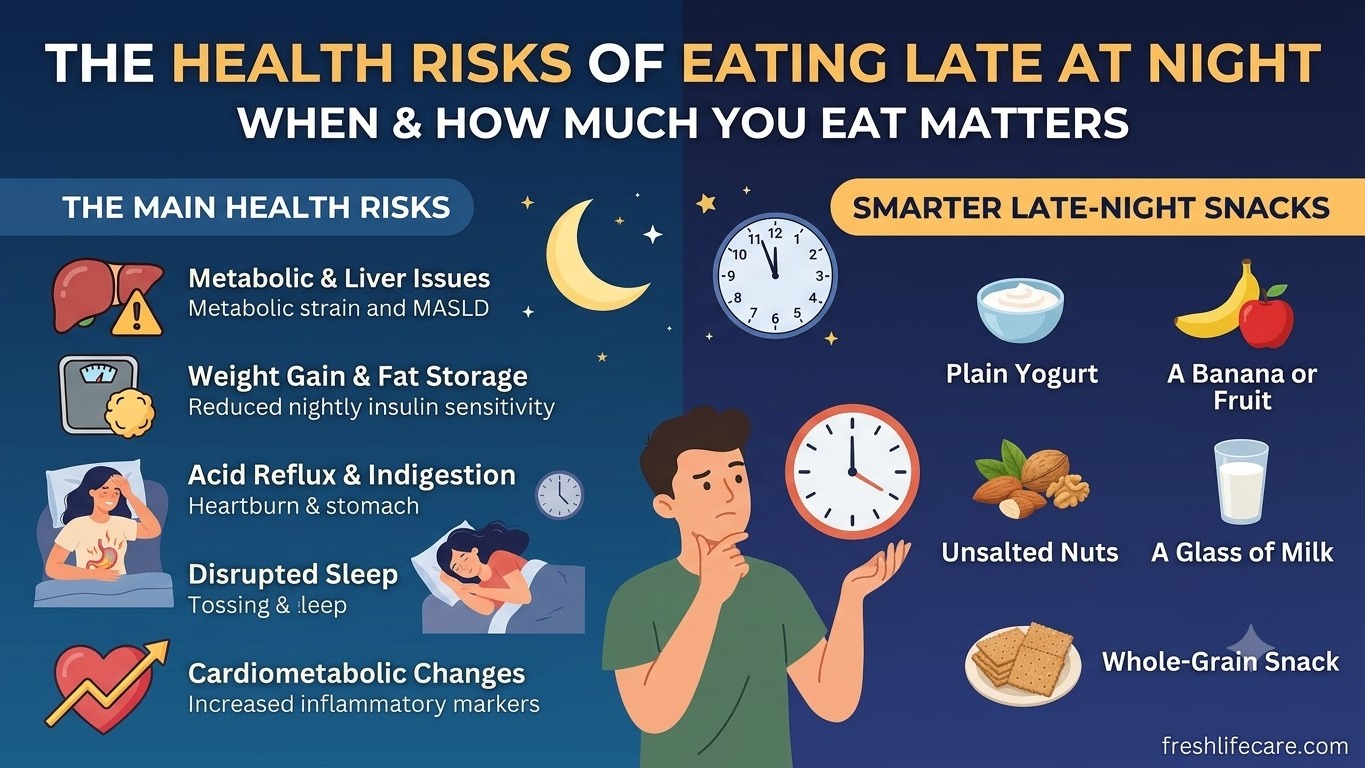
Healthy eating is not only about what you eat; when and how much you eat also matter
Discover the health risks of late-night eating, from weight gain and acid reflux to metabolic issues, plus smart late-night snack options for better sleep.
Read More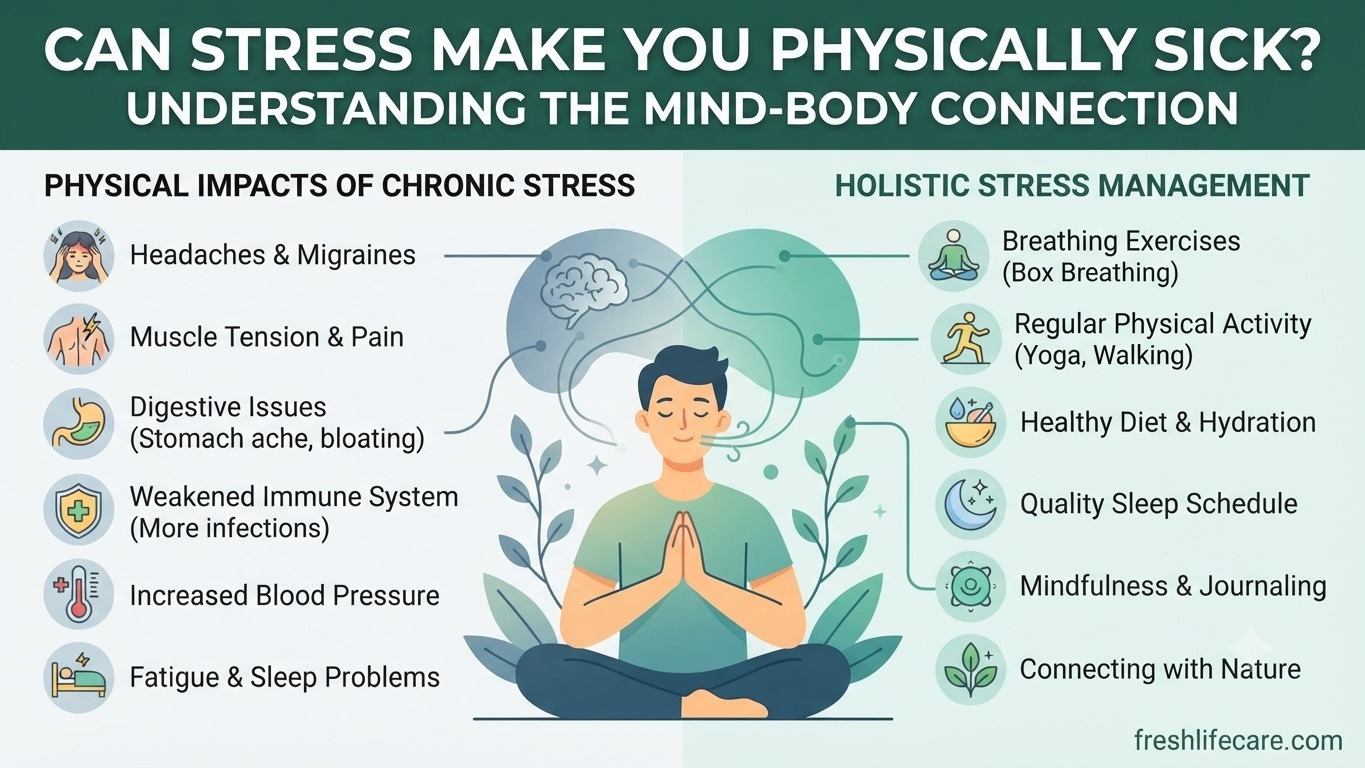
Can Stress Make You Physically Sick?
Discover how chronic stress impacts your physical health—from headaches to digestive issues—and learn effective strategies to manage it for better well-being
Read More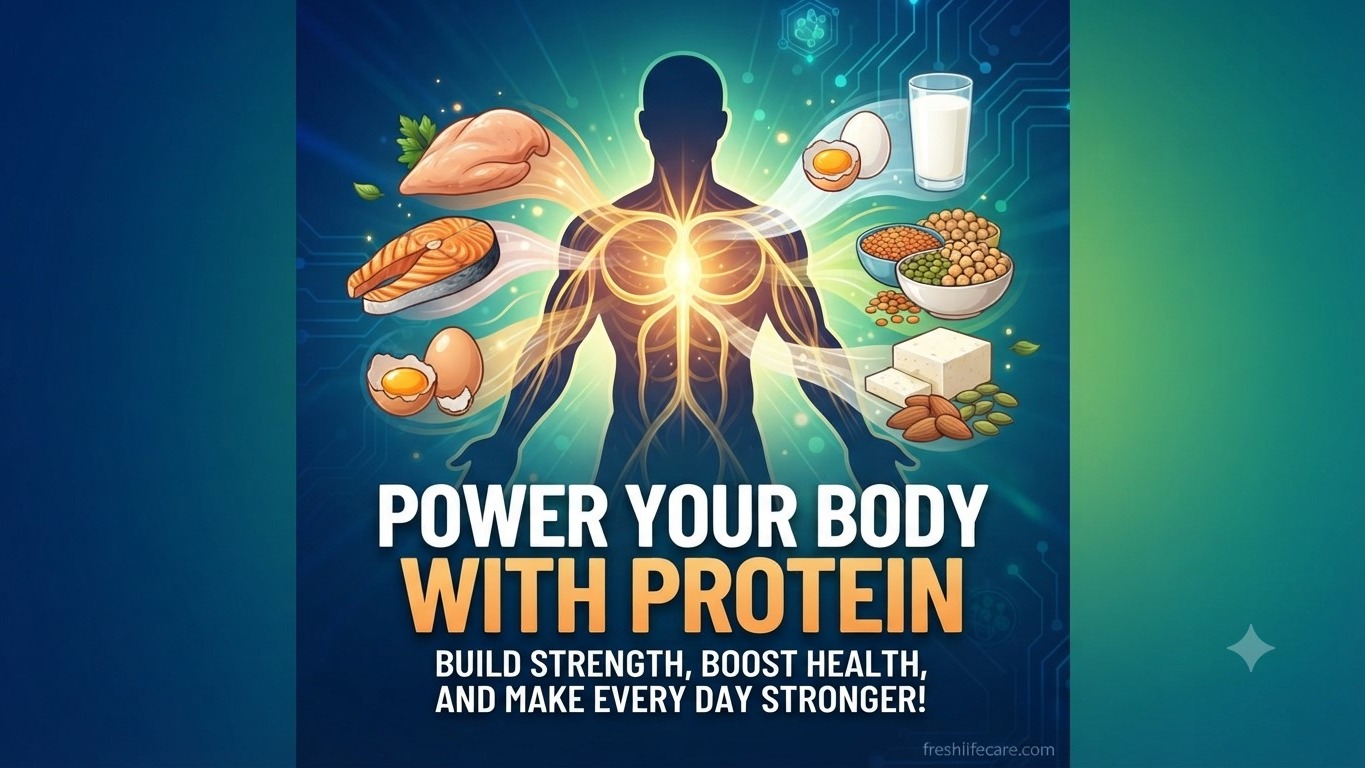
Power your body with protein—build strength, boost health, and make every day stronger!
Discover why protein is essential for muscle repair, immunity, and strength. Learn the best food sources, daily intake guidelines, and how to fuel your body naturally.
Read More