
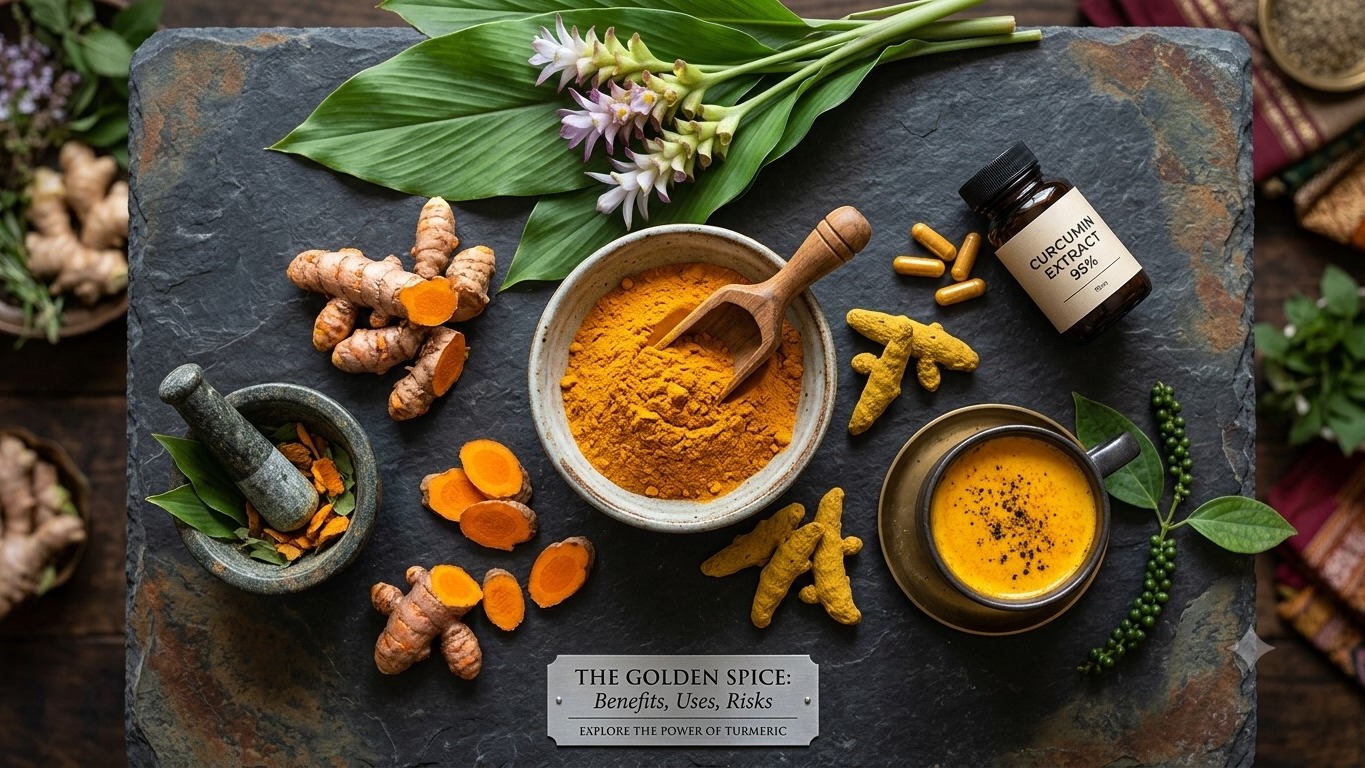
Turmeric: The Golden Spice with Herbal Power - Know Its Benefits, Uses and Risks.
Turmeric as an Herbal Medicine
Turmeric (Curcuma longa) is a popular culinary spice and traditional herbal ingredient. Its bright yellow colour comes mainly from curcuminoids, particularly curcumin. Turmeric has been used traditionally in Ayurveda and other systems of herbal medicine for centuries.
Common Herbal Uses & Potential Benefits
Anti-inflammatory properties: Curcumin has been studied for its potential to influence inflammatory processes in the body.
Antioxidant activity: Turmeric contains compounds with antioxidant properties that may help protect cells from oxidative stress.
Joint health: Some studies suggest curcumin preparations may help reduce symptoms such as pain and stiffness associated with osteoarthritis.
Digestive support: Turmeric has traditionally been used to support digestion and appetite.
Liver health: Curcumin is being researched for its potential effects on liver health, although evidence is not sufficient to use it as a treatment for liver disease.
Skin health: Turmeric is traditionally used in some topical preparations for skin care.
Tip: Curcumin is poorly absorbed on its own. Black pepper contains piperine, which can substantially increase curcumin absorption, although this doesn't mean everyone should take concentrated turmeric-and-piperine supplements.
Popular Uses & How to Consume It
Golden Milk (Haldi Doodh): Warm milk (dairy or plant-based) whisked with $1/2$ teaspoon turmeric powder, a pinch of crushed black pepper, and a touch of honey or ghee.
Culinary Staple: Used as a base spice in curries, lentils, soups, rice, and roasted vegetables.
Herbal Teas & Tonics: Steeped with fresh ginger, lemon juice, and hot water for an immunity-boosting brew.
Dietary Supplements: Concentrated curcumin extracts available in capsules or tablets, often standardized to 95% curcuminoids.
Potential Risks, Side Effects & Dosages
While dietary turmeric used in cooking is safe for nearly everyone, high-dose supplements or excessive raw intake can carry risks:
Digestive Upset: Daily doses exceeding $1,000 mg to $2,000mg of curcumin can cause stomach irritation, nausea, acid reflux, or diarrhea.
Gallbladder Issues: Turmeric can cause the gallbladder to contract. Individuals with gallstones or bile duct obstructions should avoid high-dose supplements.
Blood Thinning Effects: Turmeric possesses mild anticoagulant properties. Caution is required if taking blood-thinning medications (like warfarin or aspirin) or prior to surgery.
Iron Absorption: High amounts of turmeric may interfere with the intestinal absorption of dietary iron, which can affect individuals with iron-deficiency anemia.
Pregnancy Caution: Dietary amounts in cooked food are safe, but medicinal-dose supplements should be avoided during pregnancy as they may stimulate uterine contractions.
Related Articles

Power your body with protein—build strength, boost health, and make every day stronger!
Discover why protein is essential for muscle repair, immunity, and strength. Learn the best food sources, daily intake guidelines, and how to fuel your body naturally.
Read More
Multivitamins: Necessary or a Waste of Money?
Discover whether multivitamins are truly essential or an avoidable expense. Learn the benefits, risks, and how to choose the right path for your health.
Read More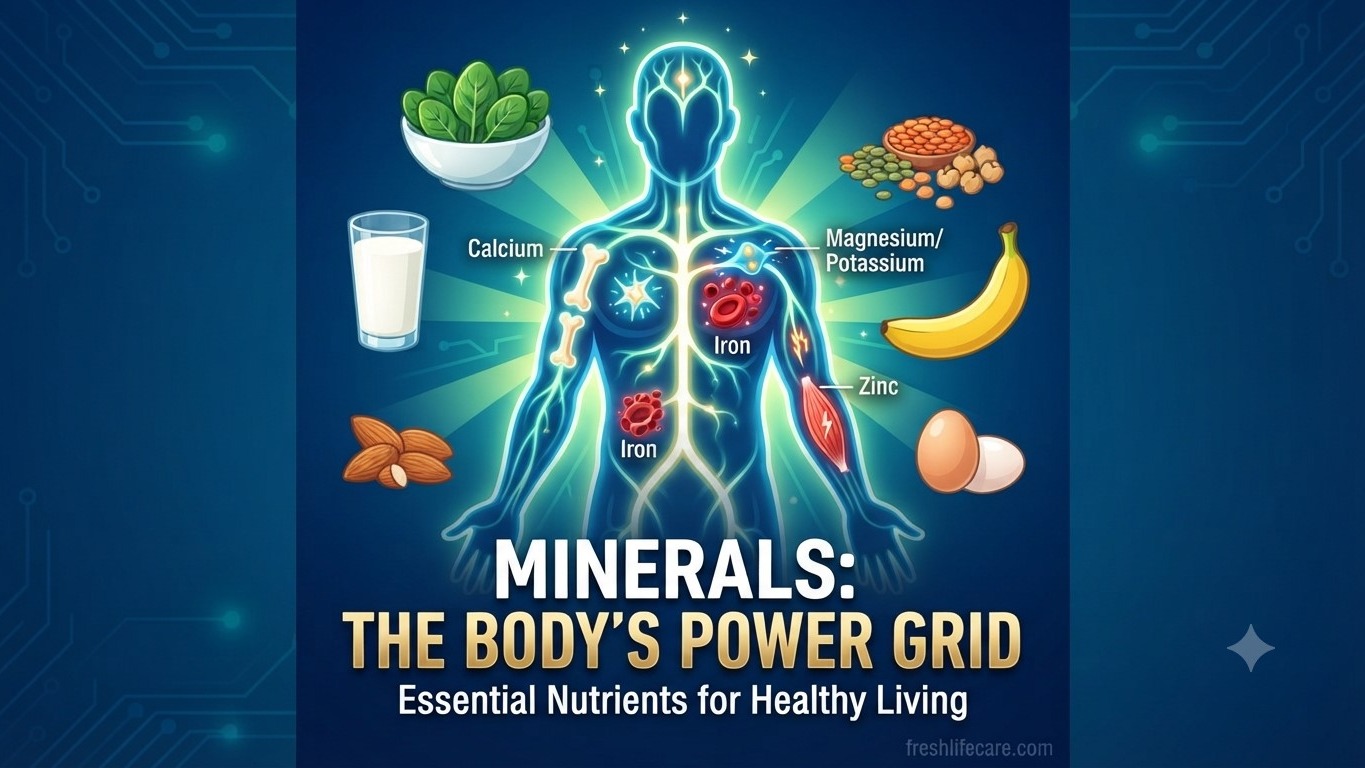
Minerals: you can't see them, but without them, your body's whole power grid goes dark.
Discover why your body needs essential minerals like calcium, iron, and magnesium. Learn top food sources and simple tips to meet your daily intake naturally.
Read More