
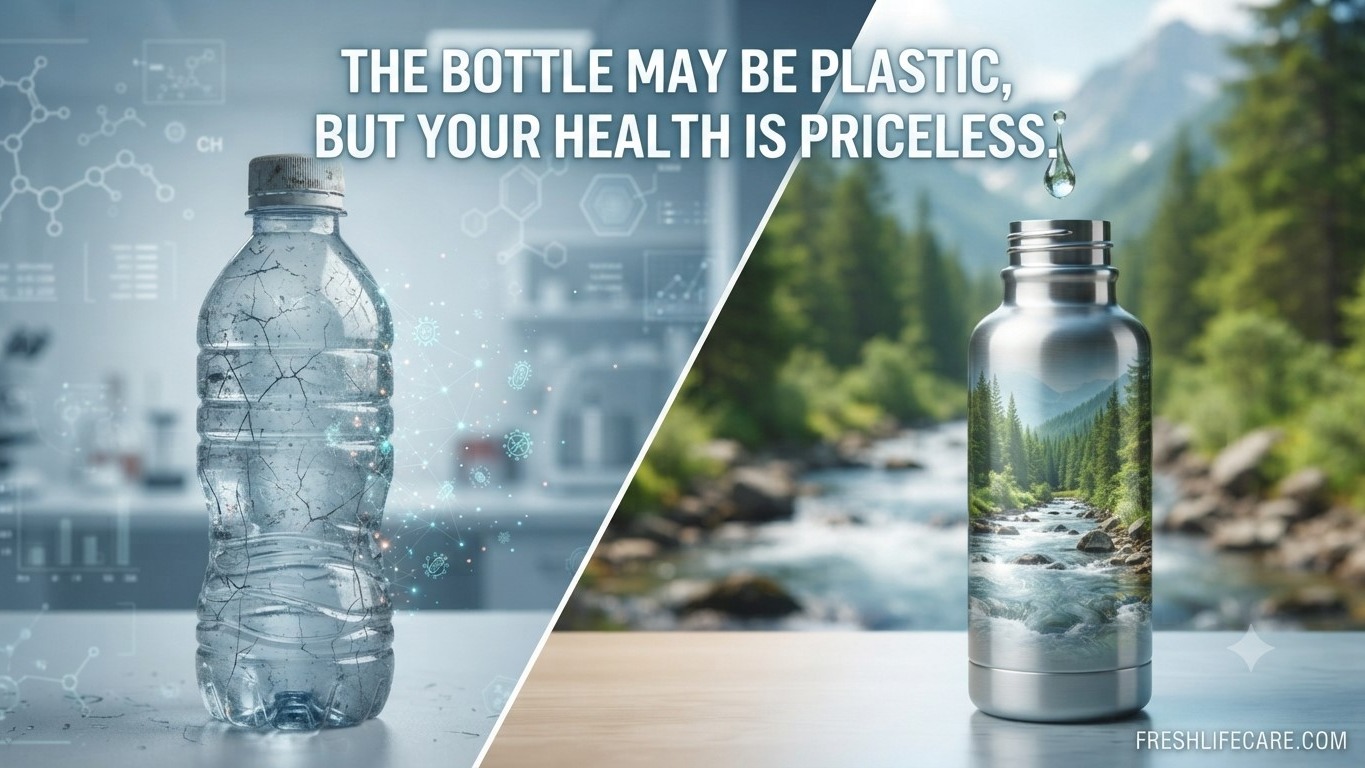
The bottle may be plastic, but your health is priceless
Plastic bottles have become an essential part of modern life. Whether we are travelling, working, exercising, or staying at home, bottled water offers a quick and convenient way to stay hydrated. However, behind this convenience lies an important question: Are plastic bottles as safe as we think?
Growing scientific interest in microplastics and chemicals associated with plastic packaging has raised concerns about the quality of the water we drink and the possible effects on human health. Factors such as heat exposure, improper storage, and repeated use of disposable bottles may influence these risks. Although scientists are still studying the long-term health effects, understanding the potential dangers is an important step towards making informed choices.
By learning about plastic bottles, adopting safer water-storage habits, and choosing suitable reusable alternatives, we can protect our well-being while reducing environmental pollution. Sometimes, a small change in our daily routine can make a big difference to our health and our planet.
How Can Plastic Bottles Affect Our Health?
Plastic bottles can release tiny plastic particles, known as microplastics and nanoplastics, under certain conditions. Research has detected these particles in bottled water, but scientists are still investigating their effects on human health.
Some plastics also contain chemical additives. Depending on the material and conditions of use, certain chemicals may migrate into the water or beverage.
It is important to remember that detecting plastic particles or chemicals does not automatically mean that a particular bottle will cause illness. The level of exposure and its possible health effects are still being studied.
Accelerated Breakdown from Heat and Sunlight
Leaving plastic bottles in hot cars, reusing them frequently, or filling them with hot liquids speeds up chemical leaching and microplastic shedding. Heat breaks down the polymer structure, releasing compounds like aldehydes and plasticizers into your beverage.
Bacterial Growth in Reused Bottles
Single-use plastic bottles are designed for one-time use. Reusing them causes micro-cracks in the plastic that harbor bacteria (such as E. coli or Staphylococcus). Without thorough sterilization, reused plastic bottles can carry more bacterial buildup than average household surfaces.
Response to Pollution Due to the Use of Plastic Bottles
The excessive use of plastic bottles is a major contributor to environmental pollution. Millions of plastic bottles are discarded every day, and many end up in rivers, oceans, open fields, and drainage systems. Since plastic takes a very long time to break down, it accumulates in the environment and gradually fragments into microplastics, which can contaminate water and soil.
Plastic bottle pollution also harms wildlife, as animals may swallow plastic pieces or become trapped in plastic waste. In addition, manufacturing and transporting disposable bottles consume energy and natural resources. Although plastic bottles provide convenience, their careless disposal creates serious environmental challenges.
To reduce this problem, we should choose reusable water bottles, avoid unnecessary single-use plastics, and recycle bottles wherever appropriate facilities are available. Small changes in our everyday habits can help protect nature and create a cleaner future for the next generation.
Key Solutions to Reduce Bottled Pollution
Extended Producer Responsibility (EPR): Mandating that beverage companies fund the collection, recycling, and disposal of the bottles they produce.
Deposit Return Schemes (DRS): Implementing container-deposit systems (where consumers get a small refund for returning bottles), which consistently achieve collection rates above 80–90% in participating regions.
Transition to Refillable Systems: Expanding access to municipal tap water refill stations and encouraging stainless steel or glass reusable containers.
Simple Habits to Reduce Plastic Bottle Risks
Carry a clean, reusable water bottle when travelling.
Avoid storing drinking water in direct sunlight for long periods.
Do not reuse single-use bottles indefinitely.
Keep bottle caps and drinking openings clean.
Recycle disposable bottles according to local recycling guidelines.
Drink enough safe water throughout the day.
Remember, staying hydrated is essential for health. If safe drinking water is available in a properly maintained plastic bottle, there is no need to panic about using it. The goal is to reduce unnecessary exposure and plastic waste while following sensible hygiene practices.
Conclusion:
In conclusion, the excessive use of plastic bottles has become a serious concern for both human health and the environment. From increasing plastic waste to polluting rivers and oceans, discarded bottles create problems that can last for generations. The presence of microplastics in drinking water has also raised important questions about long-term health effects, although further research is needed to understand the risks fully.
We cannot eliminate every plastic product overnight, but we can make responsible choices by using reusable bottles, storing drinking water safely, and disposing of plastic waste properly. Every small step counts when it comes to protecting our health and our planet.
Related Articles
Power your body with protein—build strength, boost health, and make every day stronger!
Discover why protein is essential for muscle repair, immunity, and strength. Learn the best food sources, daily intake guidelines, and how to fuel your body naturally.
Read More
Multivitamins: Necessary or a Waste of Money?
Discover whether multivitamins are truly essential or an avoidable expense. Learn the benefits, risks, and how to choose the right path for your health.
Read More
Minerals: you can't see them, but without them, your body's whole power grid goes dark.
Discover why your body needs essential minerals like calcium, iron, and magnesium. Learn top food sources and simple tips to meet your daily intake naturally.
Read More