
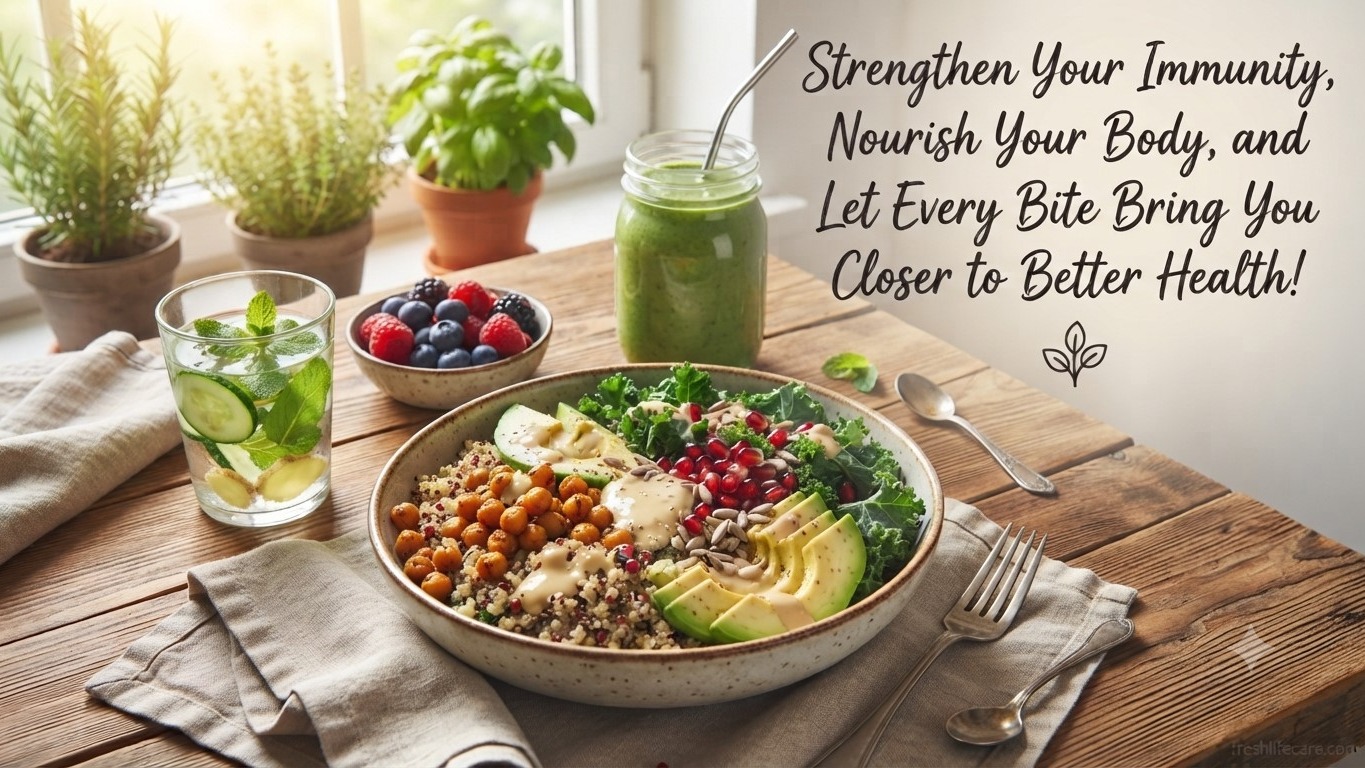
Strengthen Your Immunity, Nourish Your Body, and Let Every Bite Bring You Closer to Better Health
10 Everyday Foods That Support Your Immune System
Our immune system plays an essential role in protecting the body against harmful germs, including bacteria and viruses. A balanced diet, regular physical activity, sufficient sleep, and good hygiene all contribute to maintaining a healthy immune system.
Although no single food can prevent every infection, eating a variety of nutrient-rich foods helps the body obtain the vitamins, minerals, protein, and other nutrients it needs to function properly.
In this article, we will explore 10 everyday foods that support immune health and explain how you can include them in your daily diet.
1. Citrus Fruits
Key Nutrients: Vitamin C, antioxidants.
Why They Help: Vitamin C increases the production of white blood cells, which are key to fighting off infections. Since the body doesn’t store or produce Vitamin C, daily intake is essential.
Examples: Oranges, lemons, limes, grapefruits, and sweet limes (mosambi).
2. Garlic
Key Nutrients: Allicin, sulfur compounds.
Why They Help: Garlic contains concentrated sulfur-containing compounds like allicin, which possess natural antimicrobial and immune-boosting properties that help combat pathogens.
3. Ginger
Key Nutrients: Gingerol, antioxidants.
Why They Help: Ginger helps decrease inflammation, which can help reduce sore throats and inflammatory illnesses. It also aids digestion and helps combat nausea.
4. Spinach & Leafy Greens
Key Nutrients: Vitamin C, Vitamin A, folate, beta-carotene, and iron.
Why They Help: Spinach is packed with antioxidants and beta-carotene, which increase the infection-fighting ability of your immune system. Light cooking enhances its Vitamin A content while releasing other nutrients.
5. Yogurt & Fermented Foods
Key Nutrients: Probiotics, Vitamin D, protein.
Why They Help: Probiotics are live, beneficial bacteria that support gut health. Since a huge portion of the immune system resides in the gut, maintaining a healthy microbiome is vital.
Examples: Plain curd/yogurt, kefir, and fermented vegetables
6. Almonds & Seeds
Key Nutrients: Vitamin E, healthy fats, zinc, magnesium.
Why They Help: While Vitamin C gets most of the attention, Vitamin E is a powerful fat-soluble antioxidant crucial for immune cell function. Sunflower seeds, almonds, and pumpkin seeds are great sources.
7. Turmeric
Key Nutrients: Curcumin.
Why They Help: Curcumin gives turmeric its rich yellow color and acts as a potent anti-inflammatory compound and antioxidant. It helps modulate immune system responses and supports overall cell protection.
8. Green Tea
Key Nutrients: Epigallocatechin gallate (EGCG), L-theanine.
Why They Help: Green tea is rich in epigallocatechin gallate (EGCG), a powerful antioxidant shown to enhance immune function. It also provides L-theanine, an amino acid that aids in the production of germ-fighting compounds in your T-cells.
9. Bell Peppers (Capsicum)
Key Nutrients: Vitamin C, beta-carotene.
Why They Help: Ounce for ounce, red bell peppers contain almost twice as much Vitamin C as citrus fruits. They are also a rich source of beta-carotene, which converts to Vitamin A and helps keep skin and eyes healthy.
10. Papaya
Key Nutrients: Vitamin C, papain, folate, potassium.
Why They Help: A single medium papaya provides double the daily recommended amount of Vitamin C. It also contains a digestive enzyme called papain, which has anti-inflammatory effects.
Additional Tips for a Healthy Immune System
Food is only one part of immune health. To support your overall well-being:
Eat a balanced diet with a variety of fruits, vegetables, pulses, and whole grains.
Get sufficient, regular sleep.
Stay physically active.
Drink enough water.
Avoid smoking and limit alcohol.
Keep recommended vaccinations up to date.
Seek medical advice if you experience frequent or unusually severe infections.
Conclusion
A healthy immune system depends on many factors, including nutrition, sleep, physical activity, and access to appropriate healthcare. Citrus fruits, garlic, ginger, yogurt, leafy vegetables, nuts, eggs, pulses, colorful fruits, and turmeric can all be included in a balanced diet.
Remember that no food works like a magic shield against disease. Consistent healthy habits and a varied diet are more valuable than relying on a single so-called superfood.
Related Articles
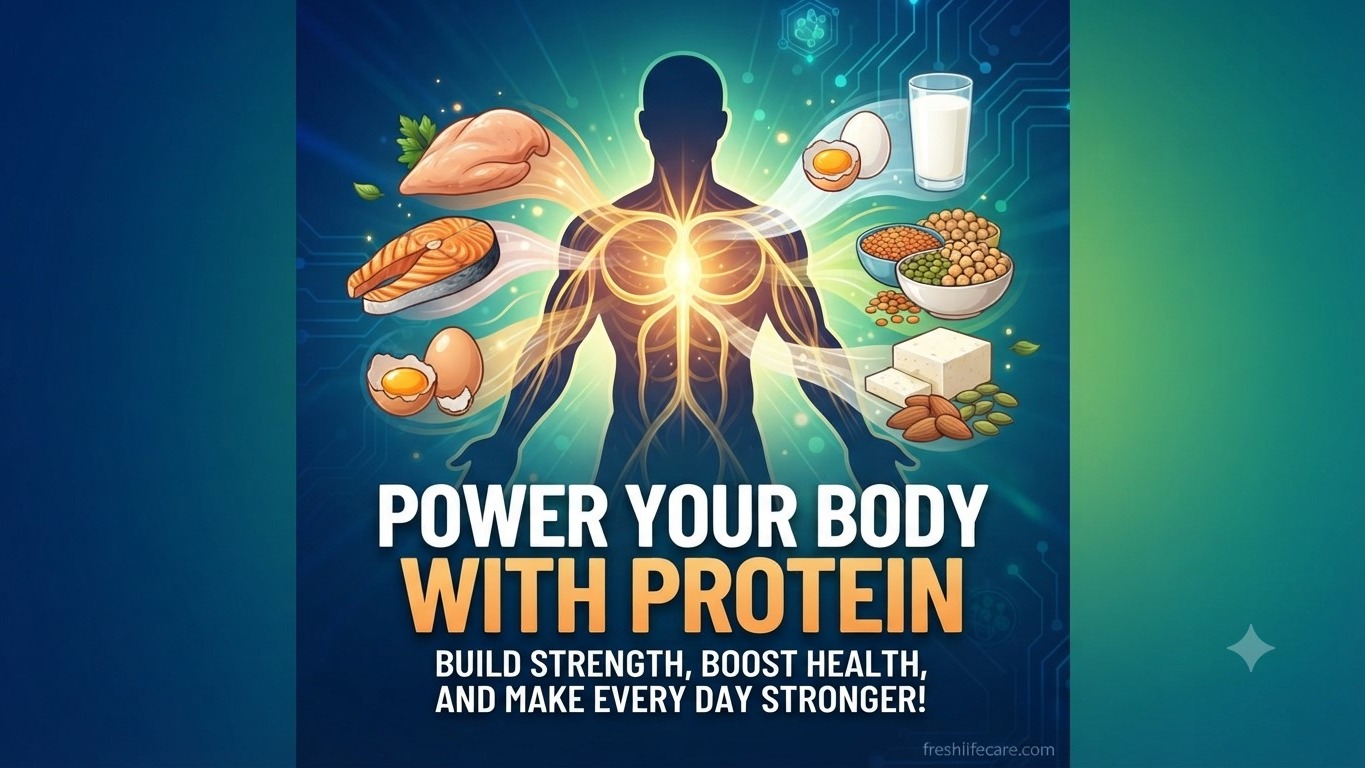
Power your body with protein—build strength, boost health, and make every day stronger!
Discover why protein is essential for muscle repair, immunity, and strength. Learn the best food sources, daily intake guidelines, and how to fuel your body naturally.
Read More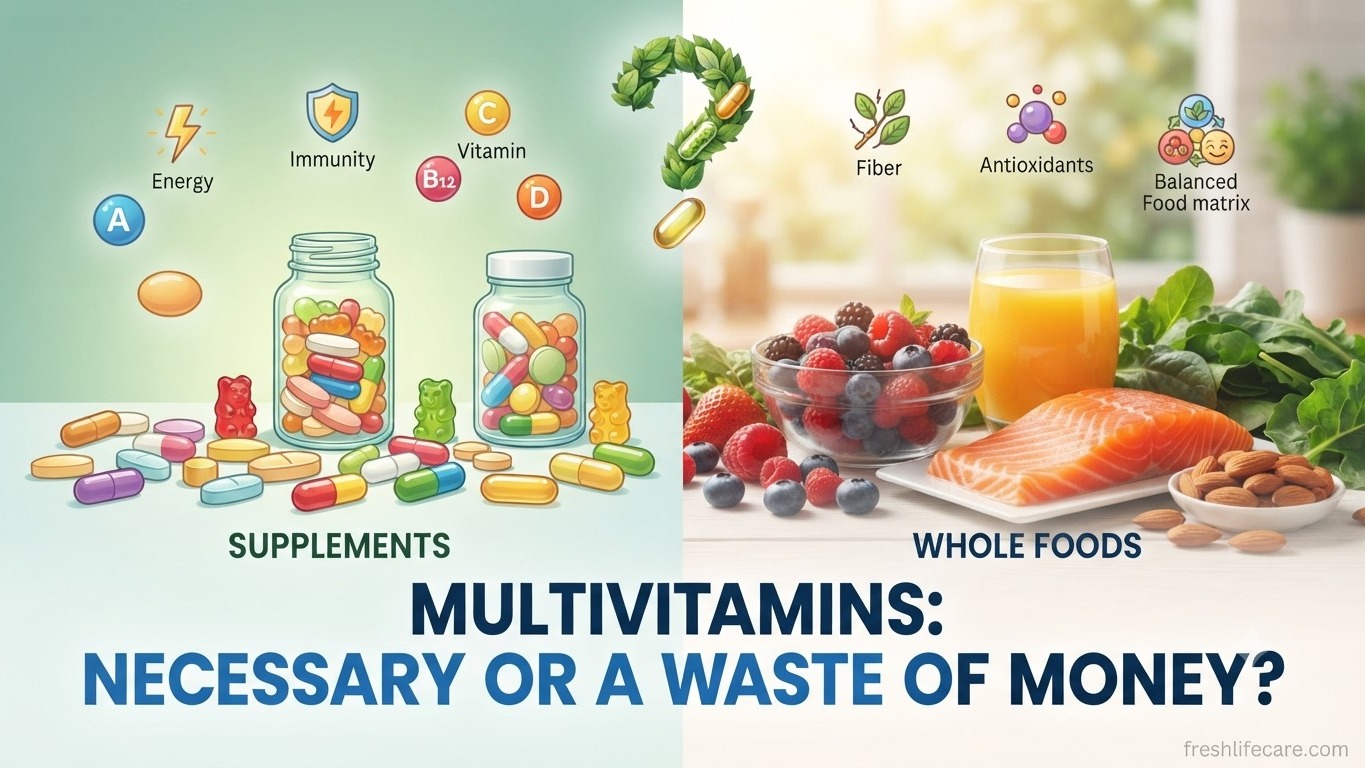
Multivitamins: Necessary or a Waste of Money?
Discover whether multivitamins are truly essential or an avoidable expense. Learn the benefits, risks, and how to choose the right path for your health.
Read More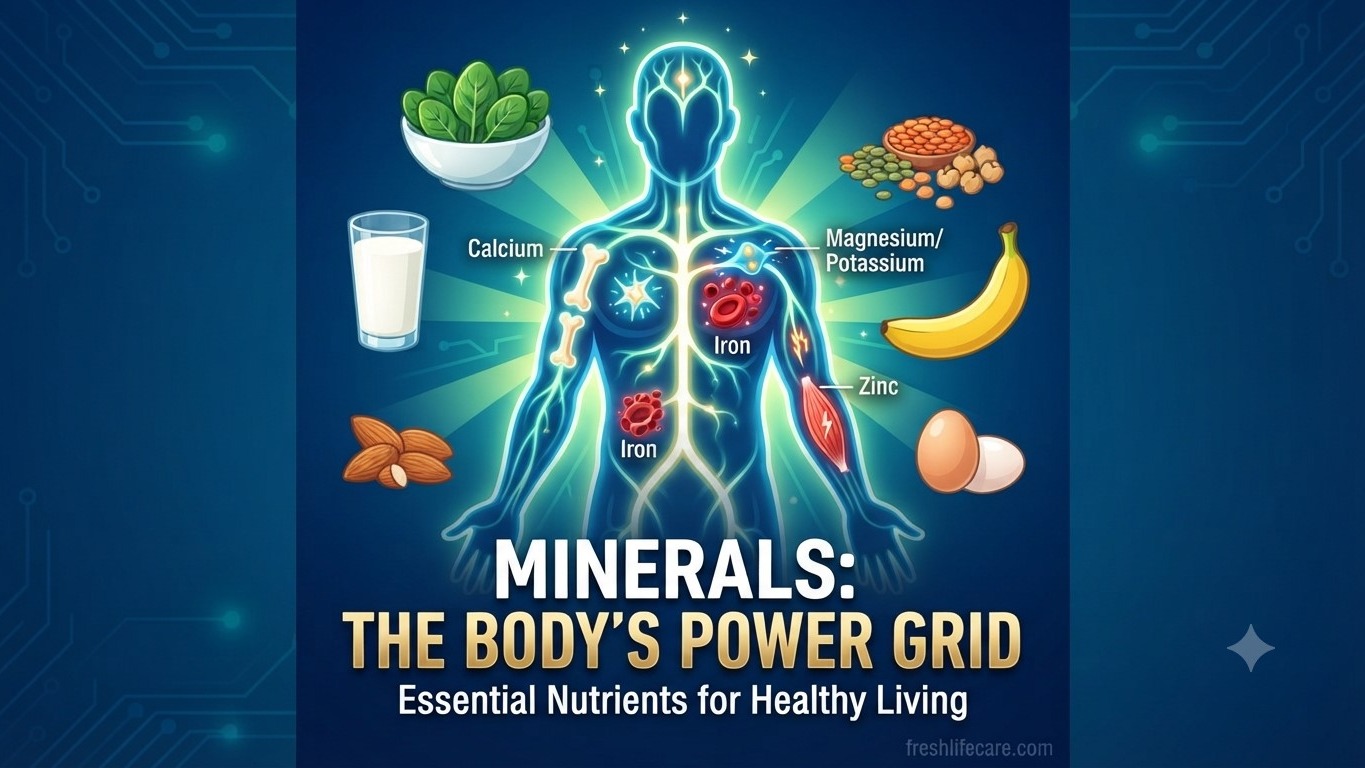
Minerals: you can't see them, but without them, your body's whole power grid goes dark.
Discover why your body needs essential minerals like calcium, iron, and magnesium. Learn top food sources and simple tips to meet your daily intake naturally.
Read More