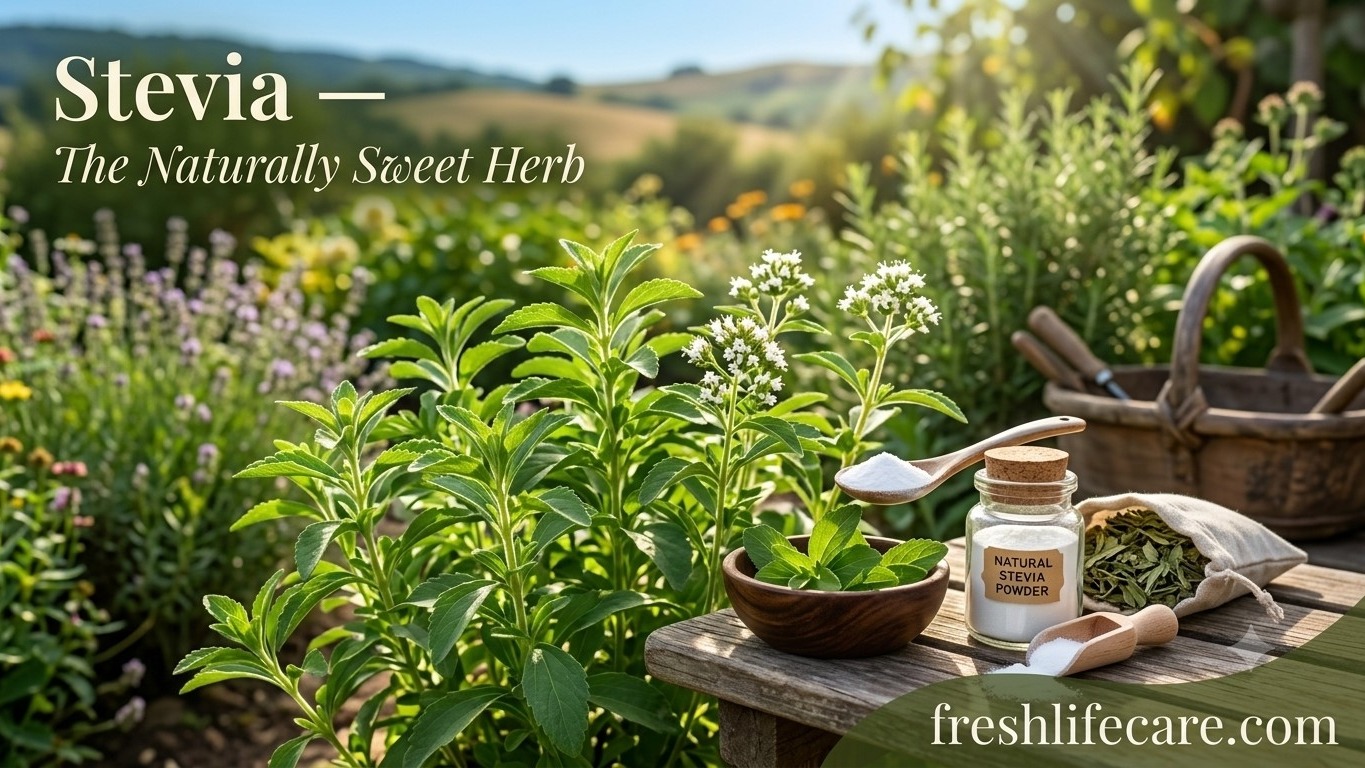
Stevia: The Naturally Sweet Herb
Stevia is a sweet-tasting herb best known as a plant-based alternative to sugar. Derived from the leaves of Stevia rebaudiana, it offers intense sweetness with little to no calories when used as a purified extract - making it popular in teas, beverages, desserts, and reduced-sugar foods. Stevia is native to South America, especially Paraguay and Brazil, where the leaves have traditionally been used to sweeten drinks.
What is stevia?
Stevia rebaudiana is a leafy perennial herb in the Asteraceae family, the same plant family as sunflowers and daisies. Its leaves contain naturally occurring compounds called steviol glycosides, including stevioside and rebaudioside A. These compounds are responsible for stevia’s strong sweetness.
Stevia is far sweeter than ordinary table sugar—commonly reported at roughly 200 to 300 times sweeter, depending on the extract and compound used. Because only a tiny amount is needed, purified stevia sweeteners can add sweetness without the calories and carbohydrates associated with sugar.
Why people use stevia
Stevia is primarily used as a sugar substitute. It can be a practical choice for people who want to reduce added sugar while still enjoying sweet foods and drinks.
Common uses include:
Sweetening tea, coffee, lemonade, and smoothies
Replacing or reducing sugar in yogurt, sauces, and desserts
Supporting lower-calorie food and drink choices
Adding sweetness without adding significant carbohydrates
Using in products made for people managing sugar intake
Unlike sugar, purified stevia sweeteners do not contribute meaningful calories or carbohydrates. They are also non-cariogenic, meaning they do not promote tooth decay in the same way that fermentable sugars can.
Stevia and blood sugar
Because stevia itself does not provide the same carbohydrate load as sugar, it may help people reduce added-sugar intake and manage the sweetness of foods without causing the same rise in blood glucose that regular sugar can cause. This is one reason it is widely used in reduced-sugar and diabetes-friendly products.
However, stevia should not be presented as a treatment or cure for diabetes, obesity, high blood pressure, or any other medical condition. Research has explored possible biological effects of stevia compounds, including antioxidant and metabolic effects, but evidence for using stevia as a medical therapy remains limited. Its best-established role is as a sweetener.
Taste and cooking tips
Stevia has a sweetness profile that differs from sugar. Some people notice a mild bitter, licorice-like, or cooling aftertaste, especially when large amounts are used. The taste can vary considerably between products because different steviol glycosides have different flavor profiles.
For best results:
Start with a very small amount because stevia is highly concentrated.
Use it in tea, coffee, smoothies, yogurt, and fruit-based recipes.
In baking, combine it with other ingredients that provide bulk and moisture, since sugar contributes more than sweetness.
Choose blends designed for baking if a recipe depends on sugar for browning, texture, or volume.
Taste as you go rather than replacing sugar by volume.
For example, a teaspoon of sugar can be replaced by only a very small pinch of pure stevia powder, but the exact amount depends on the product’s concentration. Always follow the label’s conversion guide.
Is stevia safe?
Highly purified steviol glycosides are widely used in foods and beverages and are recognized by the U.S. Food and Drug Administration as generally recognized as safe (GRAS) for their approved uses. This approval applies to high-purity stevia extracts rather than whole leaves or crude stevia extracts.
People who are pregnant, breastfeeding, managing diabetes, or taking medicine for blood pressure or blood sugar should speak with a qualified healthcare professional before using stevia supplements or taking large amounts of herbal preparations. Stevia used as an occasional food sweetener is different from using concentrated products as a remedy.
Conclusion
Stevia is more than a sugar substitute - it is a naturally sweet herb that can be grown, harvested, and enjoyed at home. Its leaves offer a simple way to add sweetness to teas, drinks, and recipes while helping reduce reliance on refined sugar.
With sunlight, well-drained soil, regular but moderate watering, and protection from frost, a stevia plant can be an easy and useful addition to a home garden or balcony. Whether used fresh or dried, this sweet herb brings together the pleasure of gardening and the practical benefit of natural sweetness.
Related Articles
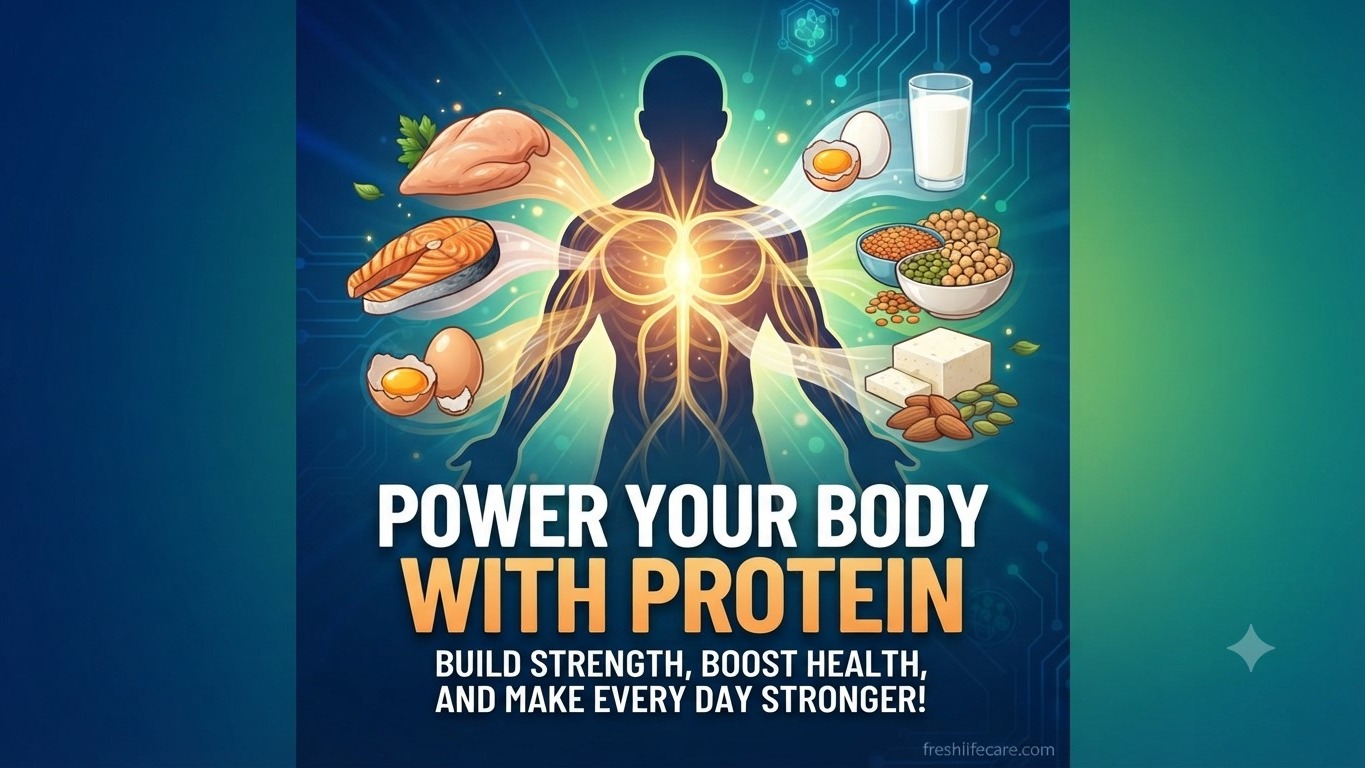
Power your body with protein—build strength, boost health, and make every day stronger!
Discover why protein is essential for muscle repair, immunity, and strength. Learn the best food sources, daily intake guidelines, and how to fuel your body naturally.
Read More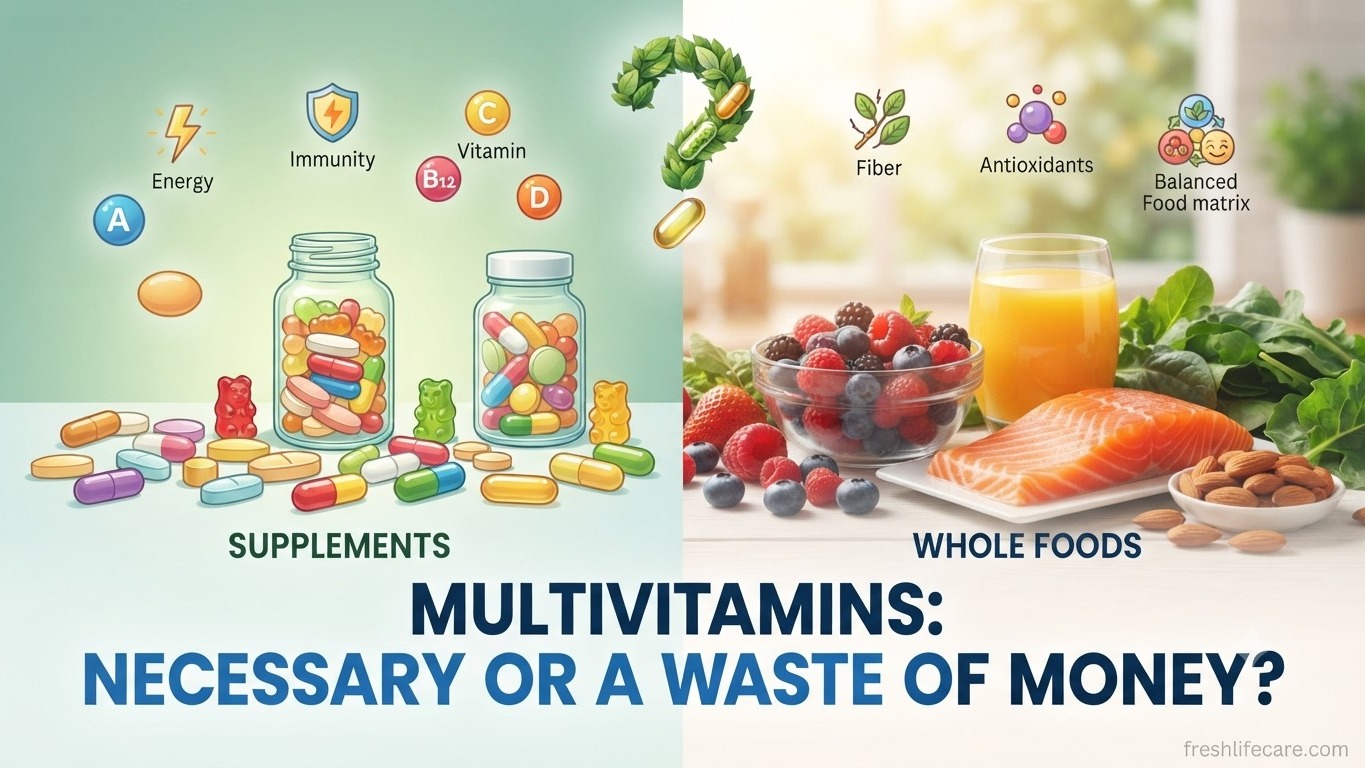
Multivitamins: Necessary or a Waste of Money?
Discover whether multivitamins are truly essential or an avoidable expense. Learn the benefits, risks, and how to choose the right path for your health.
Read More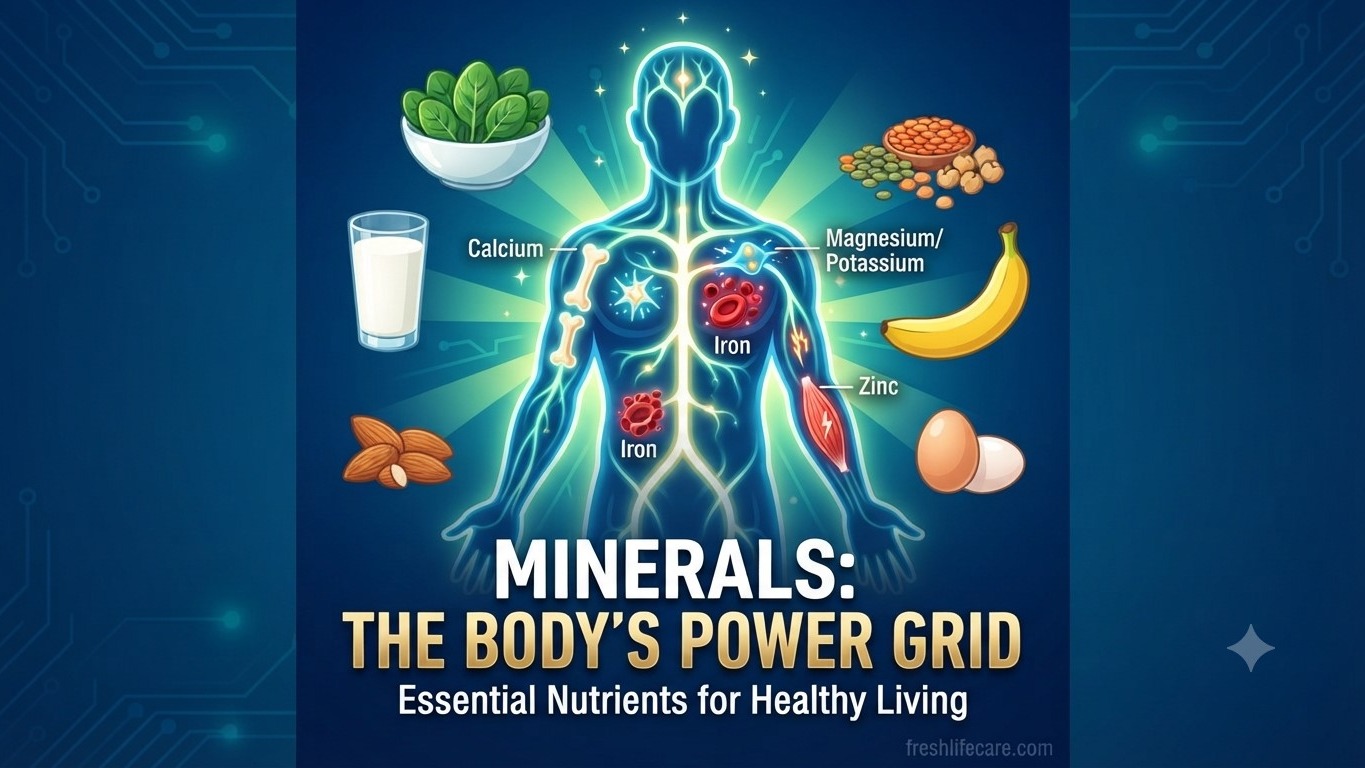
Minerals: you can't see them, but without them, your body's whole power grid goes dark.
Discover why your body needs essential minerals like calcium, iron, and magnesium. Learn top food sources and simple tips to meet your daily intake naturally.
Read More