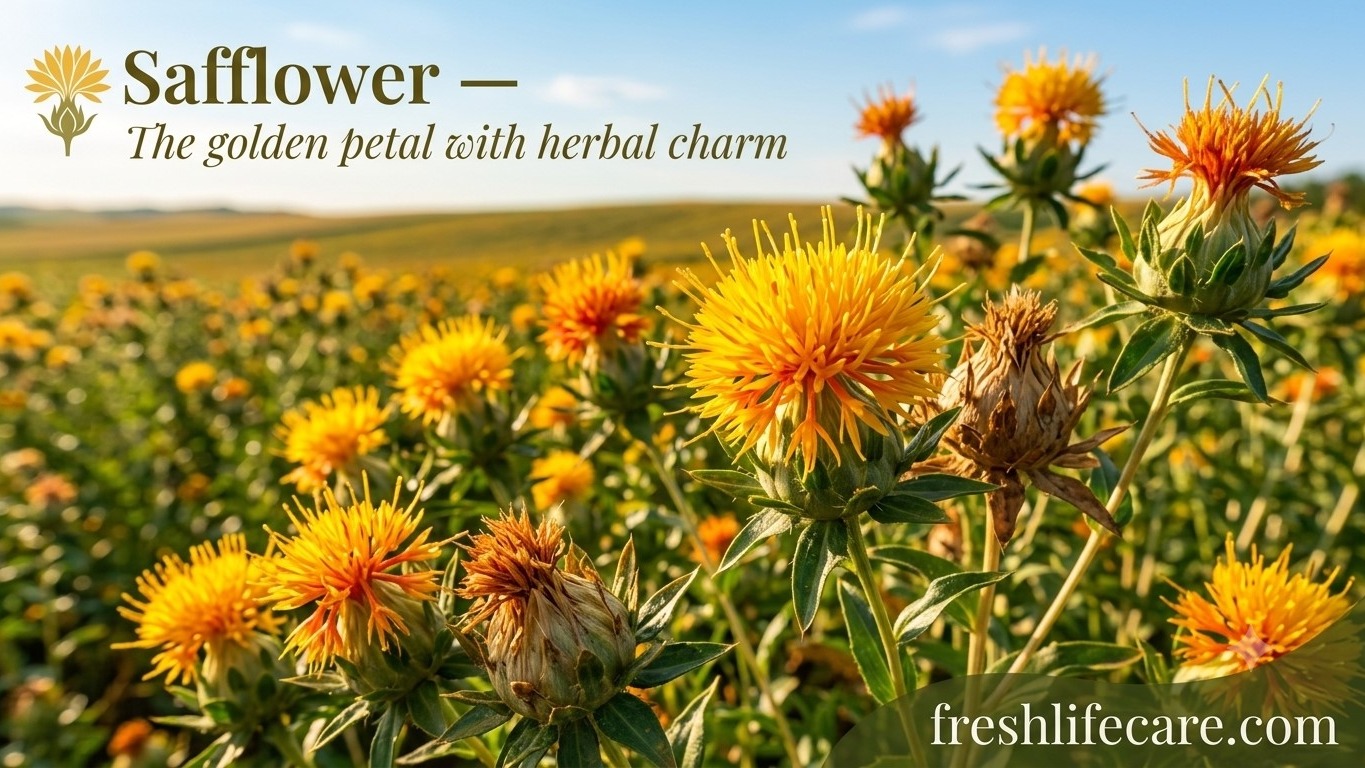
Safflower - The golden petal with herbal charm
Safflower (Carthamus tinctorius), sometimes misspelled “sufflower.” It is an annual, thistle-like herb whose dried flower petals are used as a culinary herb/spice, natural colorant, and herbal infusion.
How it is used as an herb
Dried yellow to reddish-orange safflower florets intended for human consumption.
Dried petals: Added to rice, soups, stews, broths, and teas. They give food a yellow-to-orange color and are sometimes sold as a low-cost saffron substitute, although their flavor and aroma are much milder than true saffron.
Herbal tea: Petals and stamens can be steeped in hot water as a safflower infusion.
Traditional herbal systems: In Traditional Chinese Medicine it is called hong hua. Traditional use is distinct from proven medical treatment; do not assume it will treat a health condition.
Natural dye: Historically, the flower was more important as a red/yellow dye for textiles and foods than as a seasoning.
Traditional uses
Leaf or flower teas for coughs, colds, and fevers
Poultices for wounds, bruises, and snakebites (in Native American and folk traditions)
Seed oil for skin care and as a mild emollient
Seeds as a nutritious food that supports heart and skin health
Simple safflower tea
Use only food-grade dried safflower petals:
1. Put about 1 teaspoon of dried petals in a cup.
2. Add hot water.
3. Cover and steep for 5–10 minutes.
4. Strain; drink plain or with honey, lemon, or ginger.
The flavor is generally light, mildly earthy, and floral—not like strong saffron.
Where it's grown
Mostly in Maharashtra, Karnataka, and Andhra Pradesh, with some in Telangana and Madhya Pradesh. Most Indian safflower is grown for its seeds and oil.
Globally, major producers include Kazakhstan, Russia, the USA, Mexico, and India.
Important safety note
Avoid using safflower flower as a medicinal herb during pregnancy, because traditional references describe menstrual-stimulating effects and warn about possible bleeding/pregnancy risks. It may also be inappropriate for people with bleeding disorders, ulcers, or those taking blood-thinning medicines; seek advice from a qualified clinician or pharmacist before using concentrated preparations or taking it regularly.
Safflower seed oil is a cooking oil, but it is different from using the dried flower petals as an herbal tea or spice.
Conclusion Safflower (Carthamus tinctorius) is a versatile herbal plant valued mainly for its bright yellow-orange petals. It can be used as a mild culinary spice, natural food colour, saffron substitute, and herbal tea ingredient. Although it has a long history in traditional herbal practices, it should be used carefully—especially by pregnant people or anyone taking blood-thinning medicines. Overall, safflower is best appreciated as a natural, colourful herb that adds gentle flavour and visual appeal to food and drinks.
Related Articles

Power your body with protein—build strength, boost health, and make every day stronger!
Discover why protein is essential for muscle repair, immunity, and strength. Learn the best food sources, daily intake guidelines, and how to fuel your body naturally.
Read More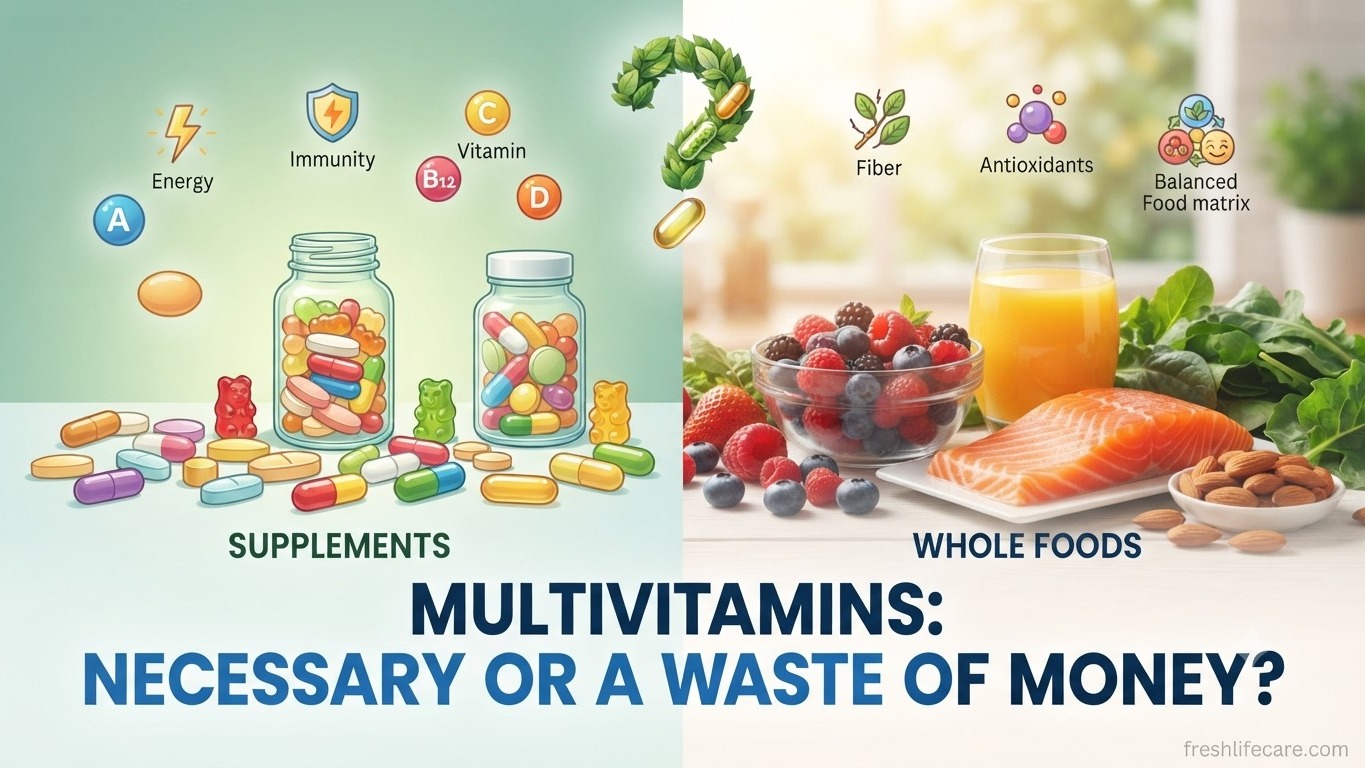
Multivitamins: Necessary or a Waste of Money?
Discover whether multivitamins are truly essential or an avoidable expense. Learn the benefits, risks, and how to choose the right path for your health.
Read More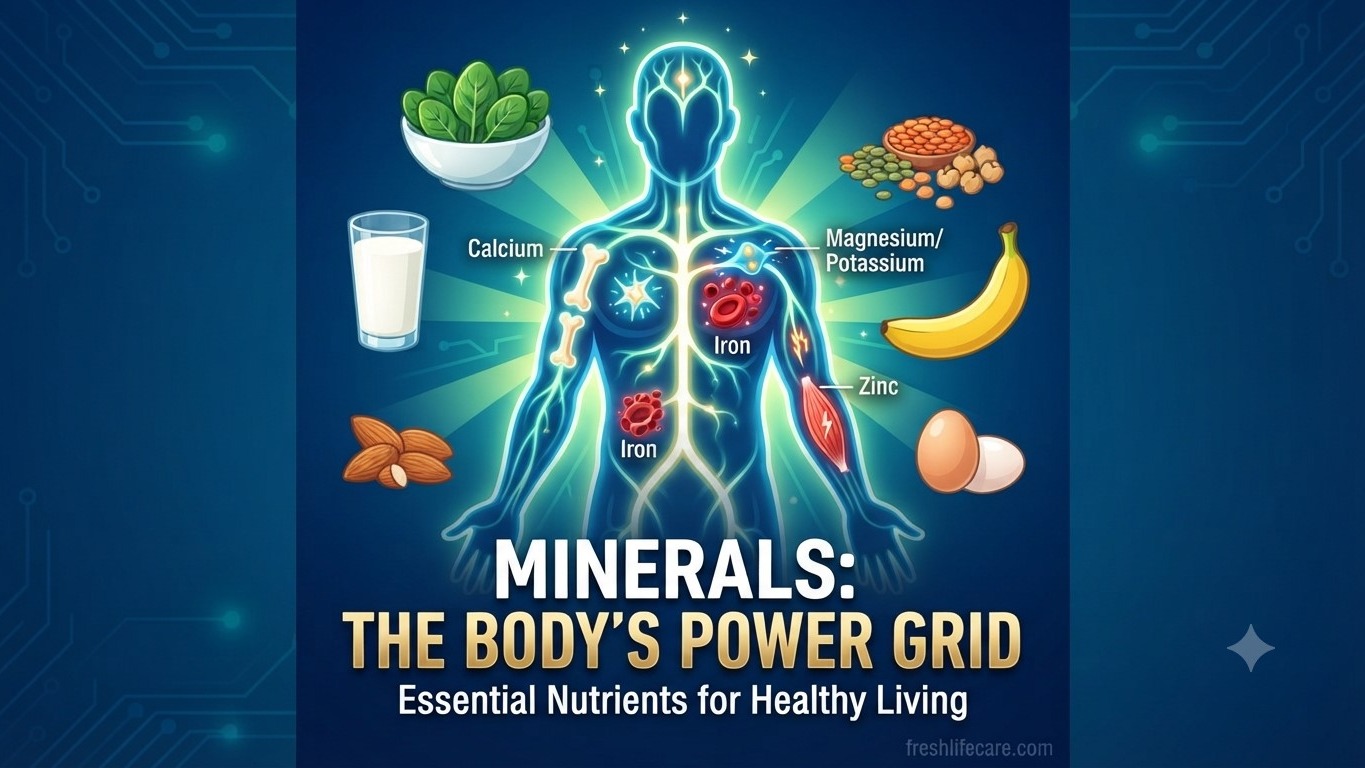
Minerals: you can't see them, but without them, your body's whole power grid goes dark.
Discover why your body needs essential minerals like calcium, iron, and magnesium. Learn top food sources and simple tips to meet your daily intake naturally.
Read More