
Protect your family today, prevent infections tomorrow-healthy habits make a healthier home
As the seasons change, our bodies face changes in temperature, humidity, and environmental conditions. During these periods, seasonal infections such as the common cold, influenza, and other respiratory illnesses can spread among family members, especially when people spend more time together indoors. Children, older adults, and people with weakened immune systems may be at greater risk of serious illness.
Protecting your family does not always require complicated measures. Simple habits such as washing hands regularly, eating balanced meals, keeping indoor spaces well ventilated, staying up to date with recommended vaccinations, and maintaining good personal hygiene can help reduce the spread of infections. By taking preventive steps and recognizing symptoms early, you can help create a healthier and safer environment for everyone at home.
Daily Hygiene & Personal Habits
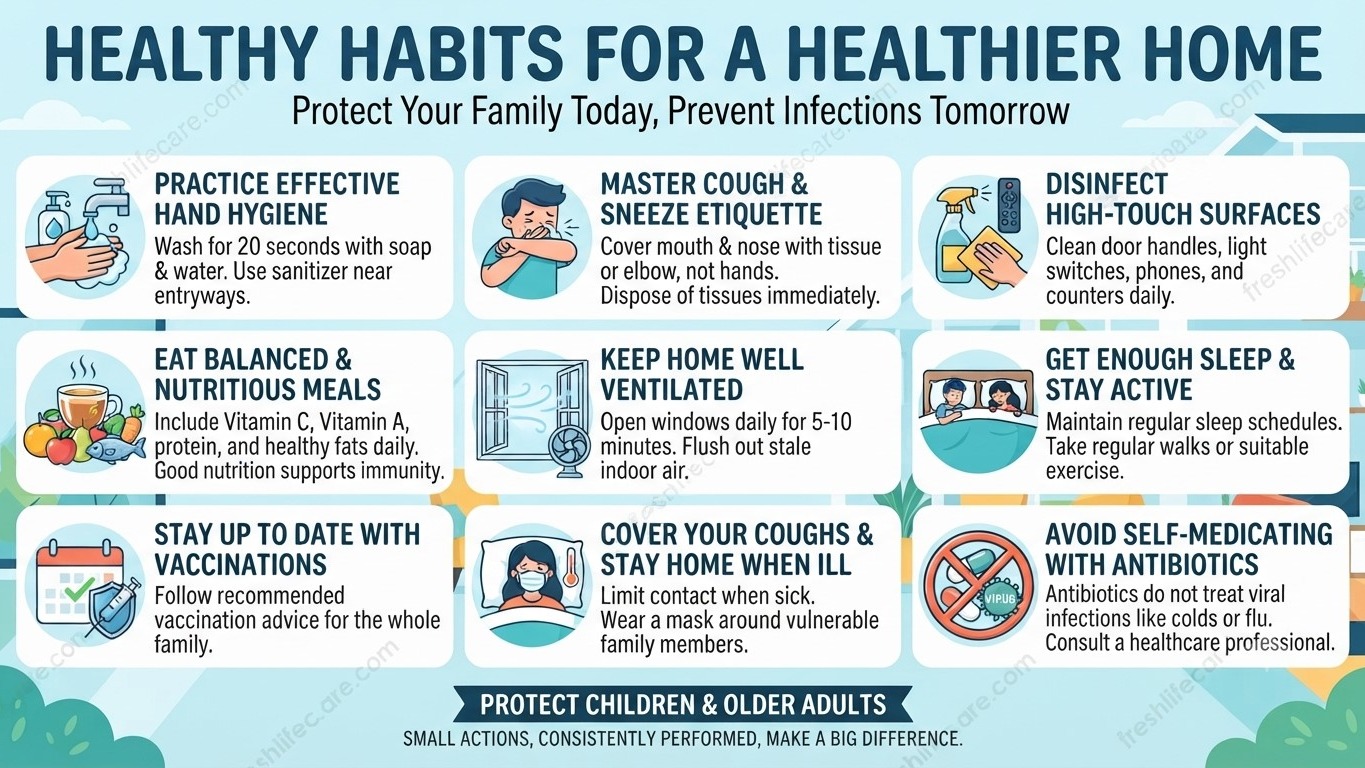
Practice Effective Hand Hygiene: Ensure family members wash their hands thoroughly with soap and water for at least 20 seconds, especially after returning home, before meals, and after coughing or sneezing. Keep alcohol-based hand sanitizers accessible near entryways and in travel bags.
Master Cough & Sneeze Etiquette: Teach children to cover their mouth and nose with a tissue or the inside of their elbow—never their bare hands—when coughing or sneezing. Dispose of used tissues immediately.
Avoid Sharing Personal Items: Discourage sharing towels, utensils, water bottles, and pillows during peak cold and flu months to minimize cross-contamination among household members.
Home Environment & Sanitation
Disinfect High-Touch Surfaces: Clean frequently touched household items daily, including door handles, light switches, TV remotes, phone screens, water taps, and kitchen counters.
Maintain Healthy Indoor Humidity: Keep indoor relative humidity levels between 30% and 50% using a cool-mist humidifier. Moist air keeps nasal passages hydrated, making it easier for the body's natural mucous membrane barrier to trap and expel viral particles.
Ventilate Spaces Periodically: Open windows for 5–10 minutes daily during warmer afternoon hours to allow fresh air to circulate and flush out stagnant indoor pollutants and viral particles.
Eat a Balanced and Nutritious Diet:
Good nutrition supports the normal functioning of the immune system. Include a variety of fruits, vegetables, whole grains, protein-rich foods, and healthy fats in your family's daily meals.
Some healthy choices include:
Vitamin C sources: Oranges, guava, amla, and lemons.
Vitamin A sources: Carrots, sweet potatoes, and leafy greens.
Protein sources: Eggs, lentils, beans, fish, and other suitable foods.
Healthy fats: Nuts, seeds, and other sources of unsaturated fats.
No single food can prevent seasonal infections. A balanced diet, combined with other healthy habits, provides a stronger foundation for overall health.
Keep Your Home Clean and Well Ventilated
Respiratory infections can spread through the air, particularly in crowded or poorly ventilated indoor spaces.
Follow these precautions:
Open windows when outdoor conditions allow safe ventilation.
Clean frequently touched surfaces regularly.
Avoid sharing personal items such as towels and toothbrushes.
Keep kitchens and bathrooms clean.
Avoid smoking indoors.
Good ventilation is particularly important when someone in the household has a respiratory infection.
Get Enough Sleep and Stay Physically Active
Healthy daily routines support general well-being and immune function.
Maintain a regular sleep schedule.
Encourage children to get age-appropriate sleep.
Take regular walks or participate in suitable physical activities.
Avoid excessive stress and make time for relaxation.
Adequate sleep and regular activity support health, although they cannot guarantee protection against infections.
Cover Your Coughs and Sneezes
To reduce the spread of illness:
Cover your mouth and nose with a tissue when coughing or sneezing.
Dispose of used tissues immediately.
Wash your hands afterward.
If you have respiratory symptoms, consider wearing a well-fitting mask around others, especially vulnerable family members.
Stay home and limit close contact with others when you are ill, as far as practical.
These small actions can help protect other people in your household and community.
Protect Children and Older Adults
Children and older adults may be more vulnerable to complications from certain infections. Extra care is especially important for family members with chronic illnesses or weakened immune systems.
Make sure they receive appropriate medical care, follow recommended vaccination advice, maintain good hygiene, and get sufficient rest.
Seek prompt medical advice if symptoms worsen or if a vulnerable family member becomes unwell.
Avoid Self-Medicating With Antibiotics
Not all seasonal infections require antibiotics. Colds and influenza are caused by viruses, and antibiotics do not treat viral infections.
Do not take leftover antibiotics or give prescription medicines to family members without appropriate medical advice. A healthcare professional can help determine whether testing or treatment is necessary.
Conclusion
Seasonal infections are a common concern, but simple preventive habits can help reduce the risk of illness and protect the people we love. Maintaining hand hygiene, eating a balanced diet, improving indoor ventilation, following vaccination recommendations, and staying home when sick are practical steps every family can take.
Remember that protecting your family's health is a shared responsibility. Small actions performed consistently can help make your home a safer and healthier place throughout the year.
Related Articles

Power your body with protein—build strength, boost health, and make every day stronger!
Discover why protein is essential for muscle repair, immunity, and strength. Learn the best food sources, daily intake guidelines, and how to fuel your body naturally.
Read More
Multivitamins: Necessary or a Waste of Money?
Discover whether multivitamins are truly essential or an avoidable expense. Learn the benefits, risks, and how to choose the right path for your health.
Read More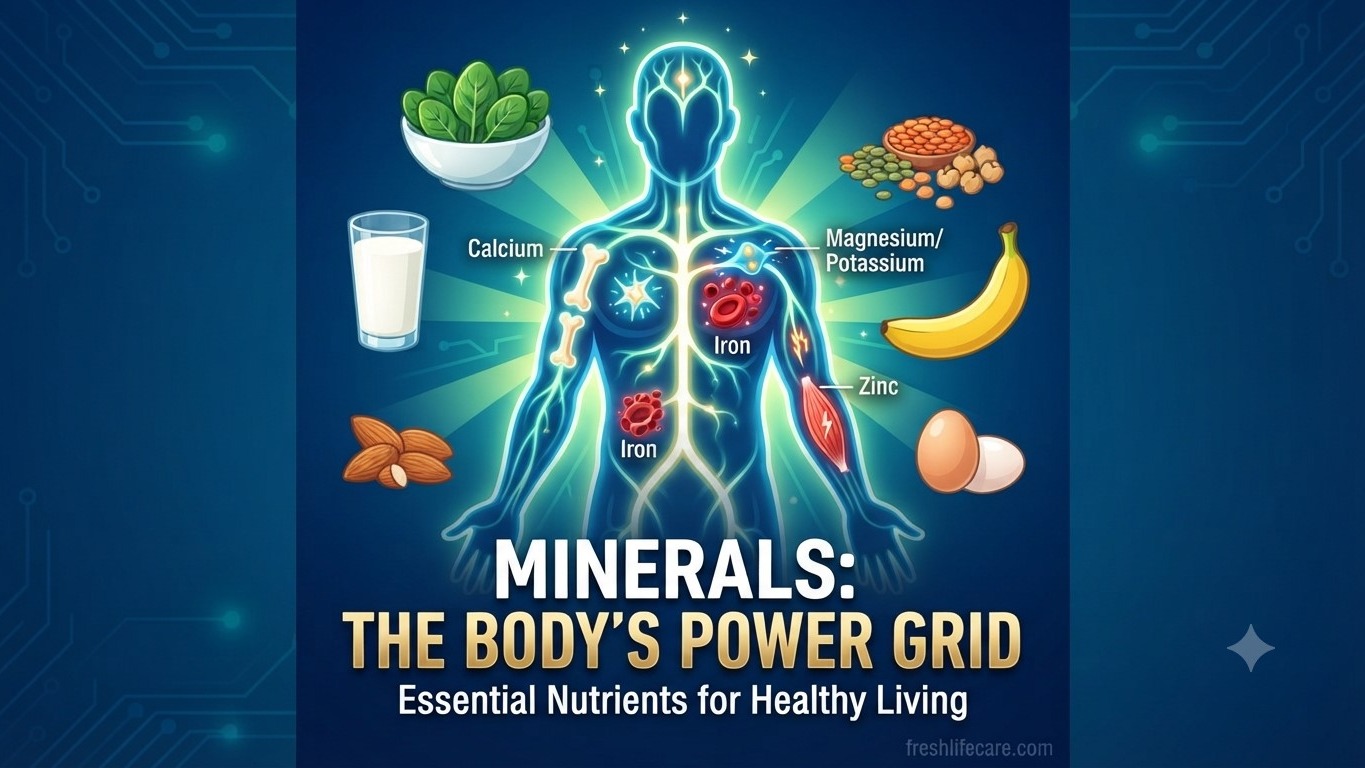
Minerals: you can't see them, but without them, your body's whole power grid goes dark.
Discover why your body needs essential minerals like calcium, iron, and magnesium. Learn top food sources and simple tips to meet your daily intake naturally.
Read More