
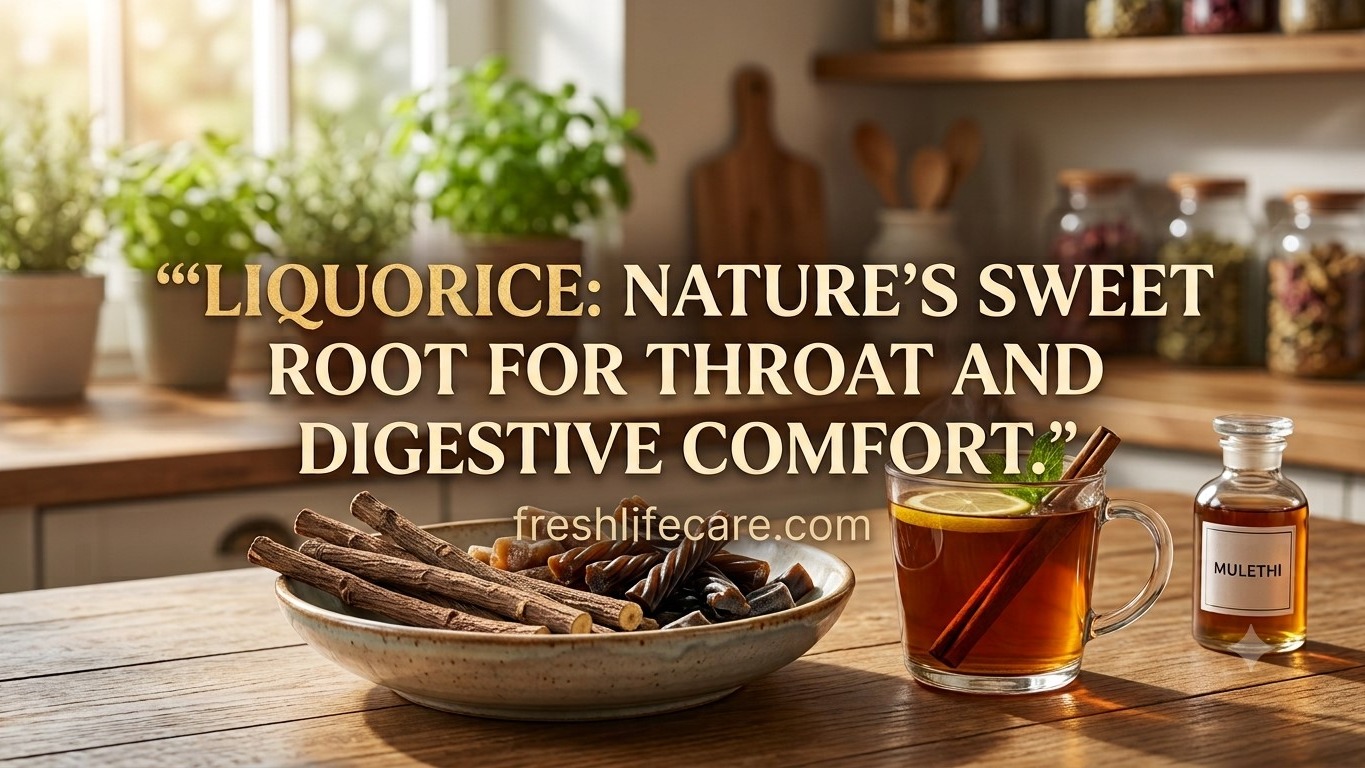
Liquorice: nature’s sweet root for throat and digestive comfort
Liquorice is a sweet-rooted medicinal herb, mainly from Glycyrrhiza glabra. Its dried roots are traditionally used in teas, cough preparations, and digestive remedies, but regular or high-dose use can raise blood pressure and cause serious side.
Parts used
Root and rhizome: The only part used, dried and powdered, or extracted for syrups, lozenges, and teas.
Where liquorice (Glycyrrhiza glabra) grows
Native range
Southern Europe, the Middle East, and Central and Southwest Asia (the Mediterranean region through Iran and Afghanistan).
Major producers
China, Iran, Afghanistan, Turkey, Uzbekistan, Russia, Italy, and Spain. Much of the world's supply is still harvested from wild stands, with some cultivation.
In India
It is not widely grown, and most of the mulethi sold in India is imported, mainly from Afghanistan, Iran, and Central Asia.
Limited cultivation has been tried in Jammu and Kashmir, Punjab, Haryana, and parts of the Himalayan foothills, but production is small.
Growing conditions
Prefers temperate to subtropical, dry climates with hot summers and mild winters.
Needs deep, sandy or loamy, well-drained soil and full sun. Waterlogged soil is a problem.
The deep roots take about 3 to 4 years to reach harvest size, which is part of why it's mostly wild-collected.
It is usually propagated from root cuttings (runners) rather than seed.
West Bengal note: The hot, humid, high-rainfall climate and heavy soils here are not well suited to liquorice, so buying dried root is far more practical than growing it. Kolkata's herbal markets and online stores sell it.
Traditional uses
Cough, sore throat, and hoarseness: The most common use, as mulethi tea or chewed sticks.
Digestion and acidity: Used for gastritis, ulcers, and heartburn. A form called DGL (deglycyrrhizinated licorice) is used for this because the glycyrrhizin has been removed.
Ayurveda: Considered cooling and rejuvenating, and it features in many cough syrups and hair and skin preparations.
Flavoring: Used in candy, tea blends, and some tobacco.
Major safety warning
Ordinary liquorice contains glycyrrhizin, which can cause the body to retain sodium and water while losing potassium. This may lead to high blood pressure, swelling, muscle weakness, low potassium, irregular heartbeat, and, rarely, cardiac arrest, particularly with large quantities or prolonged use.
Avoid medicinal liquorice or seek medical advice first if you:
Have high blood pressure, heart disease, kidney disease, or liver disease
Have low potassium or a history of irregular heartbeat
Are pregnant or breastfeeding
Take diuretics (“water tablets”), digoxin, corticosteroids, medicines for blood pressure, or other medicines that affect potassium or heart rhythm
Have diabetes or are on multiple regular medicines.
Conclusion
Liquorice root is a naturally sweet herb traditionally used to soothe coughs and throats and support mild digestive discomfort. Its benefits should be balanced against a significant safety risk from glycyrrhizin: use small amounts, only for short periods, and avoid self-treatment with concentrated liquorice if you have blood-pressure, heart, kidney, or pregnancy-related concerns.
Related Articles

Power your body with protein—build strength, boost health, and make every day stronger!
Discover why protein is essential for muscle repair, immunity, and strength. Learn the best food sources, daily intake guidelines, and how to fuel your body naturally.
Read More
Multivitamins: Necessary or a Waste of Money?
Discover whether multivitamins are truly essential or an avoidable expense. Learn the benefits, risks, and how to choose the right path for your health.
Read More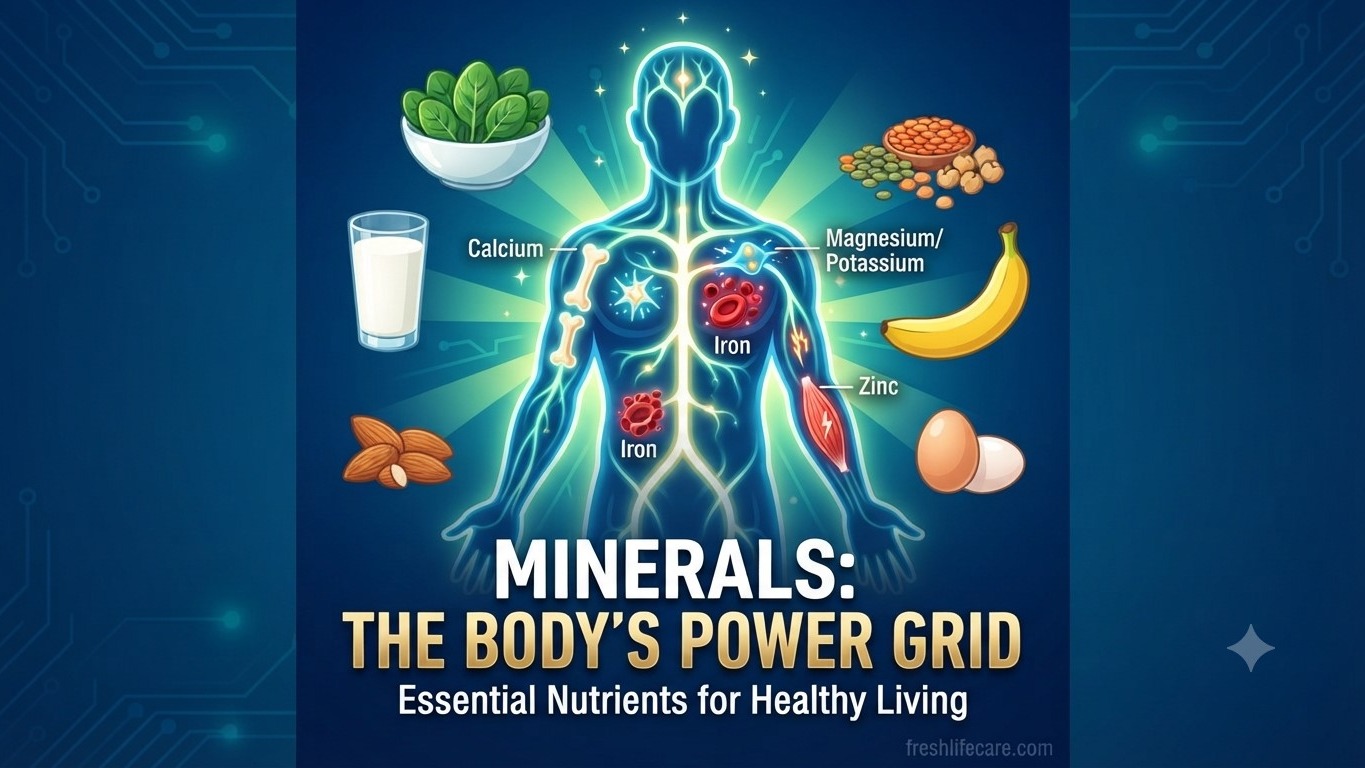
Minerals: you can't see them, but without them, your body's whole power grid goes dark.
Discover why your body needs essential minerals like calcium, iron, and magnesium. Learn top food sources and simple tips to meet your daily intake naturally.
Read More