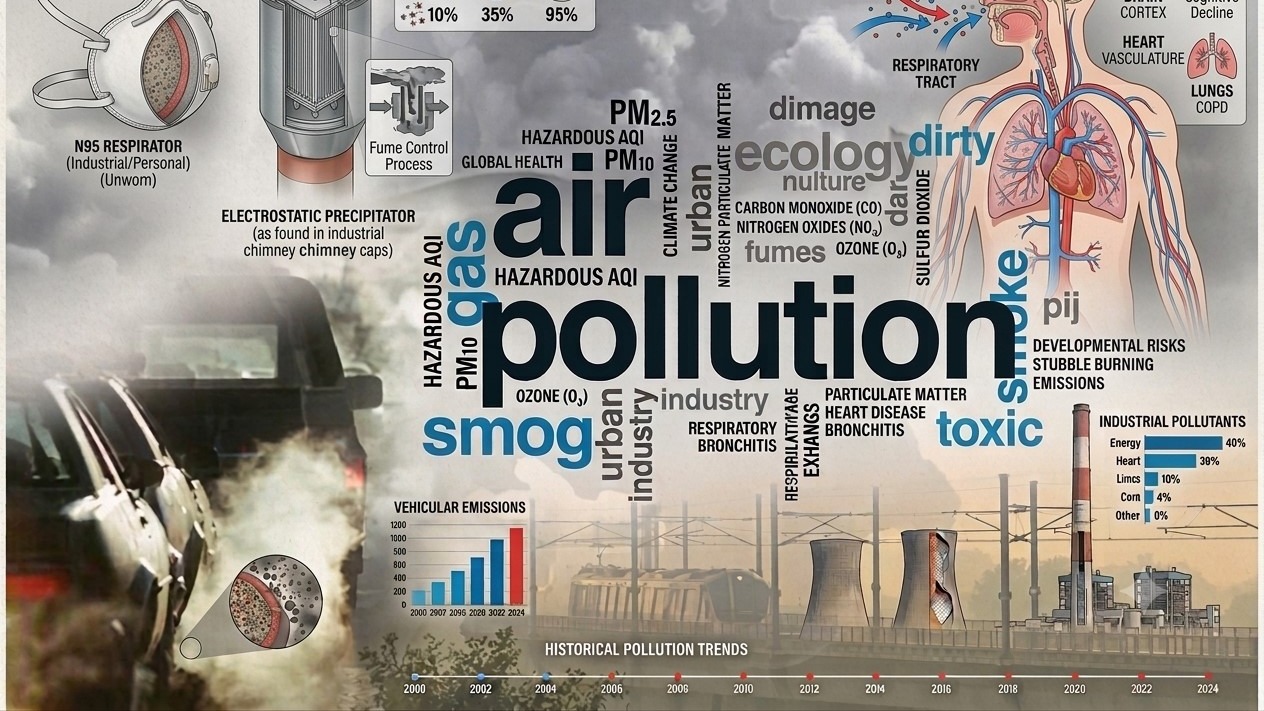
How Air Pollution Systematically Damages Human Health and Daily Life
Air pollution is often referred to as a "silent pandemic." Unlike immediate environmental hazards, toxic air operates quietly, infiltrating the human body with every breath. According to the World Health Organization (WHO), air pollution causes approximately 7 million premature deaths globally every year, making it one of the largest single environmental health risks of the modern era.
While air quality was once viewed primarily as a local respiratory issue, decades of toxicological and epidemiological research demonstrate that ambient and household air pollution impacts nearly every organ system in the human body while dramatically reshaping the economic and personal quality of life.
The Root Cause: How Pollutants Enter the Body
The primary driver of severe health damage is fine particulate matter, specifically PM2.5 (particles measuring 2.5 micrometers or smaller in diameter—roughly 1/30th the width of a human hair).
Because these particles are so microscopic, the body's natural defense mechanisms—such as nasal hair and mucus—cannot filter them out. Once inhaled:
They travel deep into the alveoli (air sacs) of the lungs.
They cross the alveolar-capillary membrane directly into the bloodstream.
The blood carries these toxic particles, heavy metals, and organic compounds to vital organs, triggering systemic inflammation, oxidative stress, and cellular damage throughout the body.
1. Direct Physical Impacts on organ systems
The Respiratory System: Immediate & Chronic Damage:
The lungs serve as the initial point of contact for air pollutants like ozone O3), nitrogen dioxide NO2), and particulate matter.
Short-term: Coughing, wheezing, eye irritation, throat soreness, and asthma flare-ups.
Long-term: Chronic Obstructive Pulmonary Disease (COPD), reduced lung capacity in children, and elevated risk of lung cancer due to prolonged exposure to carcinogens in toxic air.
Chronic Disease: Prolonged exposure leads to Chronic Obstructive Pulmonary Disease (COPD), irreversible lung tissue scarring, and elevated rates of severe childhood asthma.
Carcinogenicity: The International Agency for Research on Cancer (IARC) classifies outdoor air pollution and particulate matter as a Group 1 carcinogen, directly linked to lung cancer.
Cardiovascular System (Heart & Blood Vessels):
Blood Clots & High Blood Pressure: Ultrafine particles enter blood vessels, causing inflammation, arterial stiffness, and blood vessel constriction.
Heart Attacks & Strokes: Chronic inflammation leads to plaque buildup in arteries (atherosclerosis), significantly raising the risk of heart failure and ischemic strokes.
Neurological System (Brain & Nervous System):
Cognitive Decline: Pollutants crossing the blood-brain barrier induce neuroinflammation, which is linked to accelerated memory loss, higher rates of dementia, and Alzheimer's disease in adults.
Child Development: In pregnant women, exposure to polluted air impairs fetal brain development, contributing to lower IQ, ADHD risk, and behavioral issues in children.
Metabolic, Endocrine & Endocrine Systems:
Diabetes Risk: Fine dust particles impair cellular response to insulin, raising the risk of developing Type 2 diabetes.
Reproductive Health: Air pollution is linked to higher rates of infertility, miscarriages, premature birth, and low birth weight in infants.
Maternal & Fetal Harm: Inhaled pollutants alter placental function, leading to higher rates of miscarriages, premature birth, hypertensive pregnancy disorders, and low birth weight in newborns.
2. Impact on Daily Life & Quality of Life
Life Expectancy: Reduces global average life expectancy by 1.8 to 3+ years in heavily polluted cities (equivalent to or higher than the impact of smoking).
Economic Burden: High medical expenditures for chronic treatments, inhalers, and hospitalizations, combined with lost wages.
Loss of Productivity: Increases sick leave for workers and school absenteeism among children suffering from respiratory infections.
Lifestyle Restrictions: Forces individuals to avoid outdoor sports, exercising, or leisure activities during heavy smog periods, contributing to sedentary behavior and mental burnout.
Conclusion & Outlook
Air pollution is a systemic crisis that taxes every organ in the human body. Mitigating its impacts requires coordinated public policy—transitioning to clean energy, enforcing strict industrial emissions standards, and upgrading public transit—alongside personal protective measures like wearing N95 masks and using indoor HEPA filtration during peak pollution events.
Related Articles

The Truth about Breast Enhancement: Separating Marketing Myths from Medical Realities
Planning breast augmentation? Separate marketing promises from medical reality. Learn the truth about exercises, creams, implants, and surgical safety.
Read More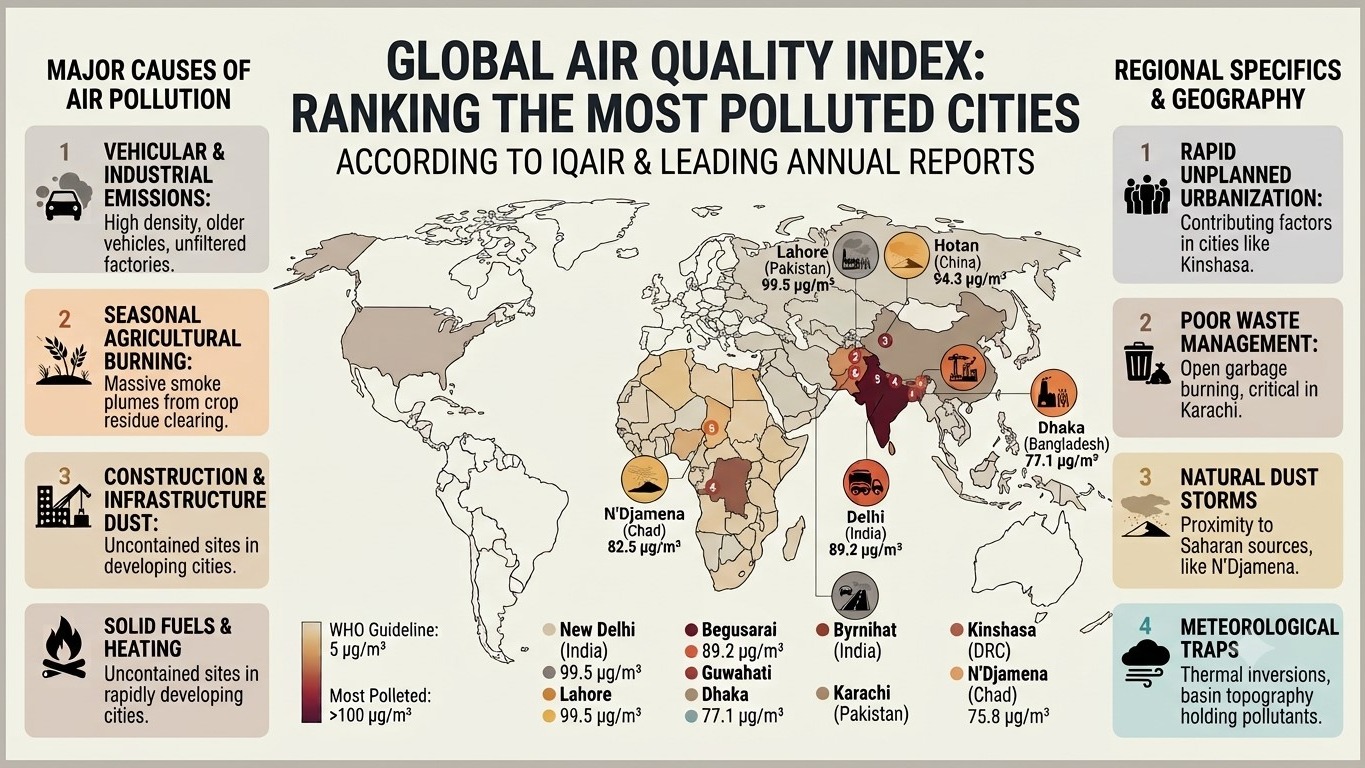
Global Air Quality Index: Ranking the Most Polluted Cities
Which cities have the worst air quality? Check out the latest global AQI rankings, primary drivers of air pollution, and key data from leading annual reports.
Read More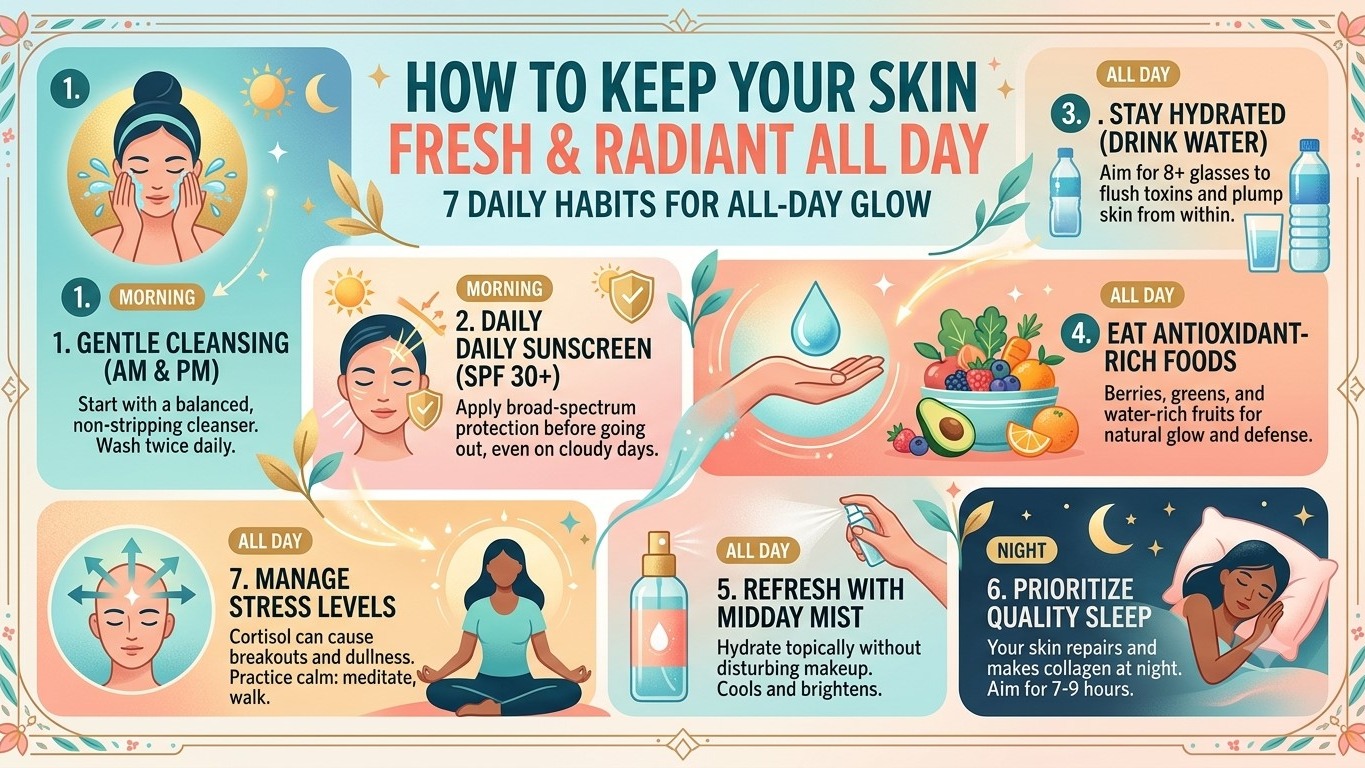
How to Keep Your Skin Fresh and Radiant All Day. 7 Daily Habits for All-Day Glow
Learn how to keep your skin fresh and glowing from morning to night. Follow these 7 easy daily habits for healthy, radiant skin. Read more!
Read More