
High Blood Pressure Problem? Keep These Foods on Your Plate Every Day, Say Nutrition Experts
High blood pressure (High Blood Pressure) has become a common health concern today. An unhealthy lifestyle, poor dietary habits, and mental stress are some of the major factors that contribute to this condition. Earlier, high blood pressure was mostly seen in older adults, but nowadays even younger people are becoming victims due to irregular and unbalanced lifestyles. High blood pressure is often called the “Silent Killer” because it can lead to heart failure, heart attack, and stroke, increasing the risk of death.
As per to the World Health Organization (WHO), one in every three adults worldwide suffers from high blood pressure. Many people are unaware that they have this condition. If not controlled in time, high blood pressure can lead to several serious health problems. Experts suggest that maintaining a healthy diet is one of the most effective ways to manage blood pressure.
1. Fruits and Vegetables
Regular consumption of fruits and vegetables can help manage high blood pressure. Fruits such as bananas, apples, pomegranates, oranges, grapes, lemons, and berries, along with vegetables like broccoli, tomatoes, cauliflower, and leafy greens, contain essential nutrients such as potassium, magnesium, calcium, antioxidants, and vitamin C. These nutrients help maintain healthy blood pressure levels. Bananas are particularly rich in potassium, while citrus fruits provide vitamin C and potassium.
2. Watermelon
Watermelon is an excellent summer fruit that may help regulate blood pressure. It contains potassium, which helps balance sodium levels in the body. Watermelon is also rich in vitamin C and antioxidants that reduce inflammation and improve blood circulation, contributing to better blood pressure control.
3. Oats
Adding oats to your breakfast can be beneficial if you have high blood pressure. Oats are rich in fiber, potassium, and antioxidants. The fiber in oats supports digestion, helps control cholesterol levels, and reduces the buildup of excess fat, all of which contribute to maintaining balanced blood pressure.
4. Yogurt
Excess sodium in the body is one of the major causes of high blood pressure. Potassium helps counteract the effects of sodium and keeps blood vessels relaxed. Yogurt is a good source of potassium and calcium, both of which play an important role in maintaining healthy blood pressure levels. Including yogurt in your daily diet may therefore help support blood pressure management.
Conclusion: High blood pressure is a serious but manageable condition. A balanced diet rich in fruits, vegetables, watermelon, oats, and yogurt can support healthy blood pressure levels and improve overall heart health. Along with healthy eating, regular exercise, stress management, adequate sleep, and routine health check-ups are essential for maintaining optimal blood pressure and reducing the risk of heart disease and stroke.
Related Articles

Power your body with protein—build strength, boost health, and make every day stronger!
Discover why protein is essential for muscle repair, immunity, and strength. Learn the best food sources, daily intake guidelines, and how to fuel your body naturally.
Read More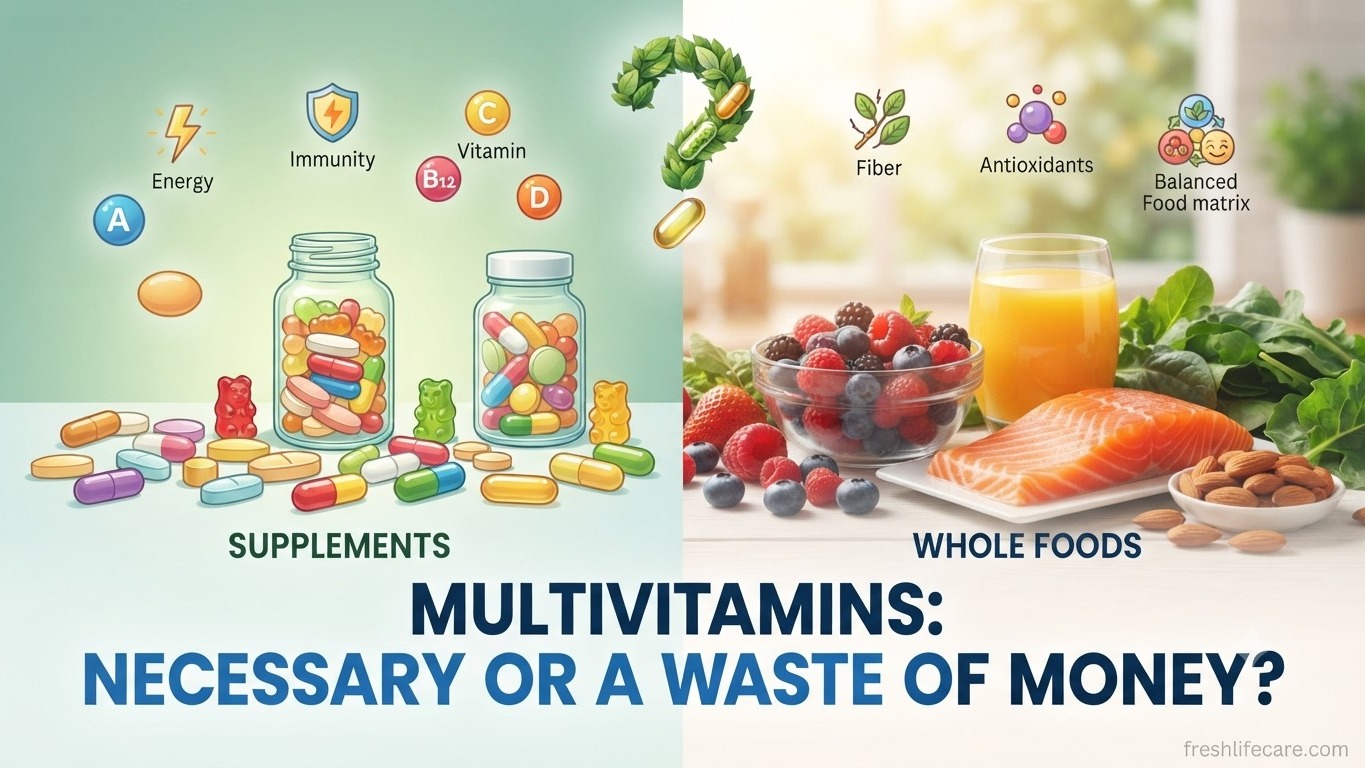
Multivitamins: Necessary or a Waste of Money?
Discover whether multivitamins are truly essential or an avoidable expense. Learn the benefits, risks, and how to choose the right path for your health.
Read More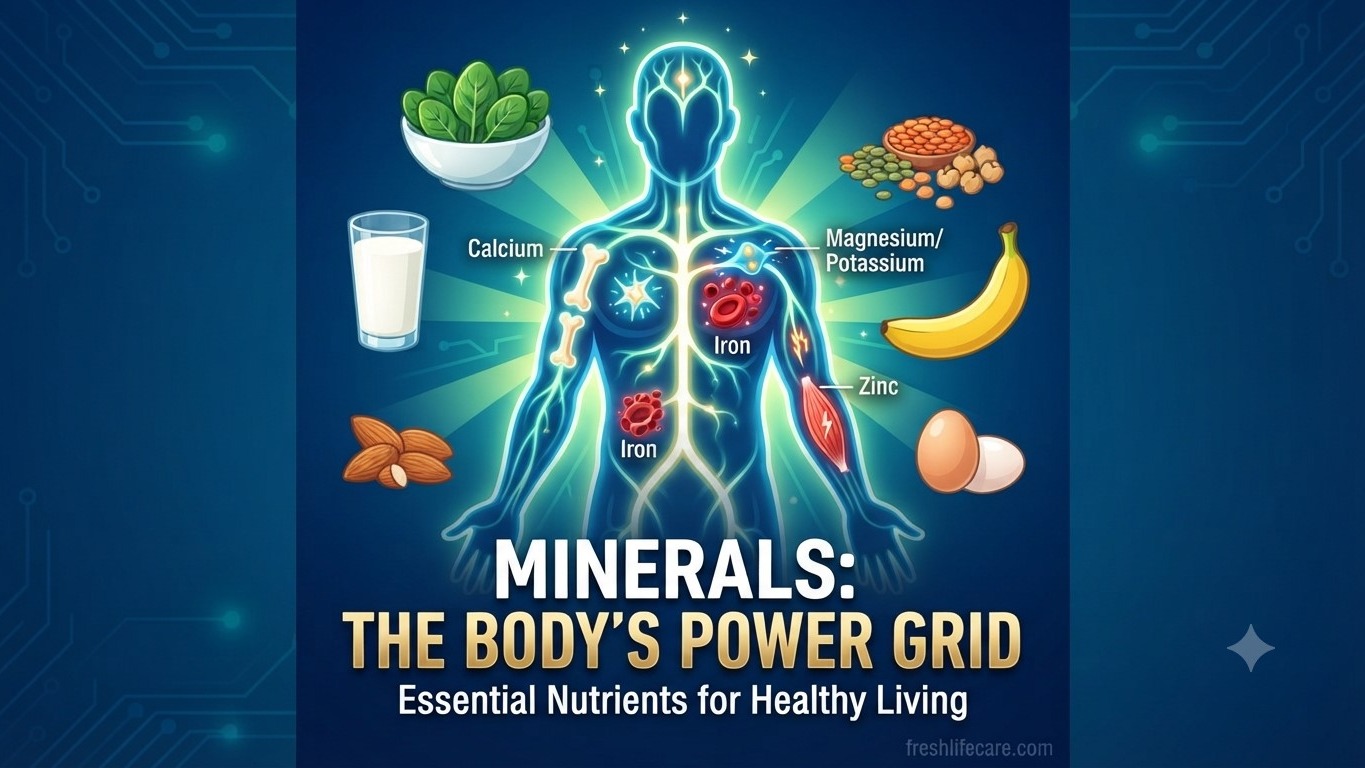
Minerals: you can't see them, but without them, your body's whole power grid goes dark.
Discover why your body needs essential minerals like calcium, iron, and magnesium. Learn top food sources and simple tips to meet your daily intake naturally.
Read More