
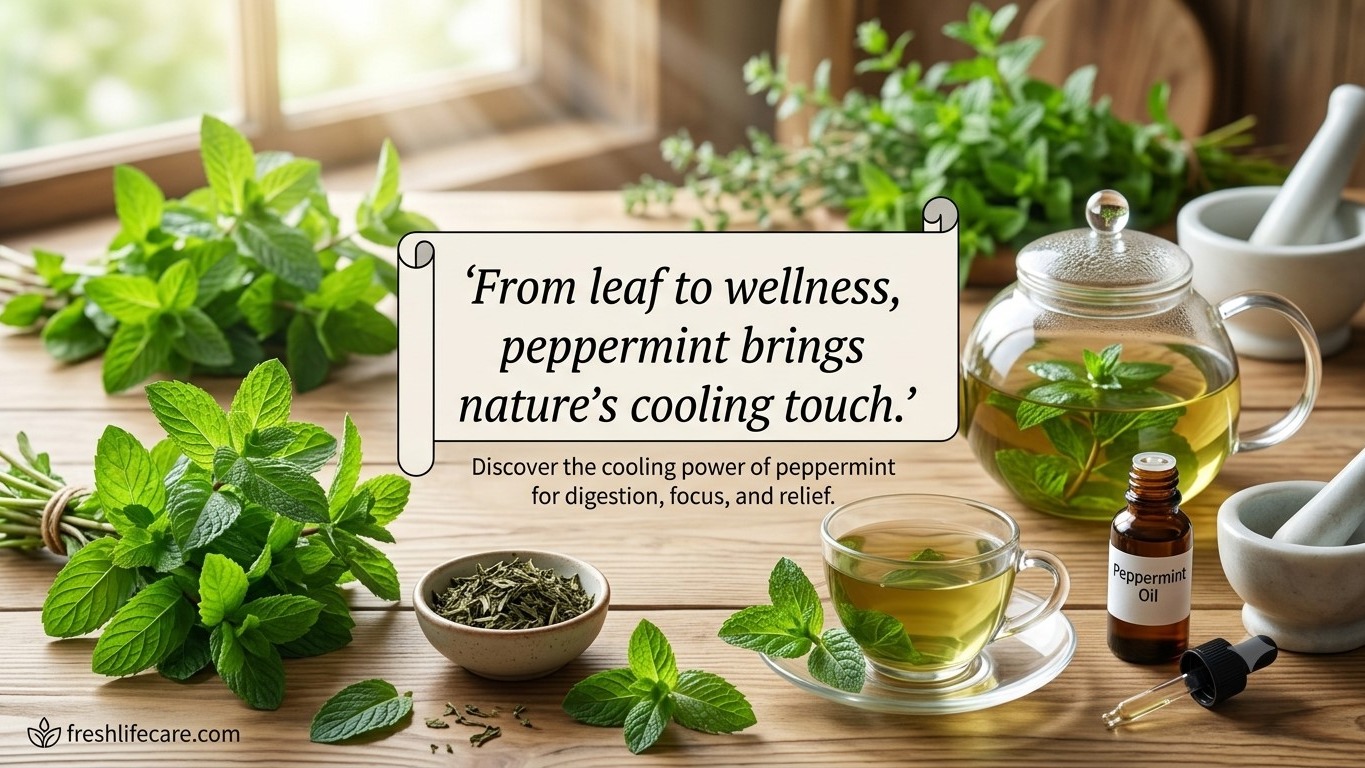
From leaf to wellness, peppermint brings nature’s cooling touch
Peppermint is one of the most widely used herbal medicines, especially for digestive complaints. Its leaves and essential oil (rich in menthol and menthone) act as a carminative (reduces gas) and antispasmodic (relaxes gut smooth muscle), which explains much of its traditional and modern use. Also it is a popular aromatic herb belonging to the mint family. It is widely used in traditional herbal medicine, particularly for digestive discomfort, and is also commonly consumed as tea or used in essential oils.
Peppermint is a natural hybrid of water mint and spearmint that has been valued for thousands of years across ancient civilizations, European scientific discovery, and modern commercial farming.
Traditional Uses
Peppermint has traditionally been used for:
Digestive discomfort: Peppermint tea is traditionally consumed for indigestion, gas, and stomach discomfort.
Nausea: Its refreshing aroma and flavor have traditionally been used to help ease feelings of nausea.
Headache relief: Peppermint oil, when appropriately diluted and applied topically, has been studied for tension-type headaches.
Cold and congestion: Menthol, a major component of peppermint, produces a cooling sensation that can make breathing feel more comfortable.
Muscle discomfort: Diluted peppermint oil is sometimes used in traditional topical preparations for a cooling, soothing effect.
Peppermint can be found as:
Fresh or dried leaves
Herbal tea
Capsules or standardized preparations
Essential oil
Topical preparations
Administration & Dosages
Herbal Tea / Infusion: Steep 3 to 6 g of dried/fresh peppermint leaves in hot water, taken 2–3 times daily.
Peppermint Oil Capsules: Enteric-coated capsules (typically 0.2–0.4 mL per dose for adults) prevent premature breakdown in the stomach and reduce heartburn.
Inhalation / Topical: Add 3–4 drops of essential oil to hot water for steam, or dilute with a carrier oil for skin/temple application
How it’s used for IBS
Enteric‑coated capsules are preferred so the oil releases in the small intestine/colon rather than the stomach, improving gut targeting and reducing heartburn.
Typical study durations are 2–8 weeks; many people notice improvement within a few weeks if they respond.
Common side effects
Yes. Peppermint oil is generally safe for most adults at recommended doses, but there are important side effects and situations where it can be risky.
Heartburn / acid reflux
Nausea, abdominal pain, diarrhea
Headache, flushing, dizziness
Dry mouth, belching, peppermint taste
Less common but important risks
Allergic reactions: rash, itching, swelling of face/tongue/throat, trouble breathing – seek urgent care if these occur.
Mouth/throat irritation or ulcers, especially if capsules are chewed or broken.
Severe abdominal pain or worsening symptoms – stop and get medical advice.
Conclusion
Peppermint is a refreshing and versatile herb with a long history of traditional use in herbal medicine. Its naturally occurring menthol gives it a cooling sensation and makes it popular for digestive comfort, nausea, headaches, and respiratory discomfort. Whether enjoyed as tea or used in suitable preparations, peppermint can be a useful part of traditional wellness practices. However, concentrated peppermint oil should be used carefully and responsibly. Overall, peppermint remains a valuable herb that combines a pleasant aroma with a range of traditional medicinal uses.
Related Articles

Power your body with protein—build strength, boost health, and make every day stronger!
Discover why protein is essential for muscle repair, immunity, and strength. Learn the best food sources, daily intake guidelines, and how to fuel your body naturally.
Read More
Multivitamins: Necessary or a Waste of Money?
Discover whether multivitamins are truly essential or an avoidable expense. Learn the benefits, risks, and how to choose the right path for your health.
Read More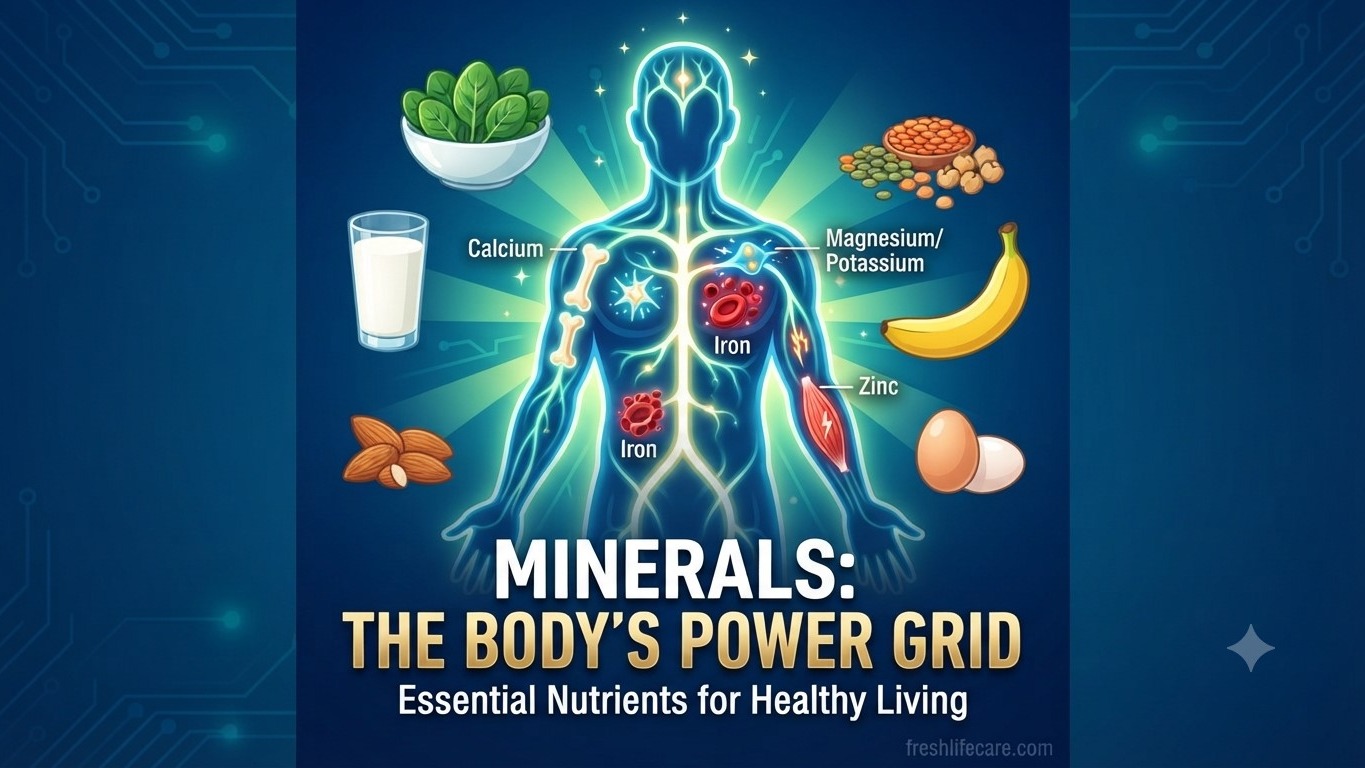
Minerals: you can't see them, but without them, your body's whole power grid goes dark.
Discover why your body needs essential minerals like calcium, iron, and magnesium. Learn top food sources and simple tips to meet your daily intake naturally.
Read More