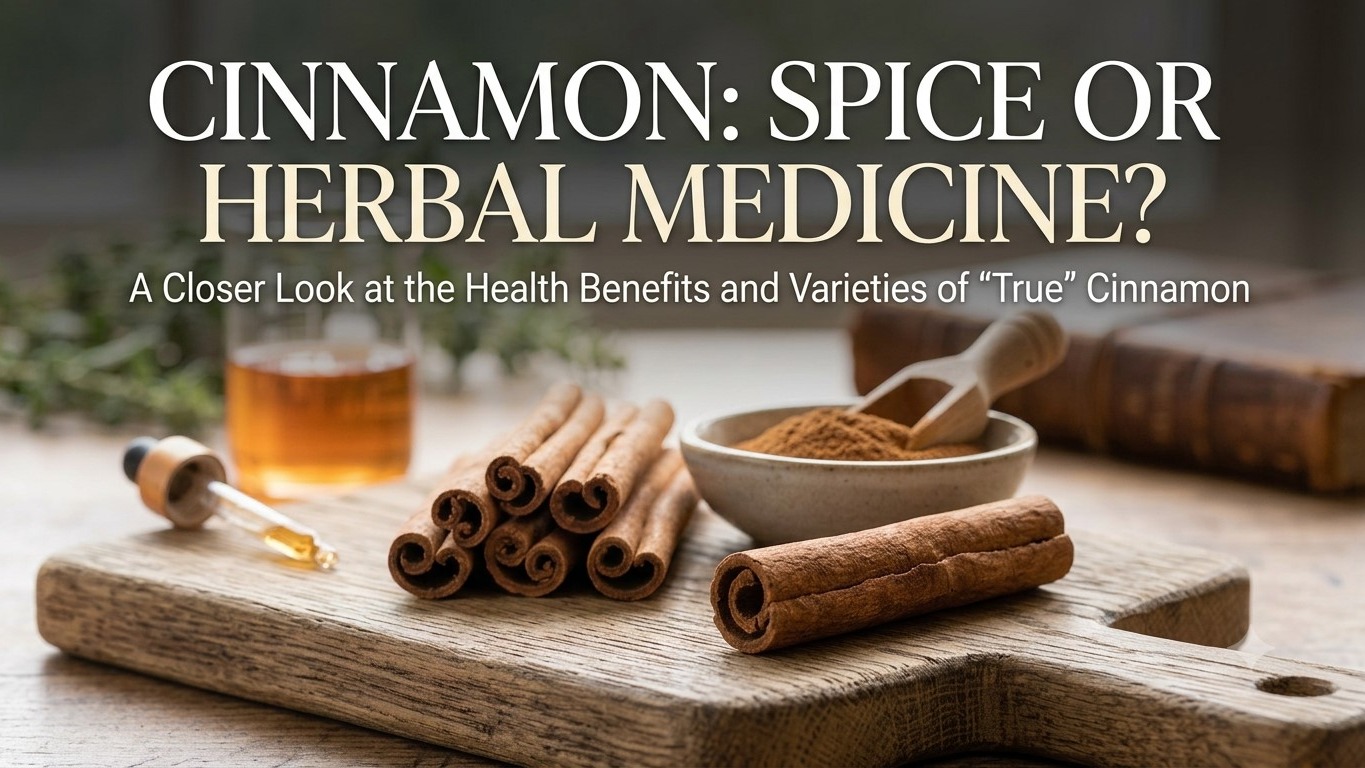
Cinnamon: From Kitchen Cabinet Spice to Functional Medicine
Cinnamon: Just a Spice or a Powerful Herbal Ingredient?
Cinnamon is an aromatic spice obtained from the inner bark of several trees belonging to the Cinnamomum genus. It is commonly used in cooking, beverages and traditional herbal practices. Cinnamon contains naturally occurring compounds such as cinnamaldehyde, which gives it its characteristic aroma and flavour.
Types of Cinnamon
The two commonly discussed types are:
Ceylon cinnamon (Cinnamomum verum) - often called “true cinnamon.”
Cassia cinnamon (Cinnamomum cassia and related species) - commonly sold as cinnamon and generally more widely available.
One important difference is coumarin, a naturally occurring compound found in much higher amounts in cassia cinnamon than in Ceylon cinnamon.
How Cinnamon Is Used as an Herb:
Cinnamon tea: A small cinnamon stick can be steeped in hot water to make a fragrant herbal drink.
Cooking
Cinnamon powder: Ground cinnamon is convenient for adding small amounts to food and drinks.
Traditional herbal preparations: Cinnamon has traditionally been used in various systems of herbal medicine, particularly for digestive complaints and general wellness.
Flavouring: Cinnamon is widely used to flavour tea, coffee, milk-based drinks and other beverages.
Cinnamon oil: Cinnamon essential oil is used mainly for fragrance and flavouring. It is highly concentrated and should not be consumed casually.
Protential Bemnefits
May support healthy blood sugar levels
Rich in antioxidants
May have anti-inflammatory properties
May support heart health
Antimicrobial properties
May support digestion
Potential cognitive benefits
Oral-health research
Weight-management research
Cinnamon Stick vs Cinnamon Powder
Bad Side / Possible Side Effects:
Cinnamon is generally safe as a food spice, but large amounts or prolonged high intake can cause problems.
Liver concerns: Cassia cinnamon can contain relatively high levels of coumarin. Regularly consuming large amounts may be harmful to the liver in susceptible people.
Mouth irritation: Eating large quantities of dry cinnamon powder can irritate the mouth and throat.
Allergic reactions: Some people may develop skin or mouth irritation or an allergic reaction.
Blood sugar may become too low: Because cinnamon may have some glucose-lowering effects, taking large amounts alongside diabetes medication could potentially contribute to low blood sugar.
Conclusion: However, more cinnamon is not necessarily better. Large or prolonged amounts—particularly cassia cinnamon because of its coumarin content—may carry risks. Cinnamon should be viewed as a food/spice, not as a replacement for medical treatment.
Related Articles

Power your body with protein—build strength, boost health, and make every day stronger!
Discover why protein is essential for muscle repair, immunity, and strength. Learn the best food sources, daily intake guidelines, and how to fuel your body naturally.
Read More
Multivitamins: Necessary or a Waste of Money?
Discover whether multivitamins are truly essential or an avoidable expense. Learn the benefits, risks, and how to choose the right path for your health.
Read More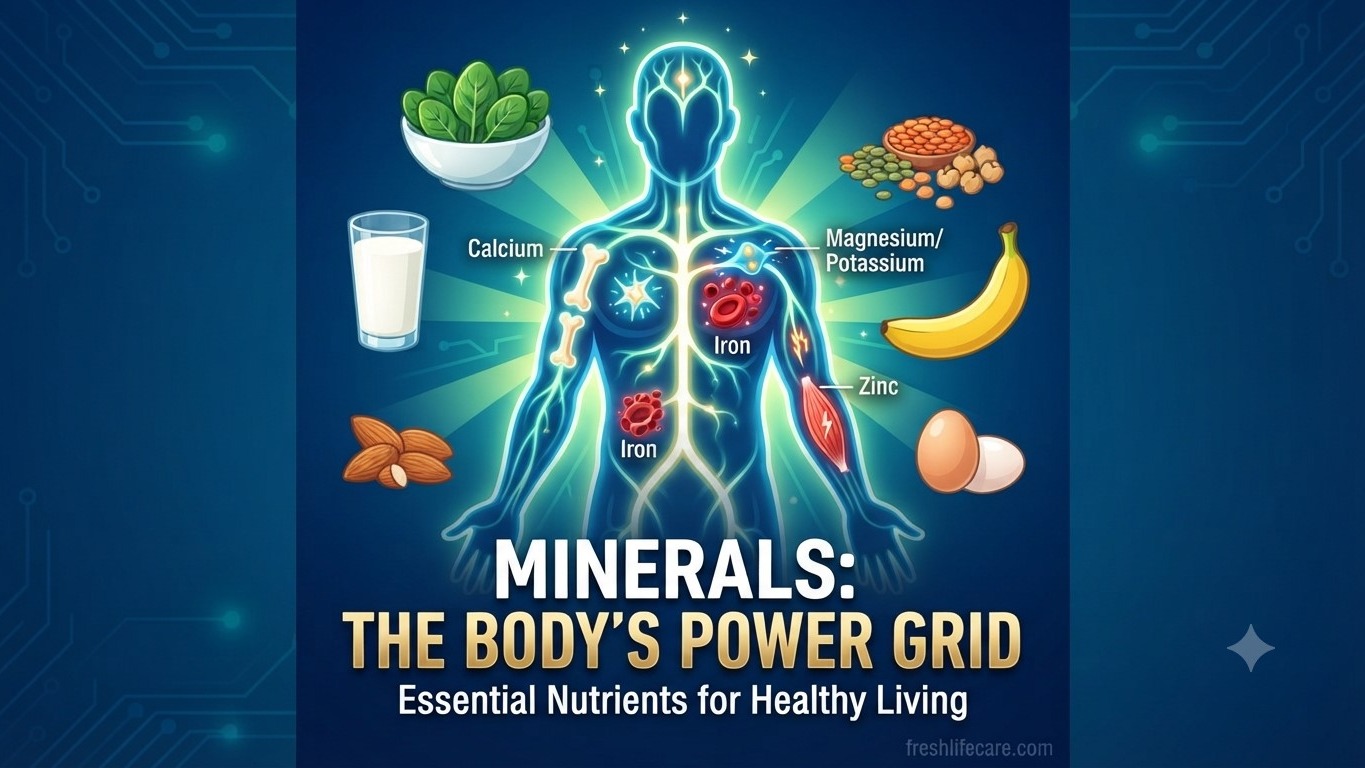
Minerals: you can't see them, but without them, your body's whole power grid goes dark.
Discover why your body needs essential minerals like calcium, iron, and magnesium. Learn top food sources and simple tips to meet your daily intake naturally.
Read More