
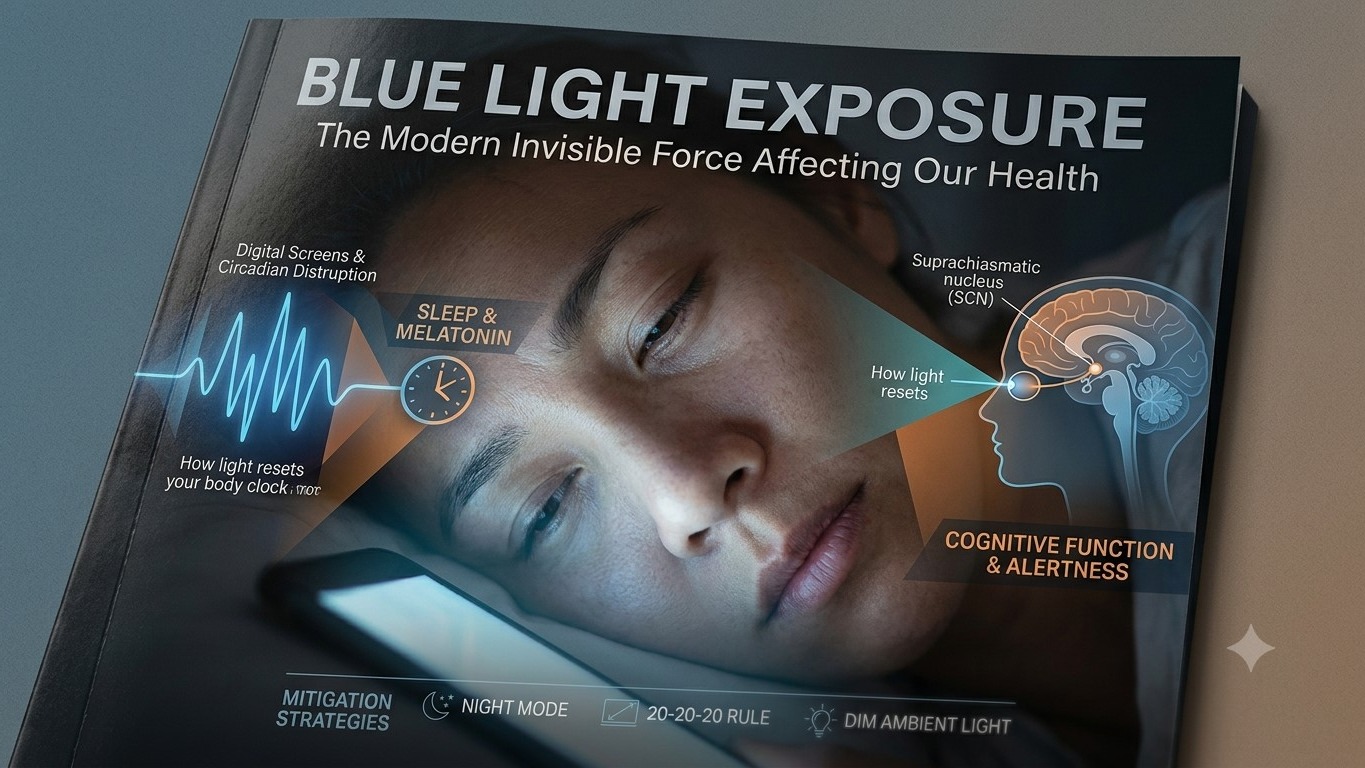
Blue Light Exposure and its Effects on Human Body
Blue light is a high-energy, short-wavelength portion of the visible light spectrum (ranging between 380 and 500 nanometers). While sunlight is the largest natural source of blue light, modern exposure comes heavily from artificial sources like smartphones, tablets, computers, and LED lighting. At present, smartphones, tablets, and various digital lights are considered necessary. Still, a question arises in many people's minds: what is blue light, and what harm does it cause? Let's learn a few facts about this:
What is this blue light?
In short or simple language, blue light is a type of light. Sunlight is its primary natural source. Apart from this, it is found in various LED lights and digital devices.
Where Does Blue Light Come From?
1.Natural Sources
Sunlight is by far the most important natural source of blue light.
Natural daylight provides strong light signals to the eyes and brain and helps regulate the body's internal biological clock.
2.Artificial Sources
Blue light can also come from:
Smartphones
Tablets
Computers
Televisions
LED bulbs
Fluorescent lighting
Other electronic displays and lighting systems
Key Effects on the Human Body
1.Circadian Rhythm & Sleep Suppression
Melatonin Suppression: Special photoreceptors in the eyes (intrinsically photosensitive retinal ganglion cells, or ipRGCs) are particularly sensitive to blue light. When exposed to blue light in the evening, these cells signal the brain’s suprachiasmatic nucleus (SCN) to delay the production of melatonin, the hormone responsible for sleep.
Altered Sleep Cycles: Evening exposure shifts the body's internal clock (circadian rhythm), making it harder to fall asleep, shortening REM cycles, and leaving you feeling fatigued the next day.
2.Ocular Strain & Visual Fatigue
High Energy & Scattering: Because blue light has short wavelengths, it scatters more easily than other visible light. This creates visual "noise" that lowers contrast and forces the eye muscles to work harder to focus.
Digital Eye Strain (Computer Vision Syndrome): Extended exposure leads to symptoms such as dry eyes, blurry vision, headaches, and eye fatigue. (Note: Most digital strain stems from reduced blinking rates and long screen sessions, though blue light glare exacerbates focus fatigue).
3.Daytime Alertness & Cognitive Performance
Increased Vigilance: Natural daylight blue exposure is essential—it suppresses daytime melatonin, boosts reaction times, enhances mood, and improves alertness and memory consolidation.
Seasonal Regulation: Adequate sunlight (including blue light wavelengths) during morning hours helps maintain baseline serotonin levels, preventing seasonal affective disorders.
How to control this Exposure:
All blue light is not the same. Daytime light maintains our body's balance, whereas nighttime light harms our sleep preparation. What do we need to do? Some time needs to be spent in nature during the day. Looking continuously at a screen is not allowed. If needed, blue-block glasses should be used. At night, digital use should be done in moderation.
Conclusion: It is not completely harmful. Daytime blue light is necessary for us, but at night it is harmful. Therefore, regular breaks and proper screen usage timing are essential.
Related Articles

Power your body with protein—build strength, boost health, and make every day stronger!
Discover why protein is essential for muscle repair, immunity, and strength. Learn the best food sources, daily intake guidelines, and how to fuel your body naturally.
Read More
Multivitamins: Necessary or a Waste of Money?
Discover whether multivitamins are truly essential or an avoidable expense. Learn the benefits, risks, and how to choose the right path for your health.
Read More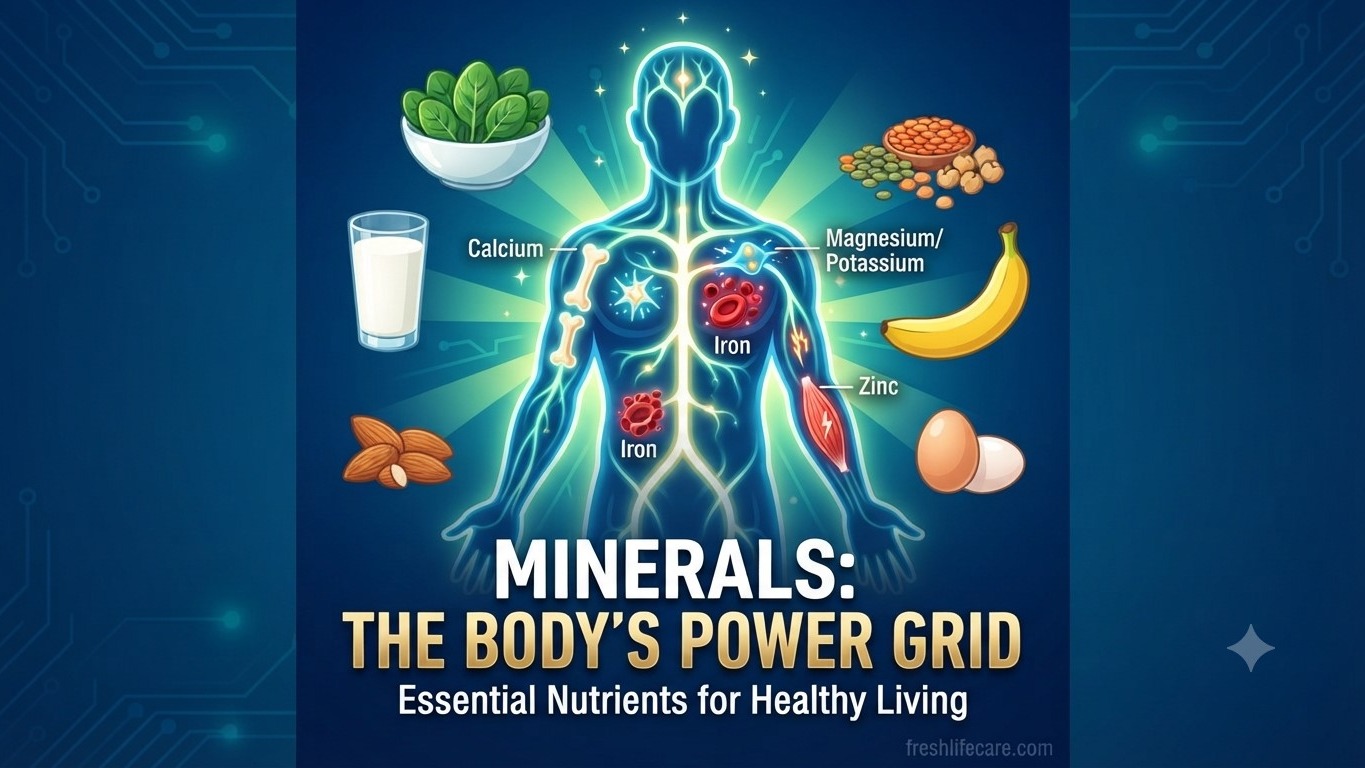
Minerals: you can't see them, but without them, your body's whole power grid goes dark.
Discover why your body needs essential minerals like calcium, iron, and magnesium. Learn top food sources and simple tips to meet your daily intake naturally.
Read More