
Black Pepper: The Herbal Spice Your Kitchen Has Trusted for Thousands of Years
Black pepper sits on nearly every table in the world. People often call it an herb, and in the herbal-remedy world it certainly earns a place. Botanically, though, it is a spice, and that difference makes its story more interesting.
Botanical Description
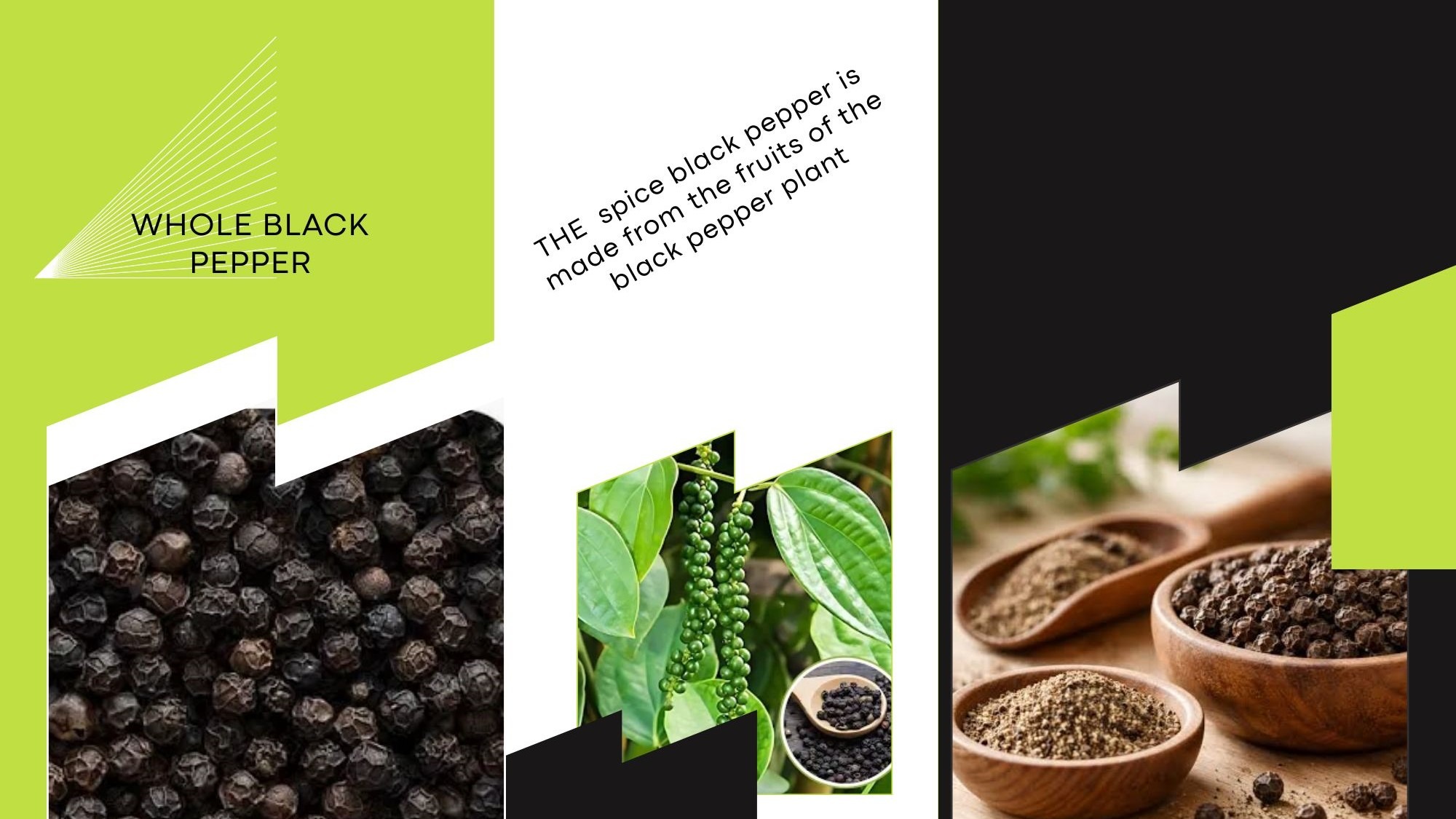
Black pepper is a perennial, climbing vine that grows well in warm and humid tropical climates. The plant has slender, branching stems and broad, green leaves. Its small flowers are produced in spikes, which later develop into clusters of small fruits called peppercorns. The fruits are harvested while they are still green and immature. They are then dried, during which the outer surface becomes dark and wrinkled, producing the familiar black peppercorn.
The plant is native to the Indian subcontinent, particularly the Western Ghats of India. Today, it is cultivated in several tropical countries.
Herb or Spice?
Herbs come from the leaves of plants, like basil, mint, and thyme. Spices come from other parts, such as seeds, bark, roots, or fruit. Black pepper comes from the dried fruit of the Piper nigrum vine, so it is a spice. Because it is widely used in herbal and traditional medicine, it is often grouped with herbs, and that is why the two terms get mixed up.
Where Black Pepper Comes From
Piper nigrum is a climbing vine native to the Malabar Coast of southern India. Its small berries are picked while still green and left to dry in the sun. As they dry, they shrivel and turn dark, becoming the black peppercorns we know. Today it is grown across tropical regions, with Vietnam among the largest producers.
Black Pepper in Traditional Medicine
For centuries, black pepper has been used in traditional systems like Ayurveda. It is a key ingredient in trikatu, a classic blend of black pepper, long pepper, and ginger, traditionally used to support digestion. It has also been used in home remedies for colds and sore throats, often mixed with honey or warm tea. Black pepper is also known for its antioxidant properties. Research has investigated piperine and other constituents for their potential biological effects, although traditional uses should not automatically be considered proven medical treatments.
Culinary Uses
Black pepper is an important ingredient in many cuisines. The whole peppercorns or ground pepper are used to season vegetables, meat, fish, soups, sauces, and various other foods. It is often combined with salt and other spices. Black pepper is also used in traditional spice mixtures and herbal preparations.
Cultivation and Harvesting
Black pepper requires a warm, humid climate, adequate rainfall, and well-drained soil. Since it is a climbing vine, it is commonly grown with support from trees or specially constructed supports. The pepper fruits are harvested at different stages of maturity depending on the type of pepper desired. For black pepper, immature green fruits are harvested and dried until they develop their characteristic black color and wrinkled appearance.
Final Thoughts
Whether you call it an herb or a spice, black pepper has earned its place as a kitchen staple and a traditional remedy. It flavors food, supports tradition, and pairs well with other healthy ingredients, all from one small dried berry.
Related Articles

Power your body with protein—build strength, boost health, and make every day stronger!
Discover why protein is essential for muscle repair, immunity, and strength. Learn the best food sources, daily intake guidelines, and how to fuel your body naturally.
Read More
Multivitamins: Necessary or a Waste of Money?
Discover whether multivitamins are truly essential or an avoidable expense. Learn the benefits, risks, and how to choose the right path for your health.
Read More
Minerals: you can't see them, but without them, your body's whole power grid goes dark.
Discover why your body needs essential minerals like calcium, iron, and magnesium. Learn top food sources and simple tips to meet your daily intake naturally.
Read More