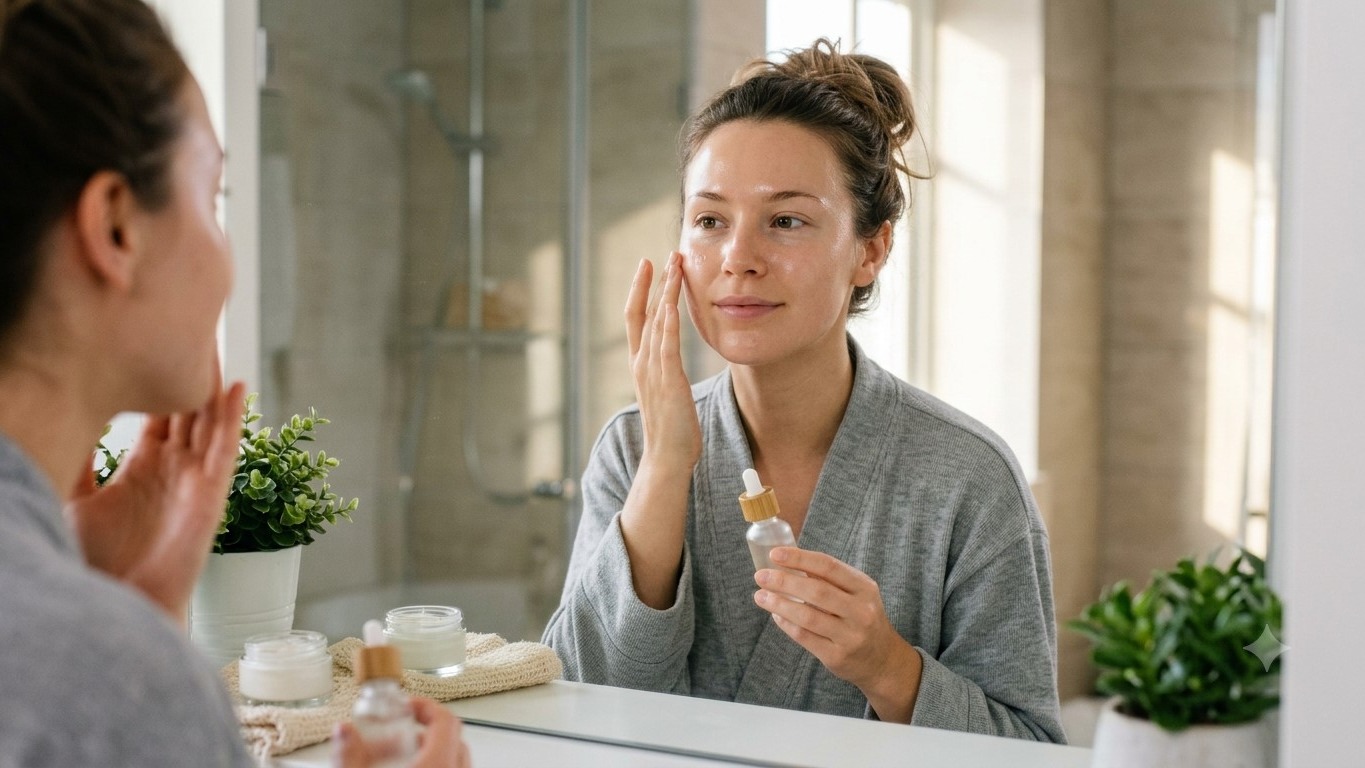
Beyond the Glow: The Science of Women's Skin
What Your Skin Is Really Telling You, The Science of Women's Skin
When we talk about women's skin, the discussion usually centers on two things: how it differs biologically from men's skin, and how it changes across different life stages.
Because of hormones and structural differences, women's skin requires a slightly different approach to care, especially when looking at long-term aging and health.
1. The Biological Differences
Women's skin has a few distinct characteristics that dictate how it behaves and ages:
Thickness: Women’s skin is roughly 25% thinner than men’s skin. Because it is naturally thinner, it can be more prone to showing fine lines and losing elasticity earlier if not properly hydrated and protected.
Collagen Loss: Women have a lower baseline density of collagen (the protein that keeps skin firm) than men. While men lose collagen at a slow, steady rate throughout life, women experience a sharp decline later in life, particularly around menopause.
Sensitivity: Women's skin barrier can be more reactive to environmental changes, stress, and harsh ingredients, making gentle, nourishing ingredients highly effective.
Also Read: Simple, Affordable DIY Beauty Secrets That Actually Work
2. The Impact of Hormones
Hormones are the ultimate driver of how a woman's skin looks and feels on any given day.
The Monthly Cycle: Fluctuations in estrogen and progesterone alter sebum (oil) production. High progesterone mid-cycle can clog pores, leading to the classic "period breakouts" around the chin and jawline.
Pregnancy: Hormonal surges can increase melanin production, leading to hyperpigmentation or melasma (often called the "mask of pregnancy").
Menopause: A steep drop in estrogen causes the skin to lose moisture, oil production, and collagen rapidly. Skin can suddenly feel incredibly dry, thin, and less bouncy.
3. Core Pillars of Modern Women's Skincare
To address these unique traits, a solid skincare approach doesn't need to be 10 steps long, but it does need to focus on three main pillars:
Barrier Protection: Using ingredients like ceramides, hyaluronic acid, and fatty acids to lock in moisture and keep the naturally thinner skin plump and hydrated.
Daily Defense (Sunscreen): Because women's skin is thinner, UV damage (photoaging) can show up faster as sunspots and fine lines. Daily SPF is the single most effective tool for skin longevity.
Targeted Repair: Introducing mild actives like Vitamin C (for brightness and fading dark spots) or Retinol/Bakuchiol (to boost collagen production and smooth texture) as the skin matures.
Note to readers: This article is for informational purposes only and not a substitute for professional medical advice. Always seek the advice of your doctor with any questions about a medical condition.
Related Articles

The Truth about Breast Enhancement: Separating Marketing Myths from Medical Realities
Planning breast augmentation? Separate marketing promises from medical reality. Learn the truth about exercises, creams, implants, and surgical safety.
Read More
How Air Pollution Systematically Damages Human Health and Daily Life
How does poor air quality affect your body and daily routine? Explore the systematic health risks of long-term air pollution exposure and how to stay safe.
Read More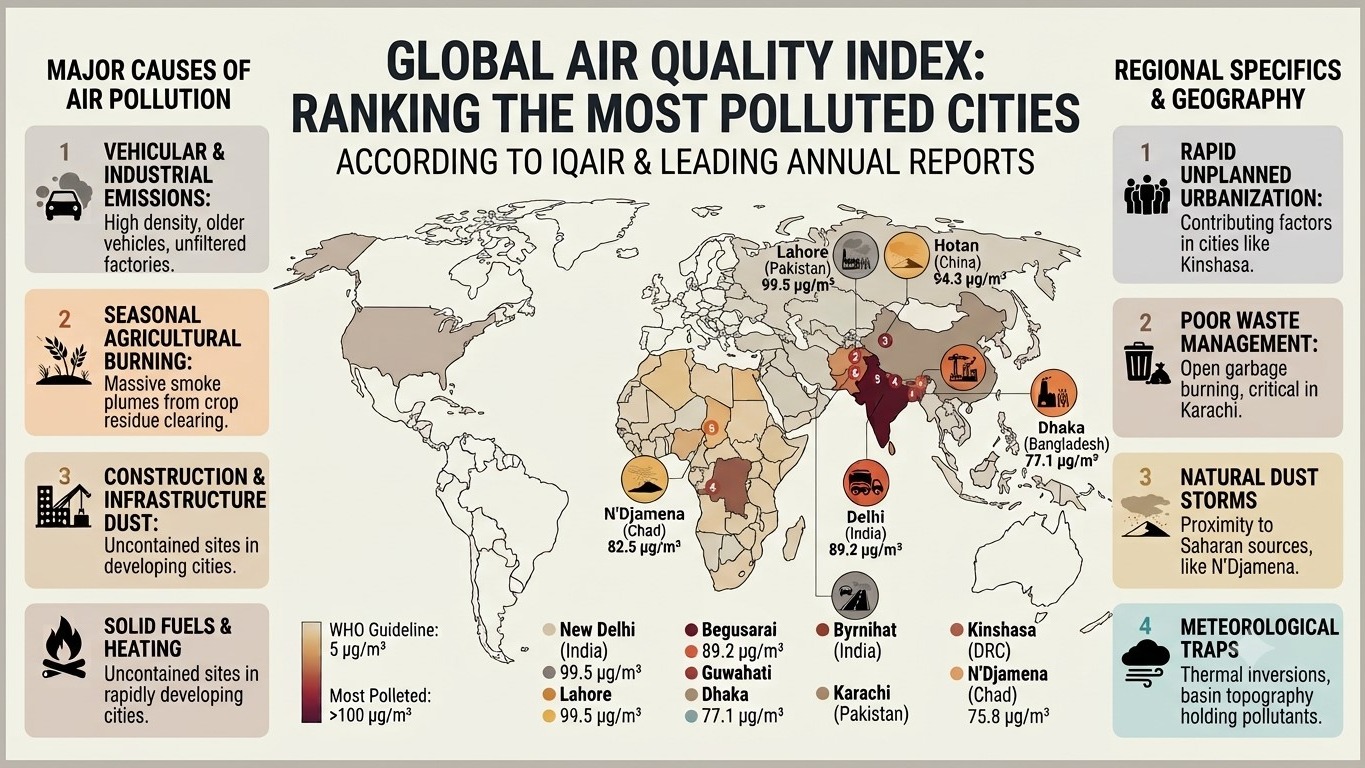
Global Air Quality Index: Ranking the Most Polluted Cities
Which cities have the worst air quality? Check out the latest global AQI rankings, primary drivers of air pollution, and key data from leading annual reports.
Read More