
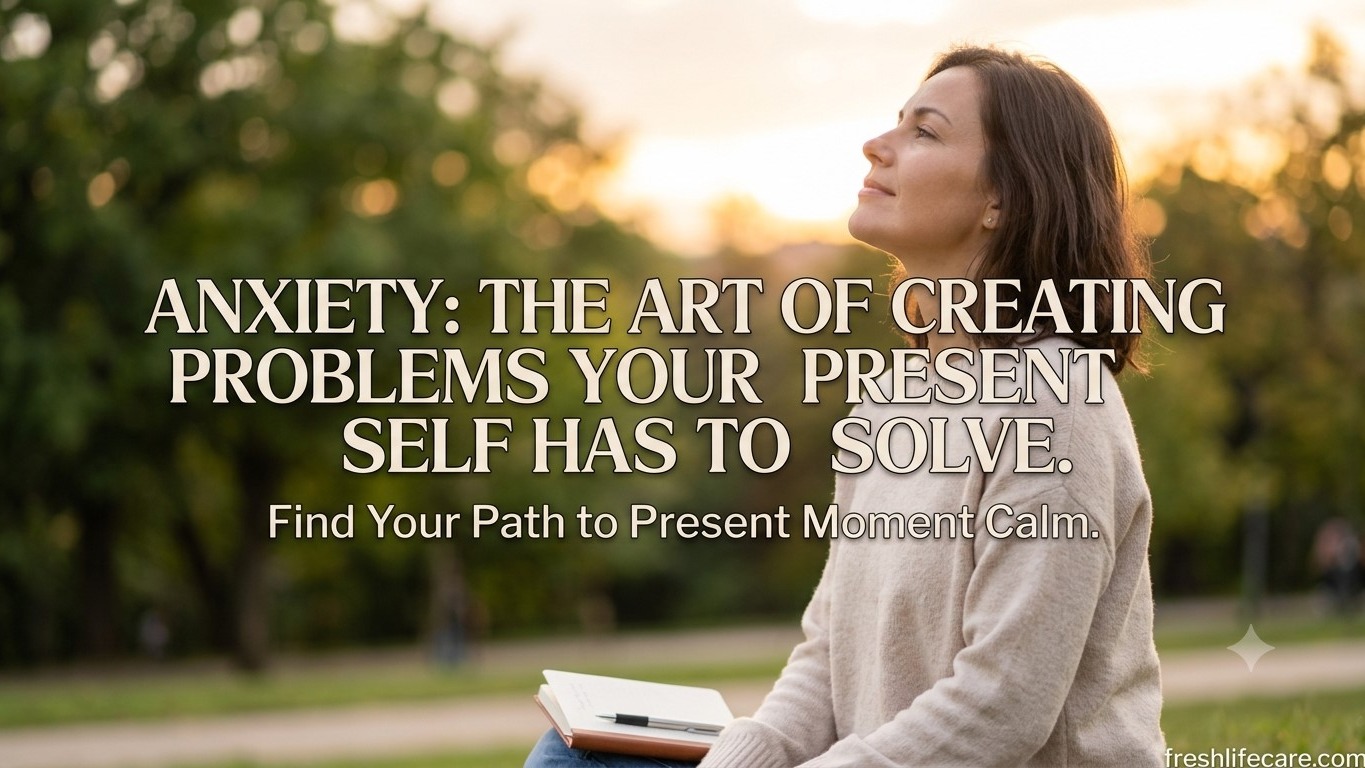
Anxiety: the art of creating problems your present self has to solve.
Anxiety is a normal emotion that becomes a disorder when fear or worry is excessive, persistent, and interferes with daily life. Anxiety disorders are common, treatable, and include several distinct conditions with overlapping symptoms
Common Symptoms of Anxiety
Anxiety can affect both the mind and body.
What anxiety disorders are
Anxiety disorders are mental health conditions characterized by excessive fear, worry, or avoidance that is out of proportion to the actual threat and causes significant distress or impairment
Emotional and mental symptoms
Excessive worrying
Feeling restless or constantly “on edge”
Difficulty concentrating
Irritability
Feeling that something bad may happen
Difficulty relaxing
Repeatedly thinking about the same concerns
Physical symptoms
Fast or pounding heartbeat
Sweating
Shaking or trembling
Muscle tension
Headache
Dizziness
Shortness of breath
Stomach discomfort
Fatigue
Difficulty sleeping
Types of Anxiety Disorders
There are several types, including:
1. Generalized Anxiety Disorder (GAD): Persistent and excessive worry about everyday issues such as health, family, work, finances, or other responsibilities.
2. Panic Disorder: Repeated unexpected panic attacks and concern about having additional attacks.
3. Social Anxiety Disorder: Intense fear or anxiety related to social situations, being judged, embarrassed, or negatively evaluated.
4. Specific Phobias: Strong fear of a particular object or situation, such as heights, insects, flying, or enclosed spaces.
5. Separation Anxiety Disorder: Excessive fear or distress about being separated from an important person or attachment figure.
What Can Cause Anxiety?
Anxiety can develop from a combination of factors, including:
Long-term stress
Difficult life experiences
Family history and genetics
Changes in brain chemistry
Lack of sleep
Excessive caffeine
Certain medications or substances
Some medical conditions
How Anxiety Can Affect Daily Life
Persistent anxiety can affect sleep, concentration, relationships, studies, work, appetite, and overall quality of life. Avoiding situations because of anxiety can sometimes make the fear stronger over time.
Managing Anxiety
For mild or occasional anxiety, healthy habits may help:
Maintain a regular sleep schedule.
Exercise regularly.
Practice slow breathing or relaxation exercises.
Reduce excessive caffeine and other stimulants.
Eat regular, balanced meals.
Stay connected with supportive people.
Take breaks from stressful activities.
Write down worries and identify practical steps you can take.
Avoid using alcohol or recreational drugs to cope with anxiety.
Anxiety and Herbal Medicine
Some herbs are traditionally promoted for relaxation or stress, but “natural” does not automatically mean safe or effective. Herbal products can interact with medicines and may vary in strength and quality. They should not replace evidence-based treatment for an anxiety disorder.
Shankhpushpi, for example, has a traditional Ayurvedic history of use for mental calmness and cognitive wellness, but evidence for treating clinical anxiety is limited. It is better to discuss herbal preparations with a qualified healthcare professional before using them regularly.
Related Articles
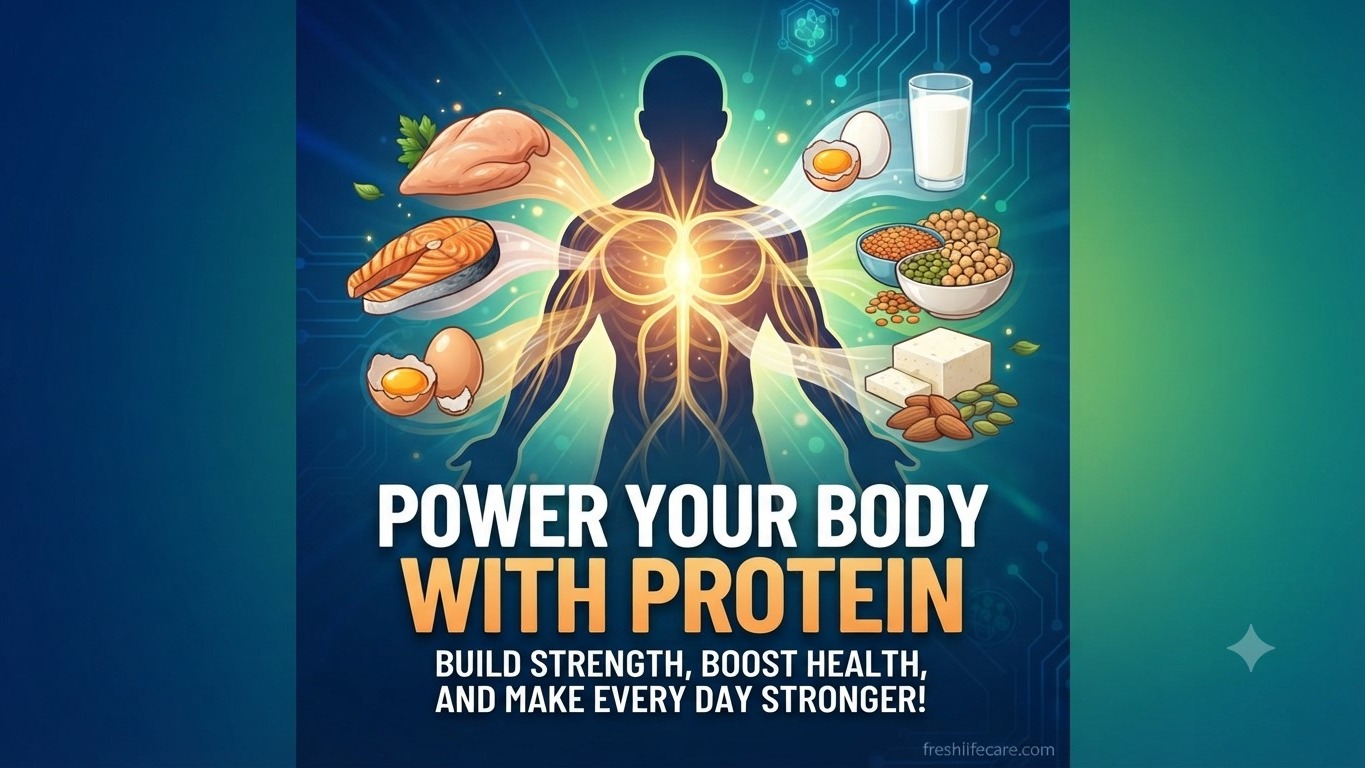
Power your body with protein—build strength, boost health, and make every day stronger!
Discover why protein is essential for muscle repair, immunity, and strength. Learn the best food sources, daily intake guidelines, and how to fuel your body naturally.
Read More
Multivitamins: Necessary or a Waste of Money?
Discover whether multivitamins are truly essential or an avoidable expense. Learn the benefits, risks, and how to choose the right path for your health.
Read More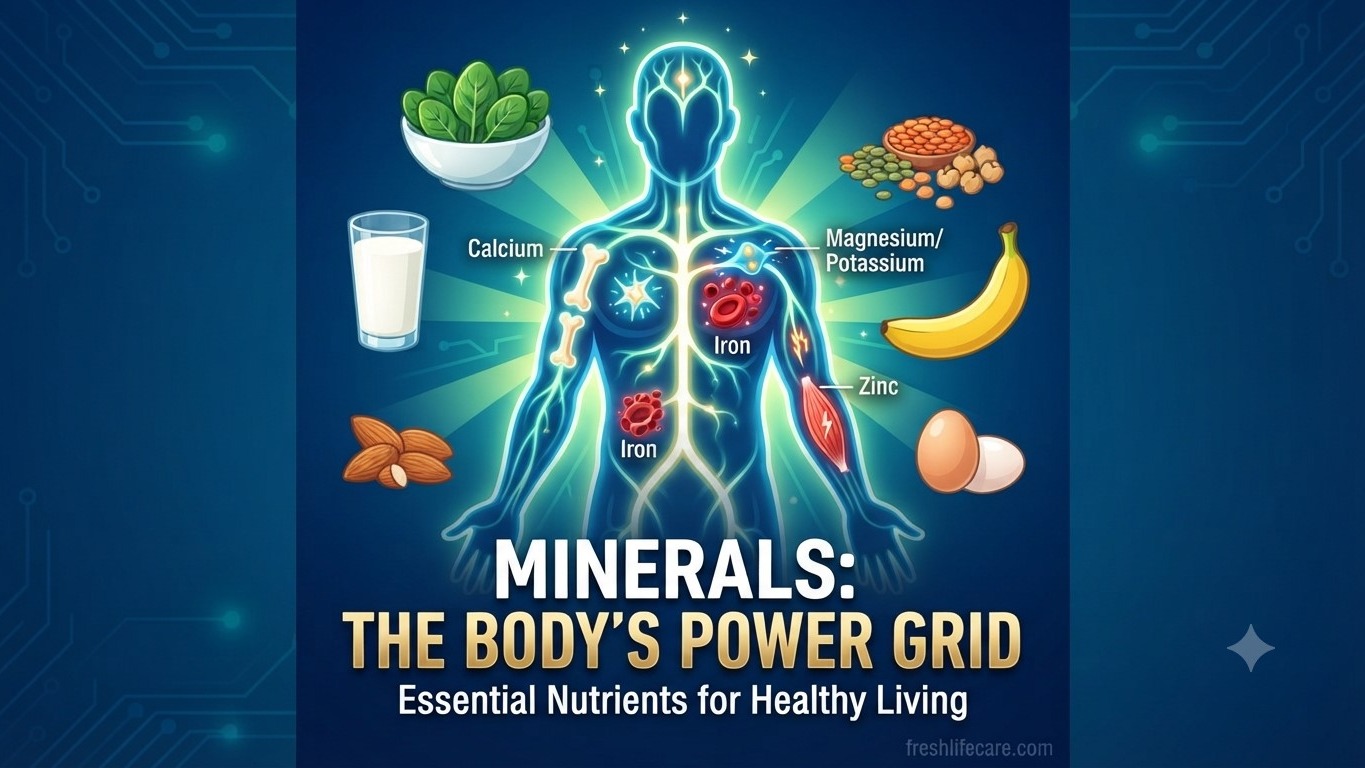
Minerals: you can't see them, but without them, your body's whole power grid goes dark.
Discover why your body needs essential minerals like calcium, iron, and magnesium. Learn top food sources and simple tips to meet your daily intake naturally.
Read More