
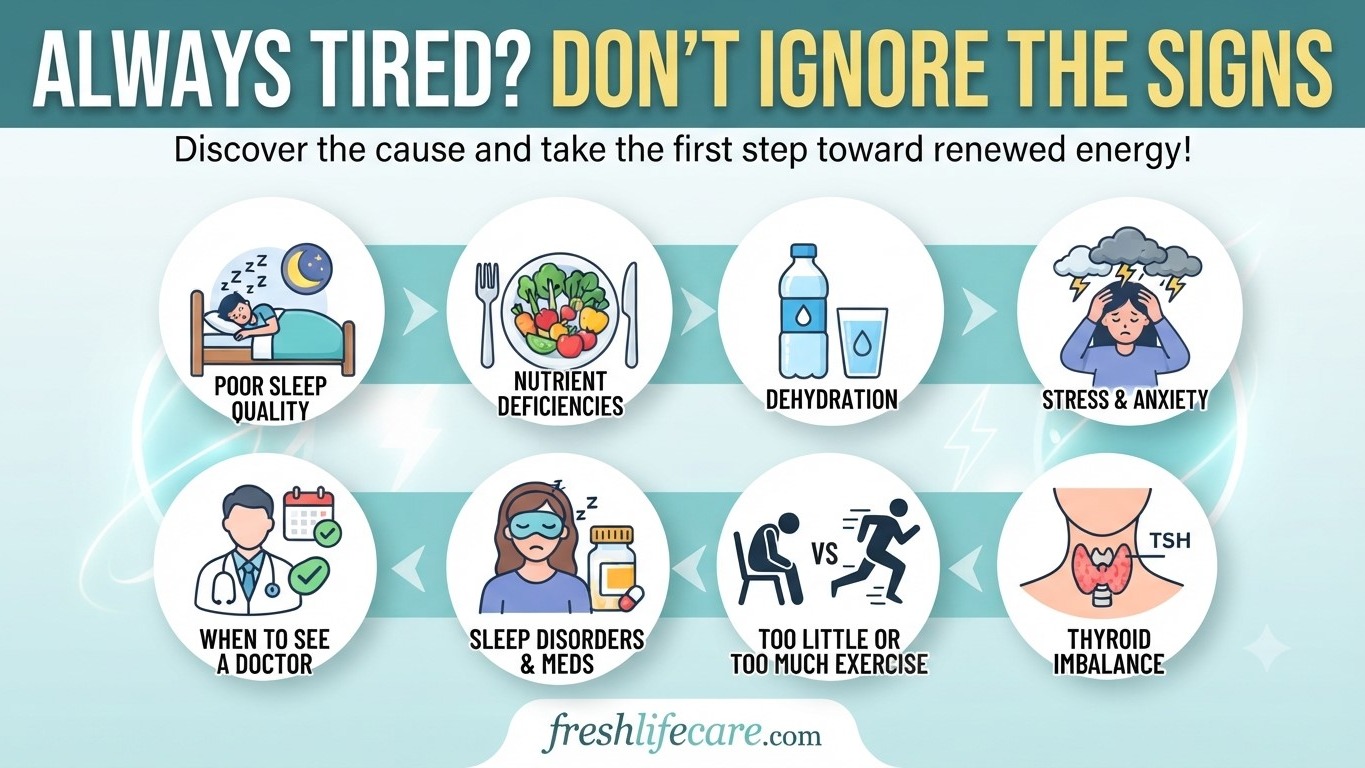
Always tired? Don't ignore the signs - discover the cause and take the first step toward renewed energy!”
Do you often wake up feeling exhausted, even after a full night's sleep? Do you struggle to concentrate at work, feel sleepy during the day, or lack the energy to complete your daily activities? If so, you are not alone. Many people experience persistent tiredness because of their lifestyle, sleep habits, diet, or underlying health conditions.
Occasional tiredness is a normal part of life, especially after physical activity or a busy day. However, feeling exhausted regularly without a clear reason may be a sign that something needs attention.
In this blog, we will explore seven possible reasons why you may always feel tired and discuss practical steps that can help you improve your energy levels.
Here are 7 possible reasons why you might be feeling constantly tired, along with practical steps to address each one
1.Poor Sleep Quality or Insomnia
You might be spending 7 to 8 hours in bed, but if your sleep is fragmented or light, you won't feel rested.
What may help:
Maintain a regular bedtime and waking time.
Create a quiet, dark, comfortable sleeping environment.
Reduce screen use before bedtime.
Avoid caffeine late in the day.
2. Nutrient Deficiencies
Your body needs sufficient energy and nutrients to perform its daily functions. Skipping meals, eating too little, or following an unbalanced diet may contribute to tiredness.
Iron deficiency can cause anaemia, which reduces the blood's ability to carry oxygen efficiently. Low levels of vitamin B12 or other nutritional deficiencies can also contribute to fatigue.
Foods to include in a balanced diet:
Lentils, beans, and chickpeas
Green leafy vegetables
Eggs, dairy products, or suitable alternatives
Whole grains, fruits, and nuts
3. Dehydration: Not Drinking Enough Water
Water helps regulate body temperature, transport nutrients, and maintain normal bodily functions. When you lose more fluid than you take in, dehydration can develop and may cause tiredness, dizziness, headaches, and reduced concentration.
Your fluid needs depend on your activity level, weather, diet, and health. Hot weather and physical activity can increase your need for fluids.
Simple tips:
Drink water regularly throughout the day.
Carry a reusable water bottle.
Pay attention to thirst and changes in urine colour, while remembering that these signs are not perfect measures of hydration.
4. Stress, Anxiety, and Emotional Exhaustion
Mental health can have a significant effect on physical energy. Ongoing stress, anxiety, and emotional pressure may interfere with sleep, affect appetite, and leave you feeling drained even when you have not done much physical work.
Depression can also cause persistent fatigue, reduced motivation, changes in sleep, and difficulty concentrating.
What may help:
Take short breaks during a busy day.
Practise relaxation techniques, such as gentle breathing or meditation.
Make time for enjoyable activities and supportive relationships.
Seek professional support if stress or low mood persists.
5. Thyroid Imbalance (Hypothyroidism)
The thyroid gland controls your metabolic rate. When it doesn't produce enough thyroid hormone (underactive thyroid), your body's processes slow down significantly.
Associated Symptoms: Unexplained weight gain, feeling unusually cold, dry skin, and muscle weakness.
The Fix: Ask your healthcare provider for a simple Thyroid Stimulating Hormone (TSH) blood test.
6. Too Little Exercise or Too Much Physical Activity
Both insufficient physical activity and excessive exercise without adequate recovery can contribute to tiredness.
Regular, moderate activity can improve fitness and help some people feel more energetic over time. However, intense workouts, physically demanding work, or inadequate recovery may leave the body feeling exhausted.
What may help:
Begin with gentle walking if you are able.
Increase activity gradually.
Allow time for rest and recovery.
Avoid pushing through unexplained or severe fatigue.
7. Sleep Disorders and Certain Medicines
Sometimes, you may spend enough time in bed but still wake up feeling exhausted. One possible explanation is a sleep disorder.
Sleep apnoea is a condition in which breathing repeatedly stops and starts during sleep. Loud snoring, gasping during sleep, frequent waking, and daytime tiredness may be warning signs.
Certain medicines, including some antihistamines and other medications, can also cause drowsiness or fatigue.
What may help:
Speak to a healthcare professional if you snore loudly and remain tired during the day.
Ask your doctor or pharmacist whether your medicines could contribute to fatigue.
Do not stop prescribed medication without medical advice.
When to See a Doctor
If your fatigue persists for more than two to three weeks despite improving your sleep, nutrition, and stress management, it is important to consult a physician. Persistent fatigue can sometimes be an early indicator of underlying conditions like diabetes, autoimmune disorders, or clinical depression.
CONCLUSION : Feeling tired all the time is not something you should ignore. While a busy lifestyle, lack of sleep, stress, poor eating habits, or dehydration can leave you feeling exhausted, constant fatigue may sometimes indicate an underlying health problem. Making small changes, such as maintaining a regular sleep schedule, eating a balanced diet, drinking enough water, exercising regularly, and managing stress, can help improve your daily energy levels.
Remember, your body needs rest, care, and attention to function at its best. If you feel tired all the time despite getting enough sleep, or if your fatigue continues without a clear reason, consult a healthcare professional to identify the cause and receive appropriate treatment.
Your health is your greatest wealth, and listening to your body's signals is the first step toward a healthier, more energetic life.
Related Articles

Power your body with protein—build strength, boost health, and make every day stronger!
Discover why protein is essential for muscle repair, immunity, and strength. Learn the best food sources, daily intake guidelines, and how to fuel your body naturally.
Read More
Multivitamins: Necessary or a Waste of Money?
Discover whether multivitamins are truly essential or an avoidable expense. Learn the benefits, risks, and how to choose the right path for your health.
Read More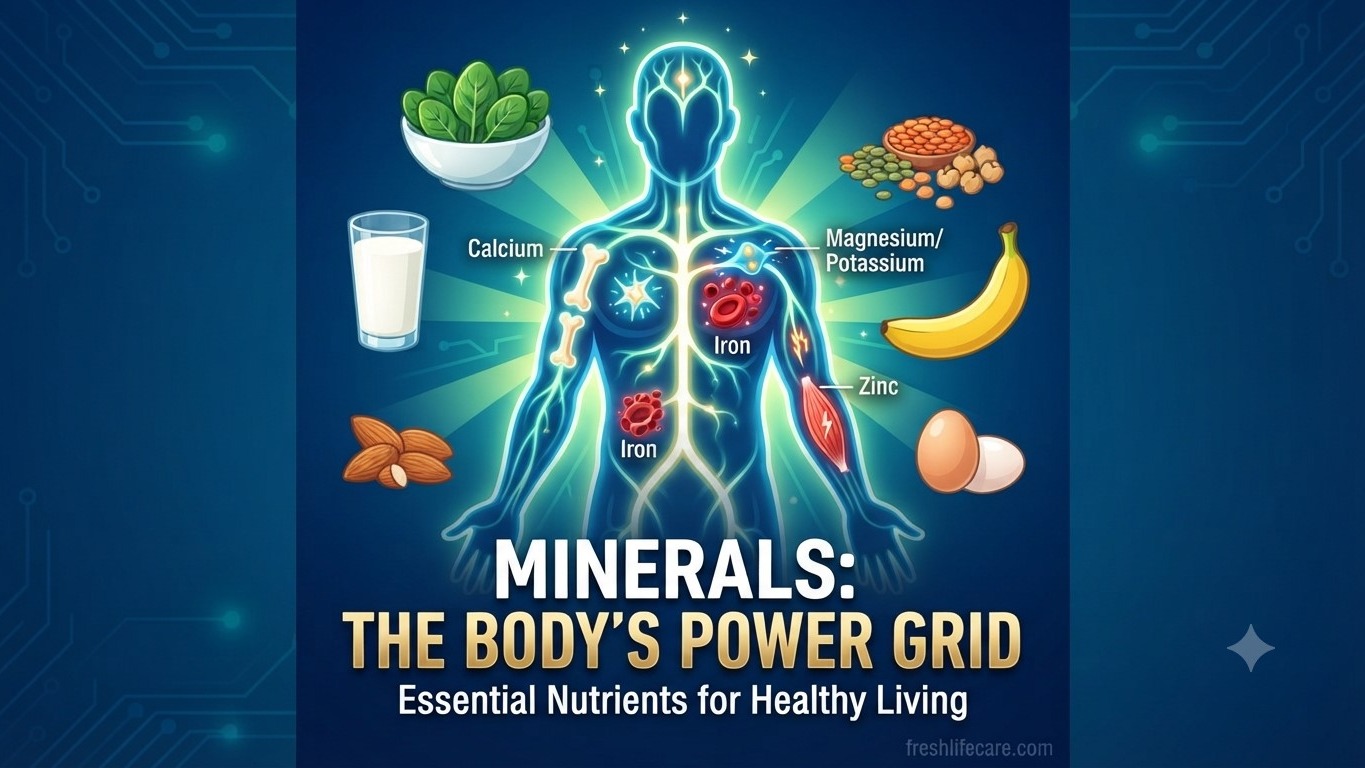
Minerals: you can't see them, but without them, your body's whole power grid goes dark.
Discover why your body needs essential minerals like calcium, iron, and magnesium. Learn top food sources and simple tips to meet your daily intake naturally.
Read More