

A Little Winter Care Goes a Long Way Toward Healthier Skin.
Have you ever noticed that your skin feels rough, tight, or itchy as soon as winter arrives? You are not alone! As the temperature drops, cold winds and low humidity can take away moisture from your skin, leaving it dull, flaky, and uncomfortable. Even people who usually have soft, healthy skin may experience dryness during the colder months. Frequent hot showers, indoor heating, and unsuitable skincare products can make the problem worse. But don't worry—dry skin does not have to be a part of your winter experience. With a few simple changes to your daily routine, the right moisturizer, and proper skin protection, you can help maintain soft, smooth, and healthy-looking skin throughout the season.
Why Does Skin Become Dry in winter?
Several environmental and lifestyle factors contribute to dry skin during winter.
Cold weather: Cold air can hold less moisture than warm air, and winter conditions can make the skin feel dry and uncomfortable.
Low humidity: When the air contains less moisture, water evaporates more easily from the skin's surface.
Hot showers: Long, hot showers may remove natural oils that help protect the skin.
Indoor heating: Heaters can make indoor air drier, contributing to moisture loss.
Harsh soaps: Strong cleansers and fragranced products may irritate the skin and weaken its protective barrier.
Common Signs of Dry Skin During Winter
Watch for these common symptoms:
Roughness or tightness, especially after bathing.
Flaking or peeling skin.
Itching and irritation.
Cracked lips and dry hands.
Redness or small skin cracks.
In severe cases, painful cracks or bleeding.
If your skin becomes very painful, develops signs of infection, or does not improve with regular moisturizing, consult a healthcare professional.
Seven Ways to Prevent Dry Skin in Winter
Switch to Richer, Ceramide-Based Creams Replace light summer lotions with heavy creams or ointments containing ceramides, fatty acids, or hyaluronic acid. These ingredients actively rebuild the damaged skin barrier and lock in moisture far longer than water-based lotions.
Run an Indoor Humidifier Indoor heating lowers relative humidity levels indoors, accelerating transepidermal water loss (TEWL). Using a cool-mist humidifier maintains room humidity between 30% and 50%, keeping ambient air from pulling moisture out of your skin.
Limit Hot Showers and Baths Hot water strips away the skin’s natural lipid layer and sebum protection. Keep showers short (under 10 minutes) and use lukewarm water to avoid irritating dry or sensitive skin.
Moisturize Immediately After Washing Apply your moisturizer within 3 minutes of showering or washing your face/hands while the skin is still slightly damp. This traps surface water before it evaporates into the dry surrounding air.
Choose Gentle, Fragrance-Free Cleansers Traditional soaps and heavily fragranced body washes contain harsh surfactants that strip essential skin oils. Opt for soap-free, hydrating, or gentle liquid cleansers that protect your natural oil barrier.
Protect Exposed Skin Outdoors Cold winds and freezing temperatures rapidly dehydrate exposed tissue and cause windburn. Wear gloves, scarves, and lip balms with petroleum or beeswax whenever you step outside.
Maintain Hydration and Healthy Fats Support skin health from the inside by drinking sufficient warm fluids and consuming foods rich in Omega-3 fatty acids (walnuts, flaxseeds, fish) and Vitamin E to maintain cellular integrity and oil production throughout the season.
Conclusion
Dry skin is a common winter concern, but it does not have to spoil your enjoyment of the season. Cold air, low humidity, hot showers, and harsh skincare products can all contribute to moisture loss. By using a suitable moisturizer, bathing in lukewarm water, protecting your skin from cold winds, and maintaining healthy daily habits, you can help your skin remain comfortable and hydrated.
If dryness becomes severe or continues despite proper care, seek advice from a dermatologist because conditions such as eczema may require specific treatment.
Related Articles

Power your body with protein—build strength, boost health, and make every day stronger!
Discover why protein is essential for muscle repair, immunity, and strength. Learn the best food sources, daily intake guidelines, and how to fuel your body naturally.
Read More
Multivitamins: Necessary or a Waste of Money?
Discover whether multivitamins are truly essential or an avoidable expense. Learn the benefits, risks, and how to choose the right path for your health.
Read More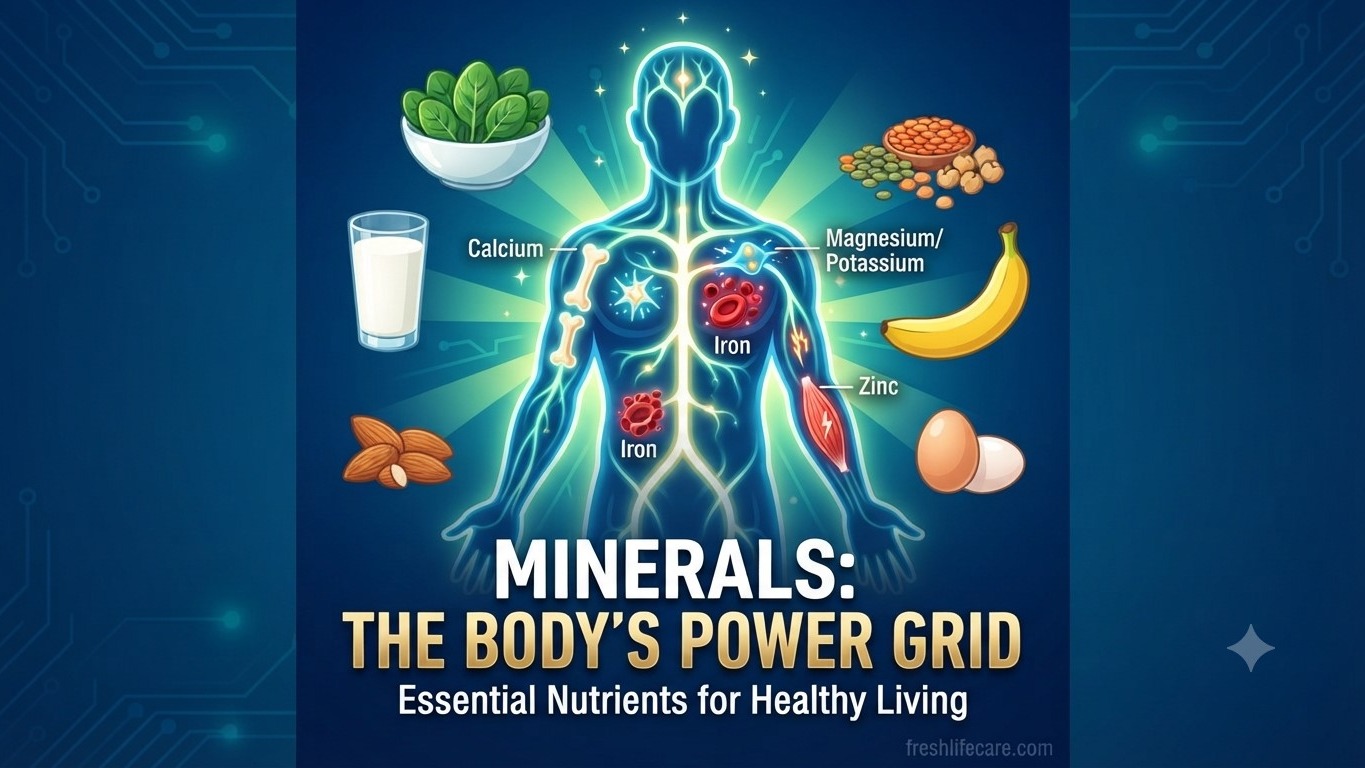
Minerals: you can't see them, but without them, your body's whole power grid goes dark.
Discover why your body needs essential minerals like calcium, iron, and magnesium. Learn top food sources and simple tips to meet your daily intake naturally.
Read More