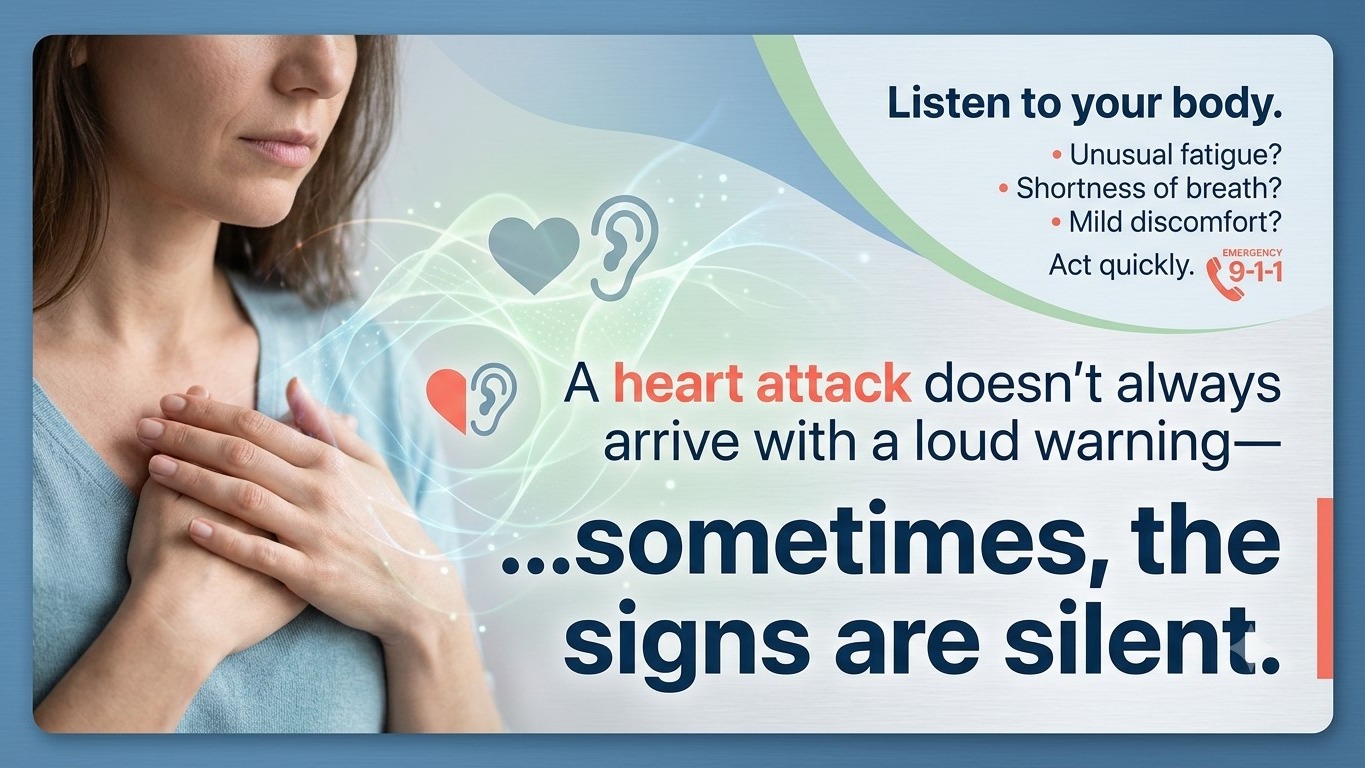
A heart attack doesn't always arrive with a loud warning—sometimes, the signs are silent. Listen to your body.
When most of us picture a heart attack, we imagine crushing chest pain and a dramatic collapse. But some heart attacks are quiet. They cause mild symptoms, or none that seem serious, and people carry on with their day. These are called silent heart attacks, and they can still damage the heart.
What Is a Silent Heart Attack?
A silent heart attack, also called a silent myocardial infarction, happens when blood flow to part of the heart is blocked, just like in a typical heart attack. The difference is that the symptoms are mild, unusual, or easy to mistake for something else, so the person may not realize what happened. It is often discovered later, during an ECG, an echocardiogram, or other tests done for a different reason.
"Silent" does not mean harmless. The heart muscle can still be damaged, and having one raises the risk of another heart attack, heart failure, and other complications.
Signs People Often Ignore
Unusual tiredness: Feeling extremely or unusually tired without an obvious reason can sometimes be a warning sign.
Shortness of breath: Breathlessness, especially when it is unusual for you, can occur with or without chest discomfort.
Mild chest discomfort: A heart attack does not always feel like severe chest pain. It may feel like pressure, tightness, fullness, or mild discomfort.
Indigestion or heartburn-like discomfort: Some people mistake heart-related symptoms for acidity, indigestion, or heartburn.
Pain in the upper body: Discomfort can occur in the arm, shoulder, back, neck, jaw, or upper abdomen.
Nausea or vomiting: Nausea, an upset stomach, or vomiting can sometimes accompany a heart attack.
Dizziness or lightheadedness: Feeling suddenly dizzy, faint, or unusually lightheaded should not be dismissed, especially when accompanied by other symptoms.
Cold sweating: Breaking out in an unexplained cold sweat can be another warning sign.
Why Is It Called “Silent”?
“Silent” doesn't mean harmless. Some people have symptoms so mild that they don't recognize them as heart-related. A previous silent heart attack may later be discovered through tests such as an ECG, echocardiogram, or cardiac MRI.
Many people say, "I thought it was gas," "I was just tired," or "I must have pulled a muscle." That is exactly why these episodes get missed.
Who Is at Higher Risk?
Anyone can have a silent heart attack, but the risk is higher in people who have:
Diabetes, which can dull pain signals
High blood pressure or high cholesterol
A history of smoking
A family history of heart disease
Excess weight or an inactive lifestyle
Older
What to Do If You Suspect One
If symptoms are sudden, severe, or getting worse, call your local emergency number immediately. Do not drive yourself to the hospital.
If you had unexplained symptoms in the past, see a doctor. An ECG or other tests can show whether the heart was affected.
Follow your doctor's advice on medicines and follow-up care. Don't start or stop any medication on your own.
Final Thoughts
Your body often whispers before it shouts. A silent heart attack is a reminder to take small warning signs seriously, especially if you have risk factors. When something feels wrong, get it checked. It is better to hear "it's nothing" than to miss something that matters.
Related Articles
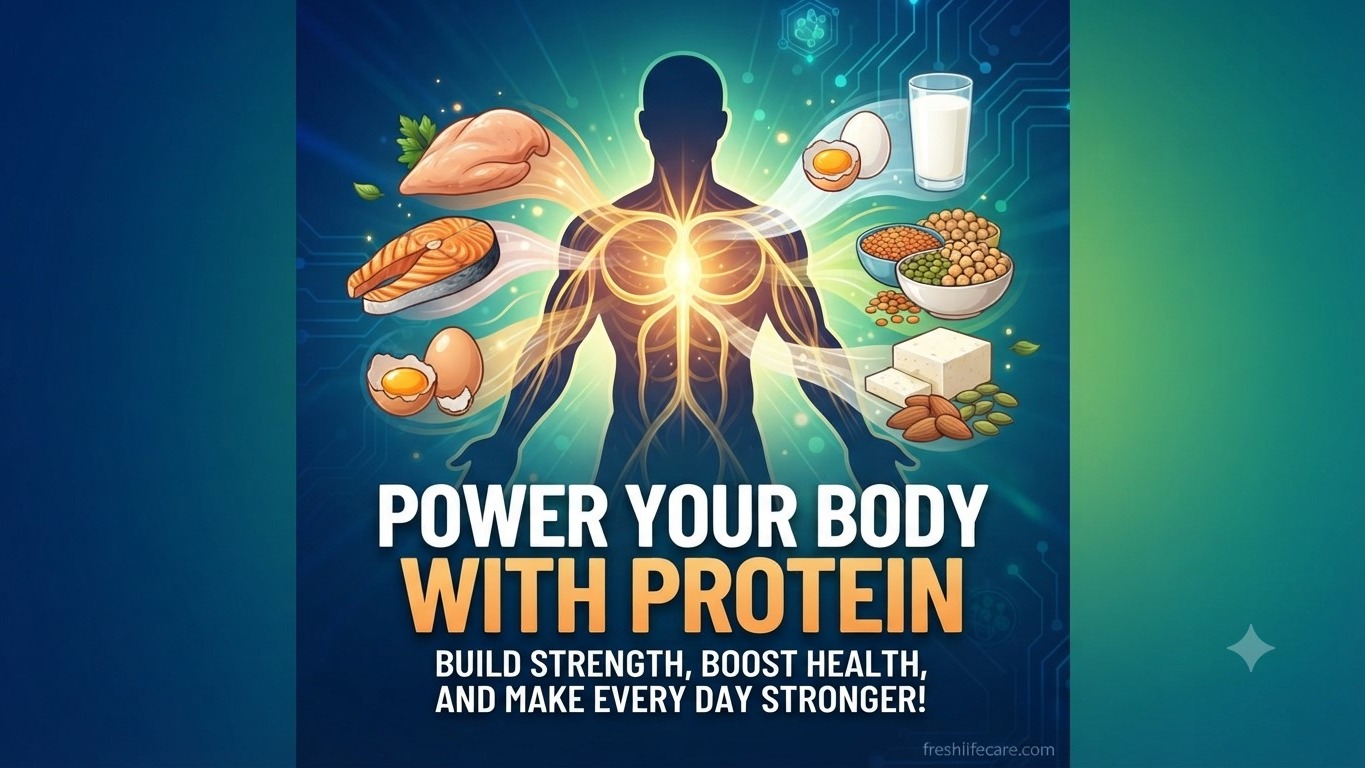
Power your body with protein—build strength, boost health, and make every day stronger!
Discover why protein is essential for muscle repair, immunity, and strength. Learn the best food sources, daily intake guidelines, and how to fuel your body naturally.
Read More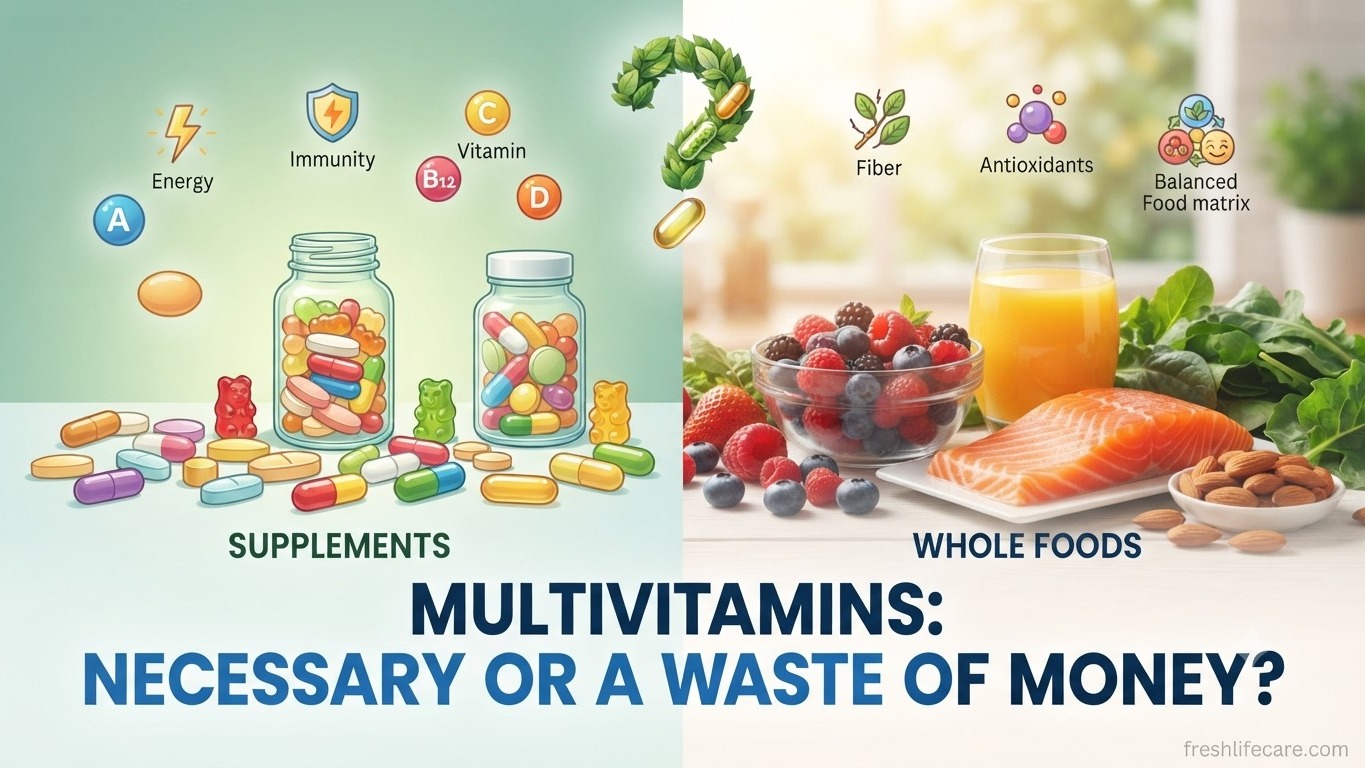
Multivitamins: Necessary or a Waste of Money?
Discover whether multivitamins are truly essential or an avoidable expense. Learn the benefits, risks, and how to choose the right path for your health.
Read More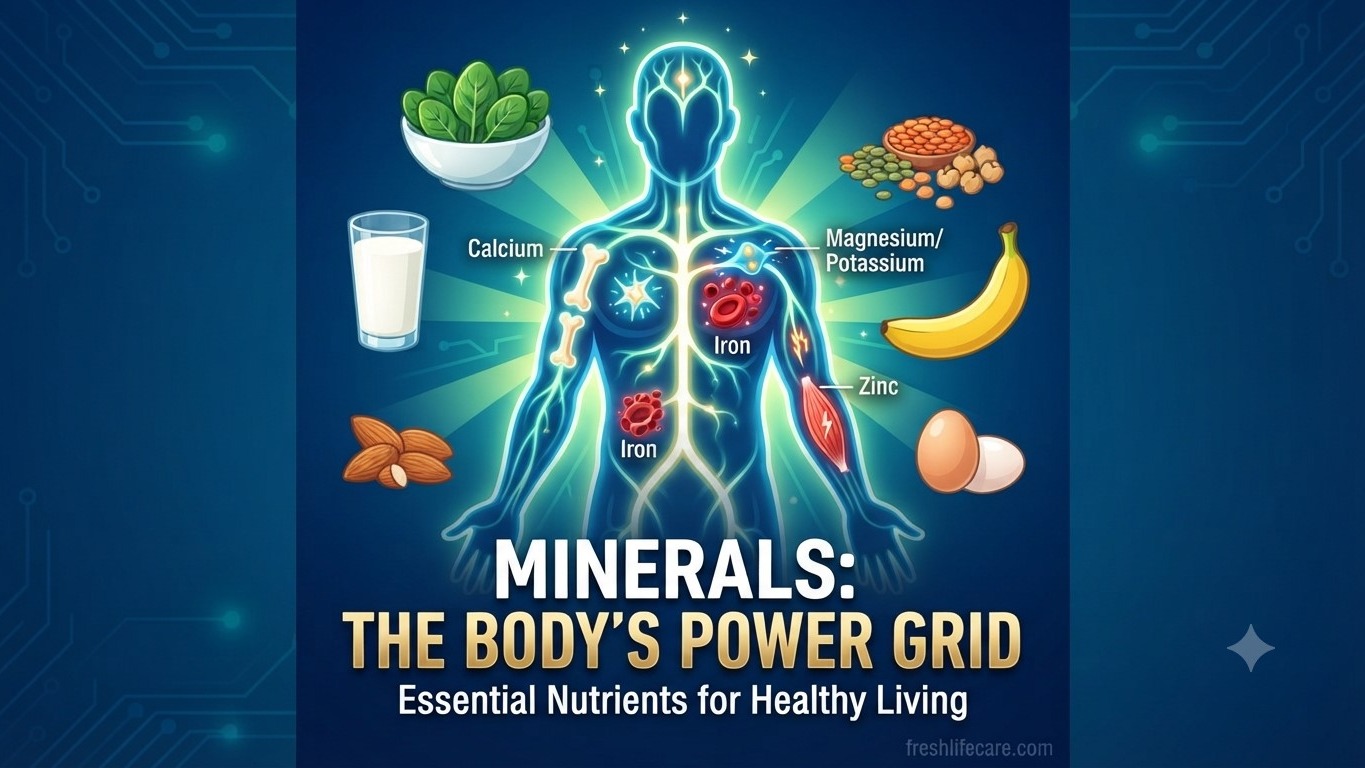
Minerals: you can't see them, but without them, your body's whole power grid goes dark.
Discover why your body needs essential minerals like calcium, iron, and magnesium. Learn top food sources and simple tips to meet your daily intake naturally.
Read More