

RBI Hikes Repo Rate to 5.5% - What Changes?
The Reserve Bank of India has raised the repo rate after a long gap, reversing the direction of India's recent interest-rate cycle. For households, this could mean costlier loans and potentially better deposit rates. For investors, the bigger question is whether this is a one-off move or the beginning of a longer period of tighter monetary policy.
What Did the RBI Decide in the October MPC Meeting?
The Monetary Policy Committee unanimously increased the repo rate by 25 basis points from 5.25% to 5.50%. This is the RBI's first rate hike since February 2023. The Standing Deposit Facility rate has moved to 5.25%, while the Marginal Standing Facility rate and Bank Rate now stand at 5.75%.
But the rate increase was not the only important announcement.
The MPC also shifted its policy stance from "neutral" to "calibrated tightening" by a 4-2 majority. RBI Governor Sanjay Malhotra indicated that a near-term rate cut is no longer under consideration, meaning the next policy decision is more likely to be either another hike or a pause.
The RBI also raised its FY27 GDP growth forecast from 6.7% to 7.1%, while increasing its inflation projection from 5.0% to 5.2%.
That combination is important. RBI is effectively saying that economic growth remains strong enough to absorb somewhat higher interest rates, but inflation risks have become significant enough to require action.
Why Did RBI Raise the Repo Rate?
The repo rate is the interest rate at which the RBI lends short-term money to banks. When it increases, borrowing becomes more expensive across the financial system over time.
The obvious question is: why raise rates now? The main problem is that India's inflation outlook has become less comfortable.
Higher crude oil prices are one concern. India imports most of the crude oil it consumes, so sustained increases in oil prices can raise transportation, manufacturing and logistics costs across the economy.
Food inflation is another risk. Weather-related disruptions and weaker agricultural output can push food prices higher, while geopolitical tensions can make energy and commodity prices more unpredictable.
At the same time, India's economy has held up better than previously expected. RBI's decision to increase its FY27 growth forecast to 7.1% suggests that policymakers see enough underlying strength in demand and economic activity to tighten monetary policy without expecting a major growth shock.
That is why this policy decision is unusual in an important way. RBI has become more worried about inflation even as it has become more confident about growth.
Why "Calibrated Tightening" May Matter More Than the 25-bps Hike
A 25-basis-point increase by itself is relatively small. For markets, the more important signal may be the change in policy stance.
When RBI was neutral, both rate cuts and hikes remained possible depending on economic conditions. A shift towards calibrated tightening tells markets that the RBI is now more focused on preventing inflation from becoming entrenched.
Governor Malhotra's indication that the next move could be a hike or a pause, rather than a cut, reinforces that message.
This changes how investors should think about the rate cycle.
The earlier debate was largely about how quickly borrowing costs might fall. The new debate is whether rates have already bottomed and how much further they may need to rise.
That distinction matters across home loans, deposits, bonds, bank profitability and valuations of rate-sensitive stocks.
We will be publishing a detailed article on this topic soon
Related Articles

SBI Dark Web Data Leak: Incident Overview, Exposed Data, and Security Measures
Is your State Bank of India account at risk? Find out what records were leaked on the dark web and essential security guidelines to protect your money.
Read More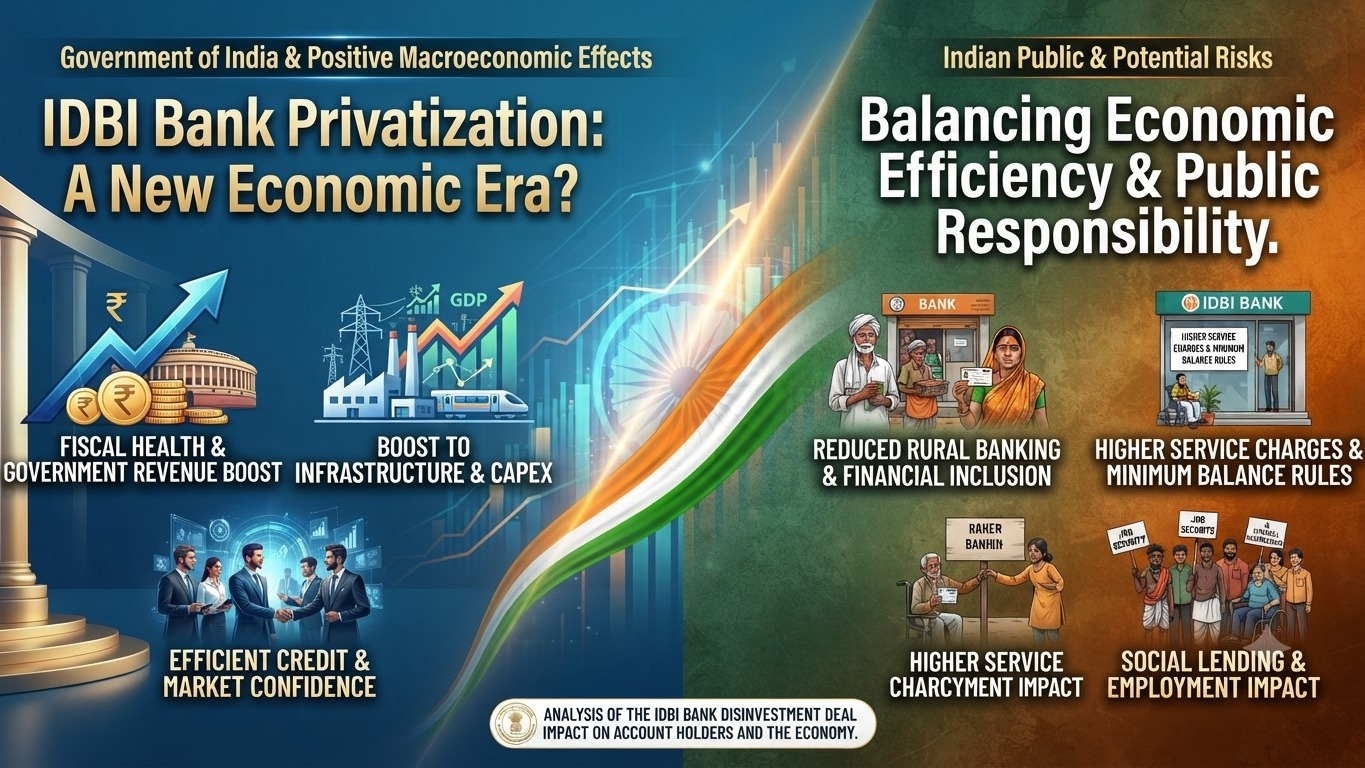
Privatization of IDBI Bank: Impact on Account Holders & the Indian Economy
Is your money safe in IDBI Bank? Discover the pros, cons, and expert opinions on the government selling its stake in IDBI Bank and what it means for India.
Read More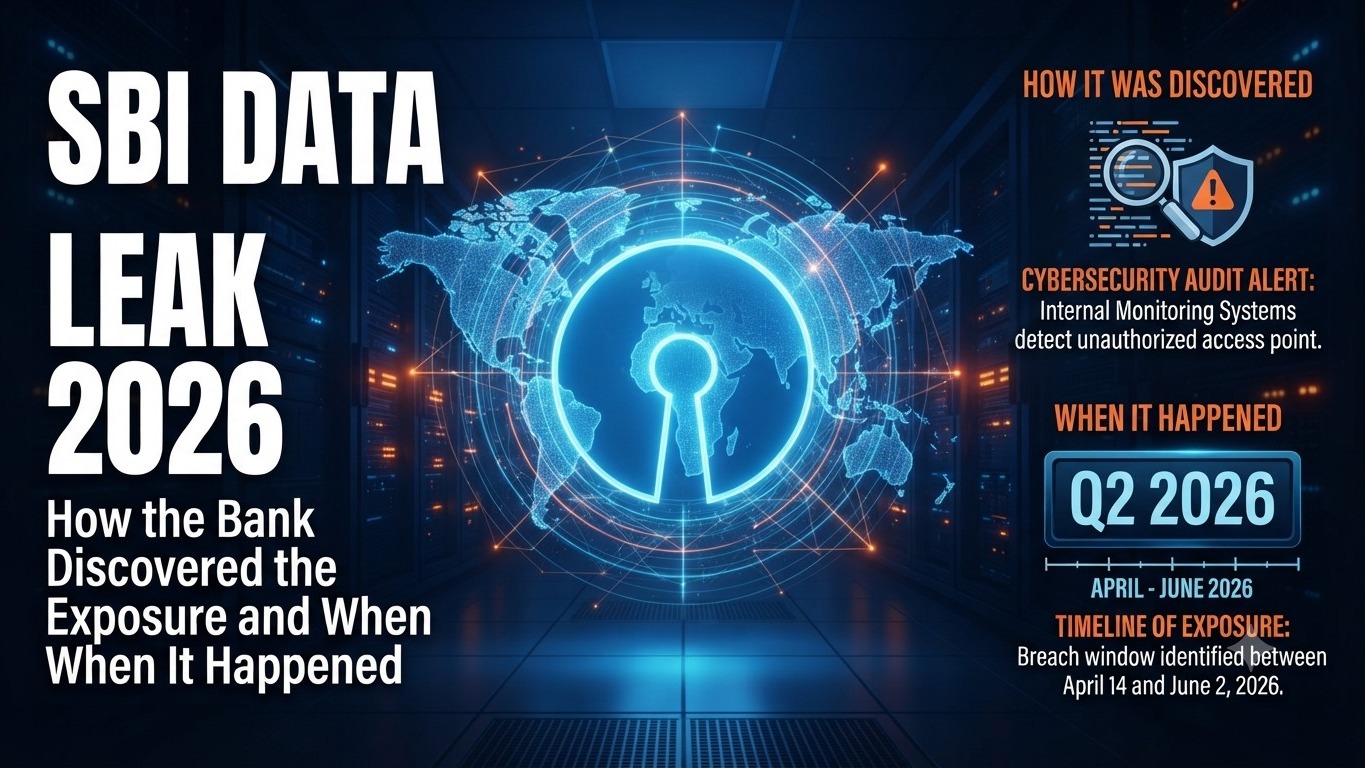
Is Your SBI Account Safe? What You Need to Know About the Recent Data Exposure
SBI reported a suspected data leak involving 3,897 customer records. Discover when the bank was alerted, how the exposure was detected and what customers should know.
Read More