
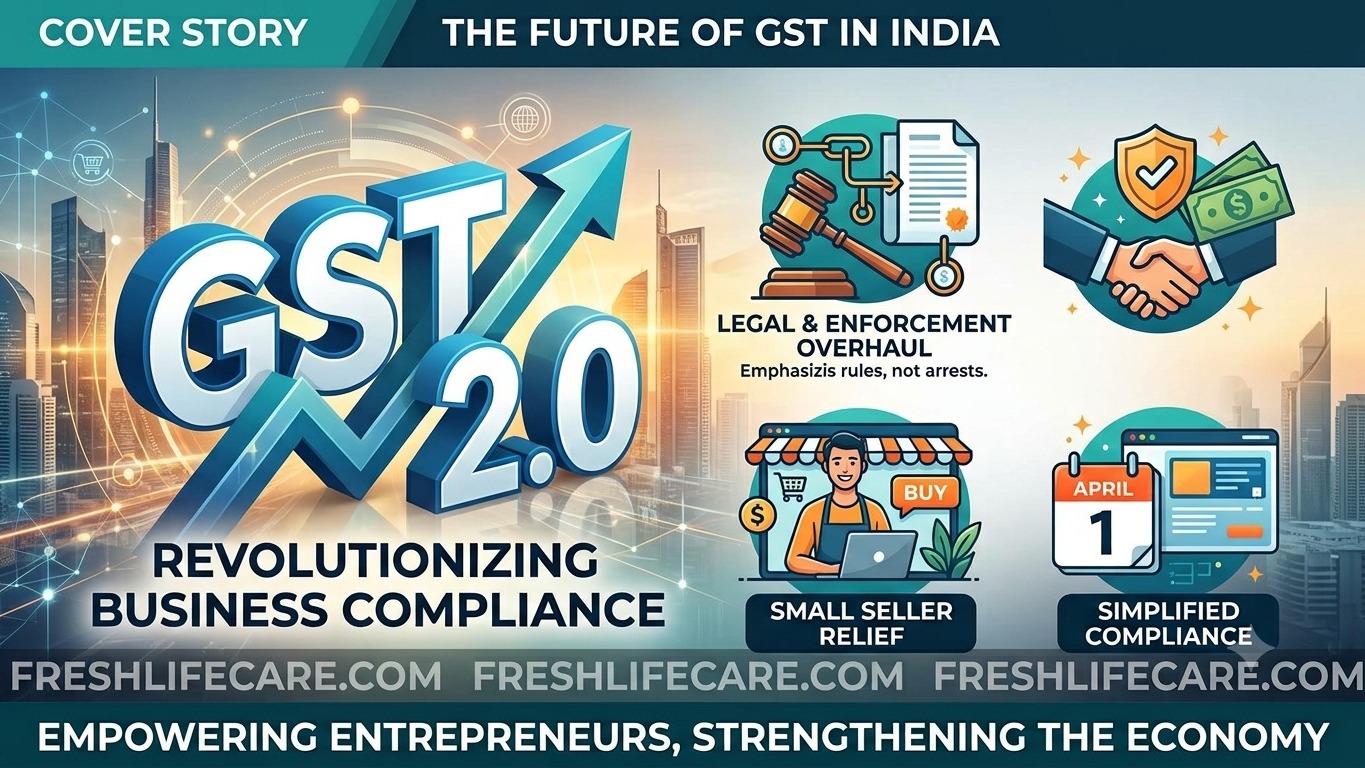
GST 2.0: Major Administrative Reforms, Relief for Small Businesses, and Overhaul of Legal Provisions
Under the chairmanship of Union Finance Minister Nirmala Sitharaman, this meeting focused on "GST 2.0" or administrative reforms, ease of doing business, relief for small traders, and simplification of rules, rather than merely changing tax rates.
1. Legal & Enforcement Overhaul
To restrict unnecessary powers of tax officials and protect businesses from undue administrative complexities, ground-breaking decisions were taken:
Scrapping Arrest Powers: It has been recommended to completely revoke the special powers of GST officers to directly arrest taxpayers. The main objective is to stop harassment by tax officials and build trust between taxpayers and the government.
New Prosecution Threshold: Previously, the minimum threshold for filing criminal cases against a taxpayer for GST evasion was ₹1 crore. This has been raised 5 times to ₹5 crore. That means for discrepancies or evasion below ₹5 crore, direct criminal cases or charges will not be framed.
New Rules for Penalties and Show-Cause Notices:
Reduction in General Penalty: For general errors, the maximum penalty has been reduced from ₹25,000 to ₹10,000.
Show-Cause Notice: To stop issuing notices for minor financial issues, no Show-Cause Notice can be issued for any discrepancy below ₹10,000.
2. Input Tax Credit (ITC) & Fast Refunds
To maintain working capital and cash flow for businesses, several benefits have been announced:
Refund in 3 Days for Exporters: Through a risk-based automated verification system, 80% of eligible refund amounts will be deposited directly into the taxpayer's bank account within 3 working days.
Inverted Duty Reform: In cases where GST rates on inputs/input services are higher than on finished products, previously only refunds on raw materials were available. From now on, refunds will also be available for Input Services.
ITC Protection for Honest Traders: In many cases, if a seller failed to deposit tax, the buyer's Input Tax Credit (ITC) was cancelled. From now on, if a buyer holds a valid invoice, has made proper payment, and received the goods or services, their credit will not be directly cancelled due to the seller's negligence. A special officer committee has been formed for this purpose.
3. Relief for E-commerce & Small Sellers
Hub as Place of Business (Multiple Places of Business): To reduce the burden on small traders selling on e-commerce platforms who previously needed separate GST registrations and physical offices in multiple locations, e-commerce hubs will now be allowed to serve as their Registered Place of Business. This will benefit around 9.5 lakh small sellers.
Reduction in Rider Service GST: GST on food and goods delivery services operated via unregistered delivery riders has been reduced from 18% to 5%.
4. Future Policy & Policy Timeline (GST 2.0 Vision)
Annual GST Rate Change: Instead of frequent rate changes throughout the year, all tax rate changes or adjustments will be made only once a year following a fixed annual calendar starting April 1.
Faceless CGST Administration: A new framework is being created for completely technology-driven, transparent, faceless assessments and hearings without physical interaction.
Effective Date: These administrative and structural rules will officially come into full effect from April 1, 2027.
Related Articles
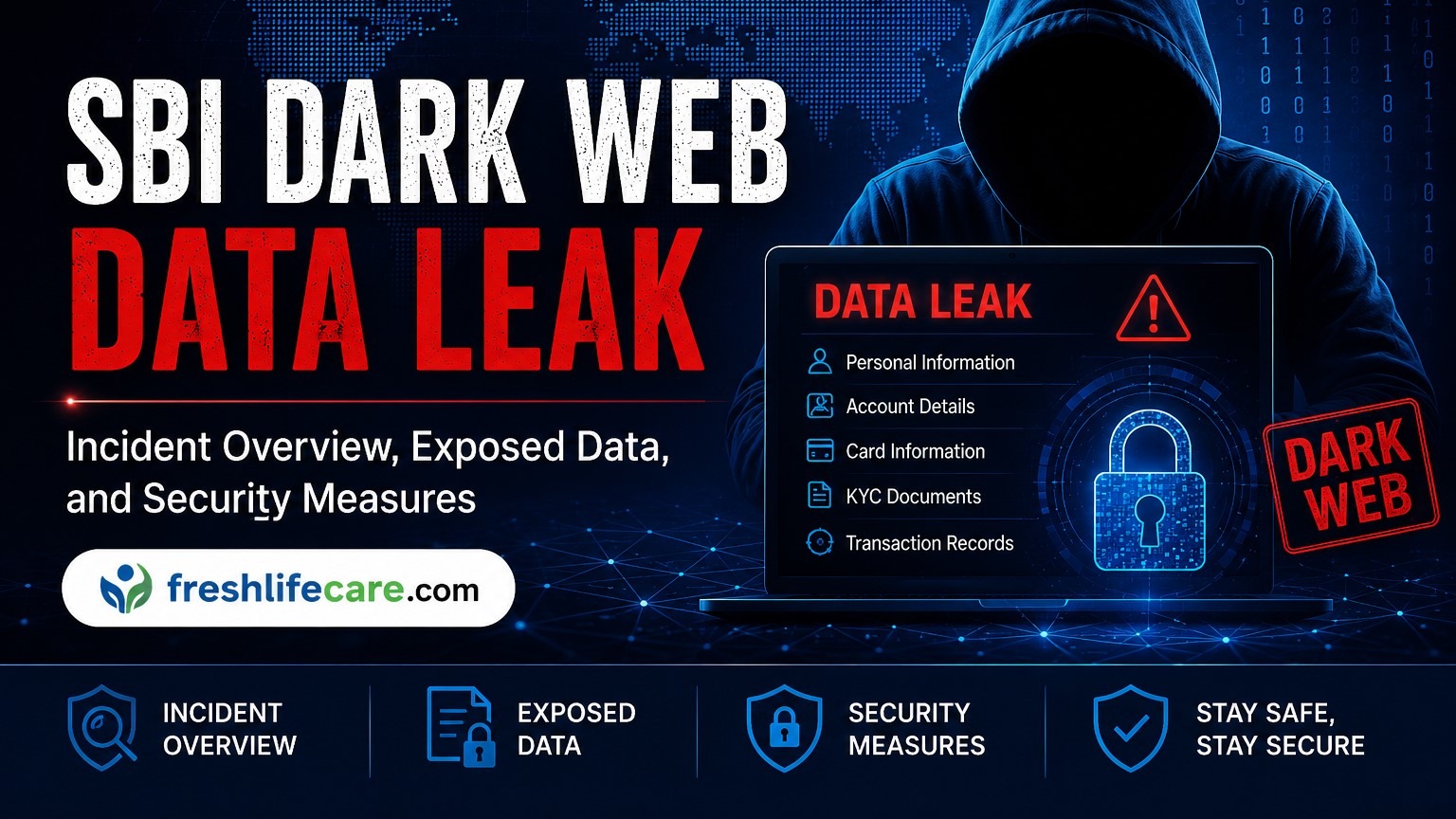
SBI Dark Web Data Leak: Incident Overview, Exposed Data, and Security Measures
Is your State Bank of India account at risk? Find out what records were leaked on the dark web and essential security guidelines to protect your money.
Read More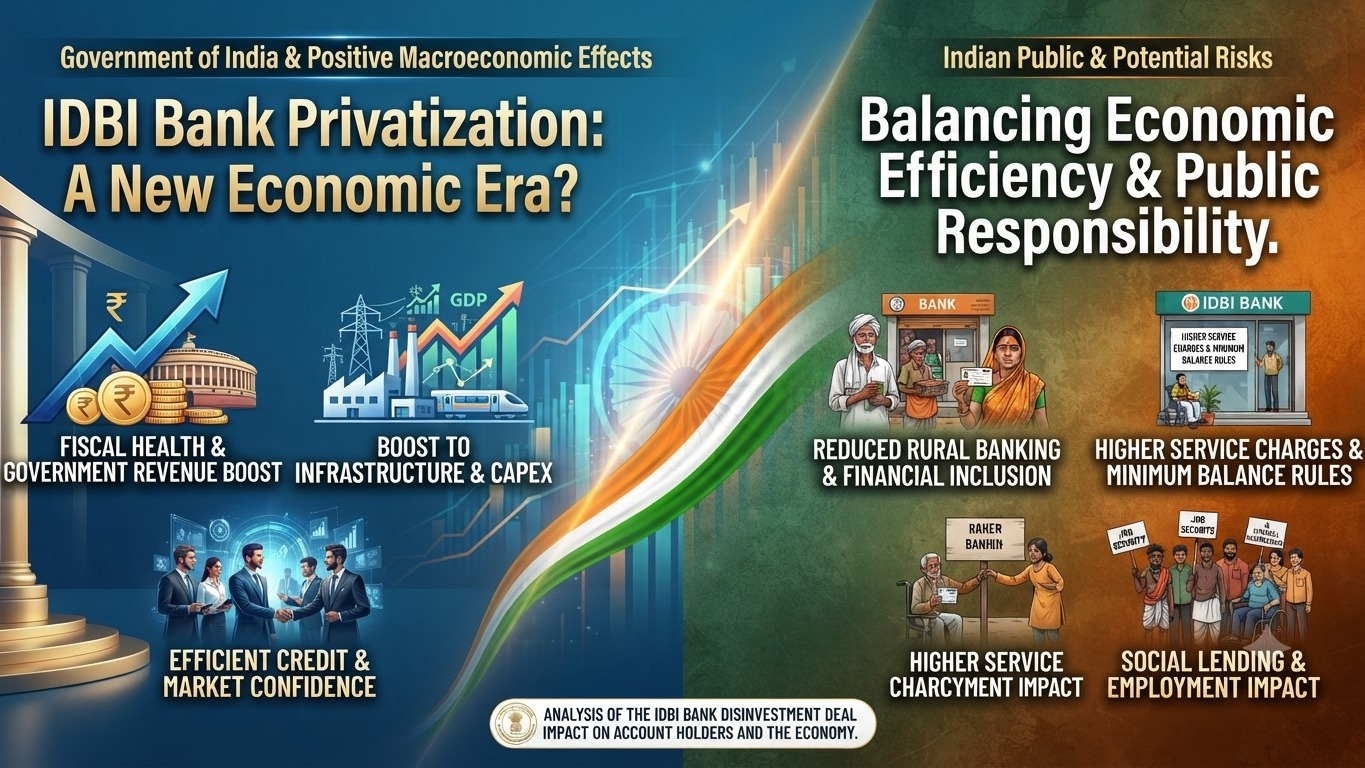
Privatization of IDBI Bank: Impact on Account Holders & the Indian Economy
Is your money safe in IDBI Bank? Discover the pros, cons, and expert opinions on the government selling its stake in IDBI Bank and what it means for India.
Read More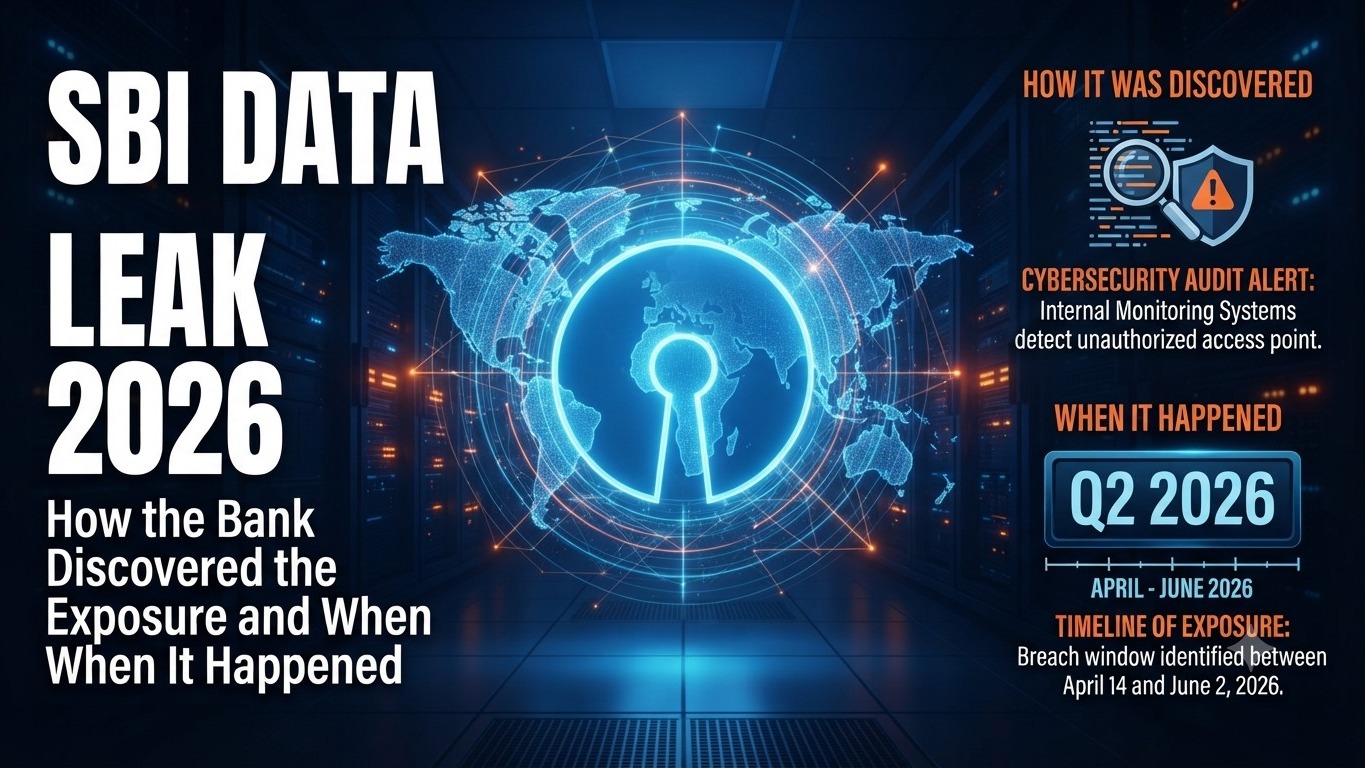
Is Your SBI Account Safe? What You Need to Know About the Recent Data Exposure
SBI reported a suspected data leak involving 3,897 customer records. Discover when the bank was alerted, how the exposure was detected and what customers should know.
Read More